Improve consistency
Apply lids with a controlled method that can be checked against torque, cap height, vacuum or leak criteria.

Automatic and semi-automatic options for screw, twist-off and vacuum closures — selected around your jars, lids and target output.
The best machine is the one that solves the problem on your line — whether that is operator fatigue, inconsistent tightness, slow changeovers or unreliable lid feeding.
Apply lids with a controlled method that can be checked against torque, cap height, vacuum or leak criteria.
Balance capping speed with cap presentation, jar stability, changeovers and the real pace of the surrounding line.
Remove repetitive tightening work and add automatic feeding when manual lid placement becomes the constraint.
Compare the main options, then let your real jar, lid and quality requirement decide the final configuration.
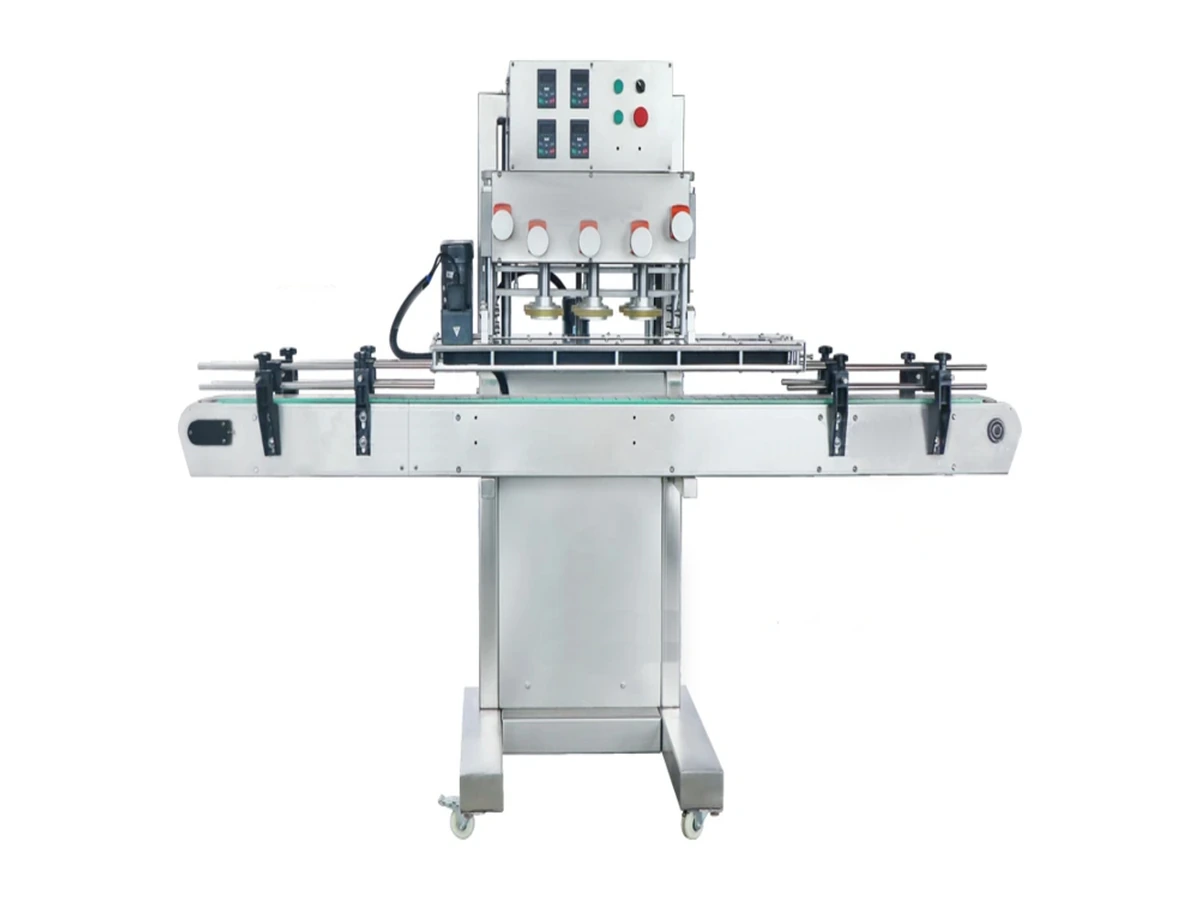
A compact screw-capping route for smaller batches where an operator places the lid and the machine provides controlled bottle support and repeatable tightening.
A compact inline screw capper for jar projects that need conveyorised handling and repeatable tightening without the footprint of a larger high-speed spindle system.
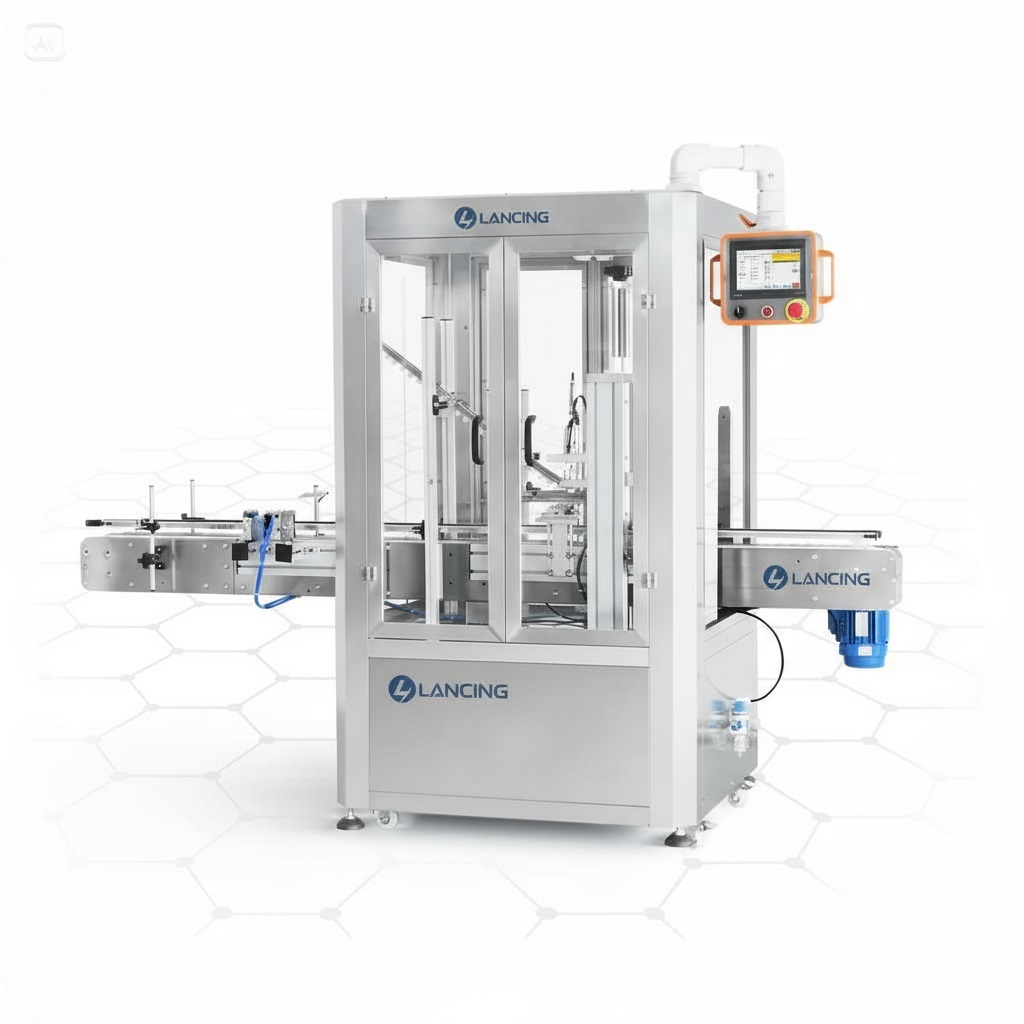
An inline screw-capping platform for jars and containers using threaded closures, with adjustable bottle handling and controlled cap tightening for repeatable production.
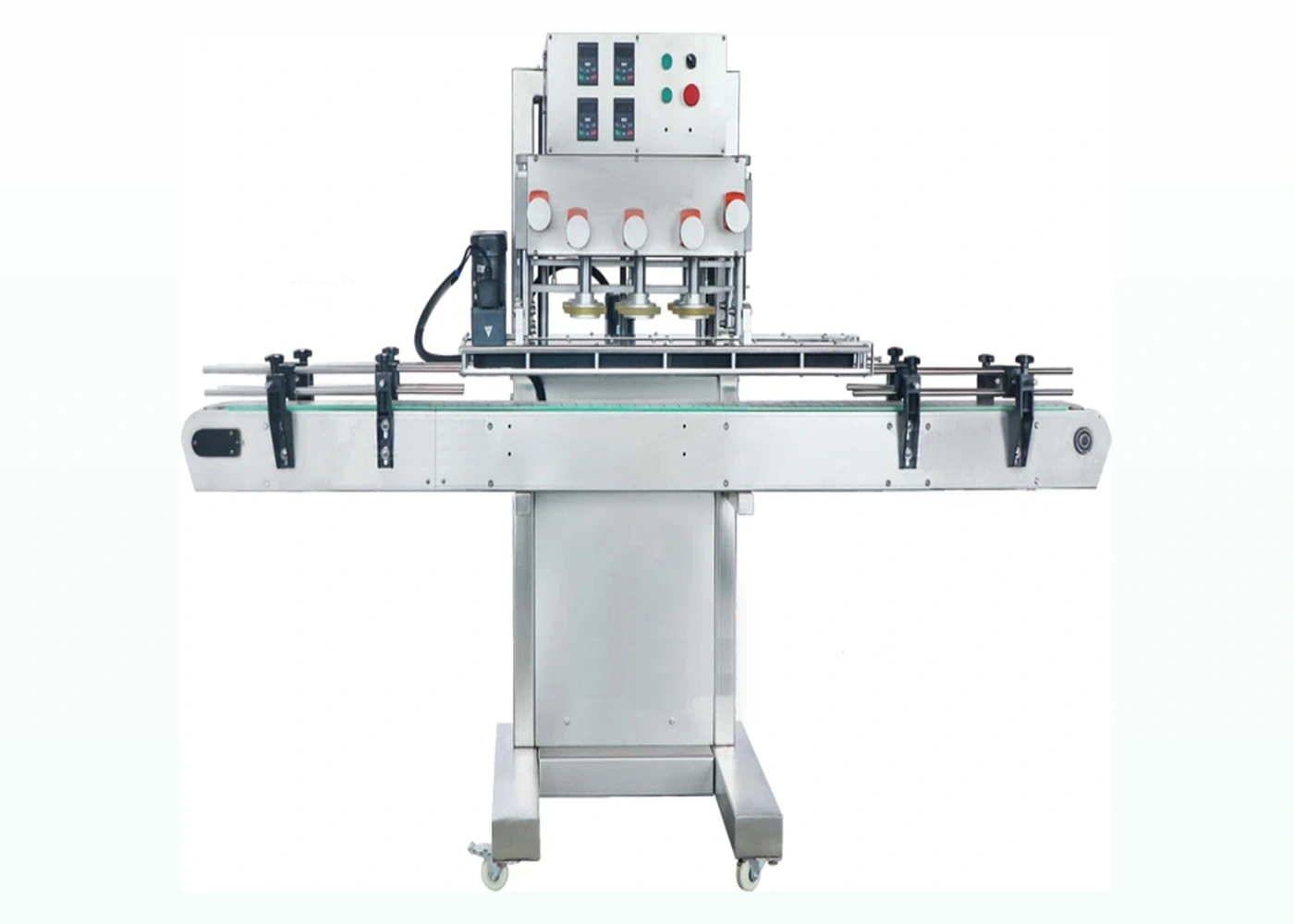
A continuous belt-and-spindle capping route for threaded jar lids where side-belt control, multiple tightening stages and higher line output are priorities.
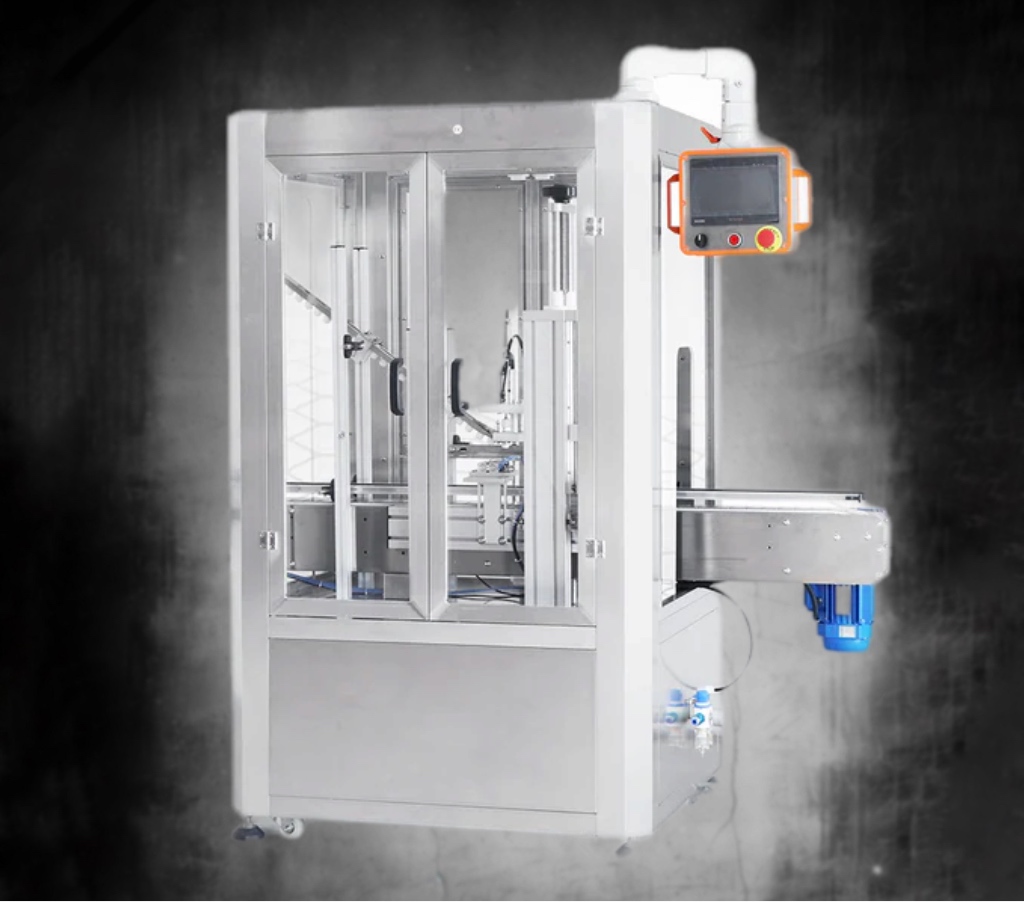
An automatic feeding and capping route for metal twist-off closures commonly used on glass jars, specified around lid presentation, downward force, closure engagement and finished seal requirements.
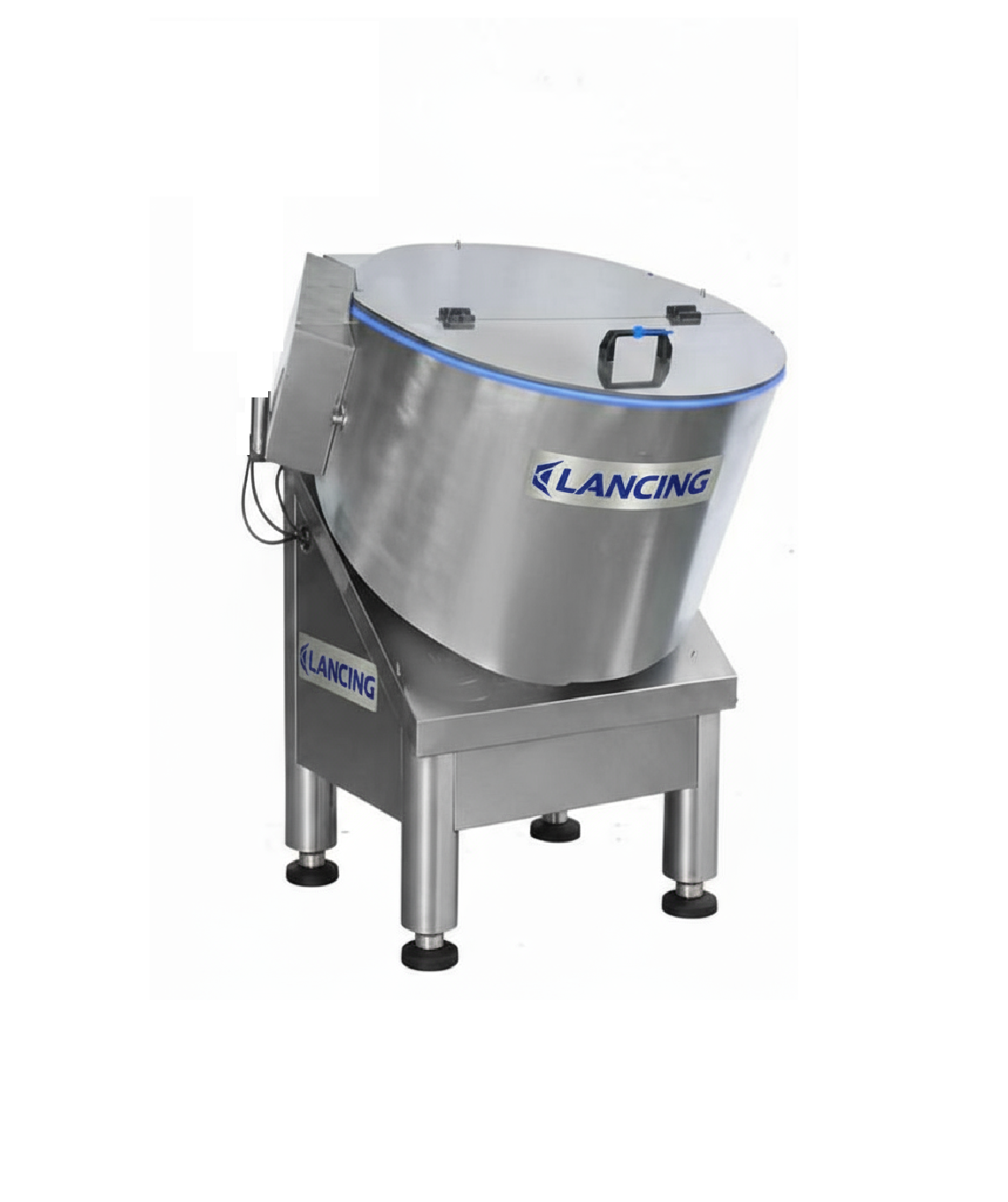
A screw-capping system with a vibratory bowl feeder for projects where loose lids can be sorted, oriented, delivered and applied automatically before tightening.
Plastic or metal closures that tighten along a continuous thread, using chuck, inline or spindle capping methods.
Screw-lid routesLugged metal lids used on many glass food jars, where lid engagement, liner compression and process vacuum matter.
Twist-off routesClosing routes where headspace, product temperature, steam or mechanical evacuation are part of seal formation.
Vacuum guidanceBowls, elevators, chutes and placement systems selected around lid geometry, finish, nesting and required line speed.
Feeding systems
Review metal twist-off lids, glass handling, fill temperature, residue at the finish and finished vacuum checks.
Explore this option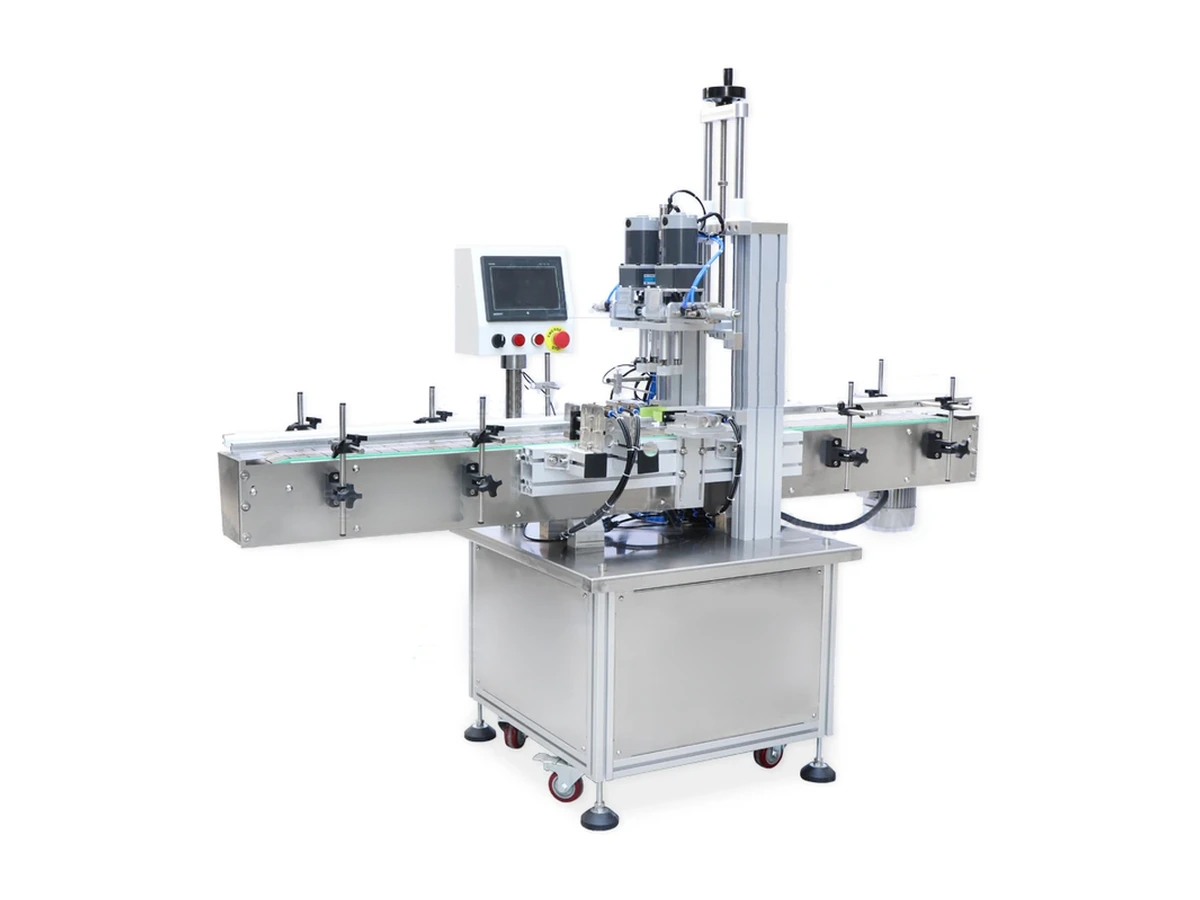
Plan lid application around hot-fill conditions, headspace control, lug engagement and the cooling profile.
Explore this option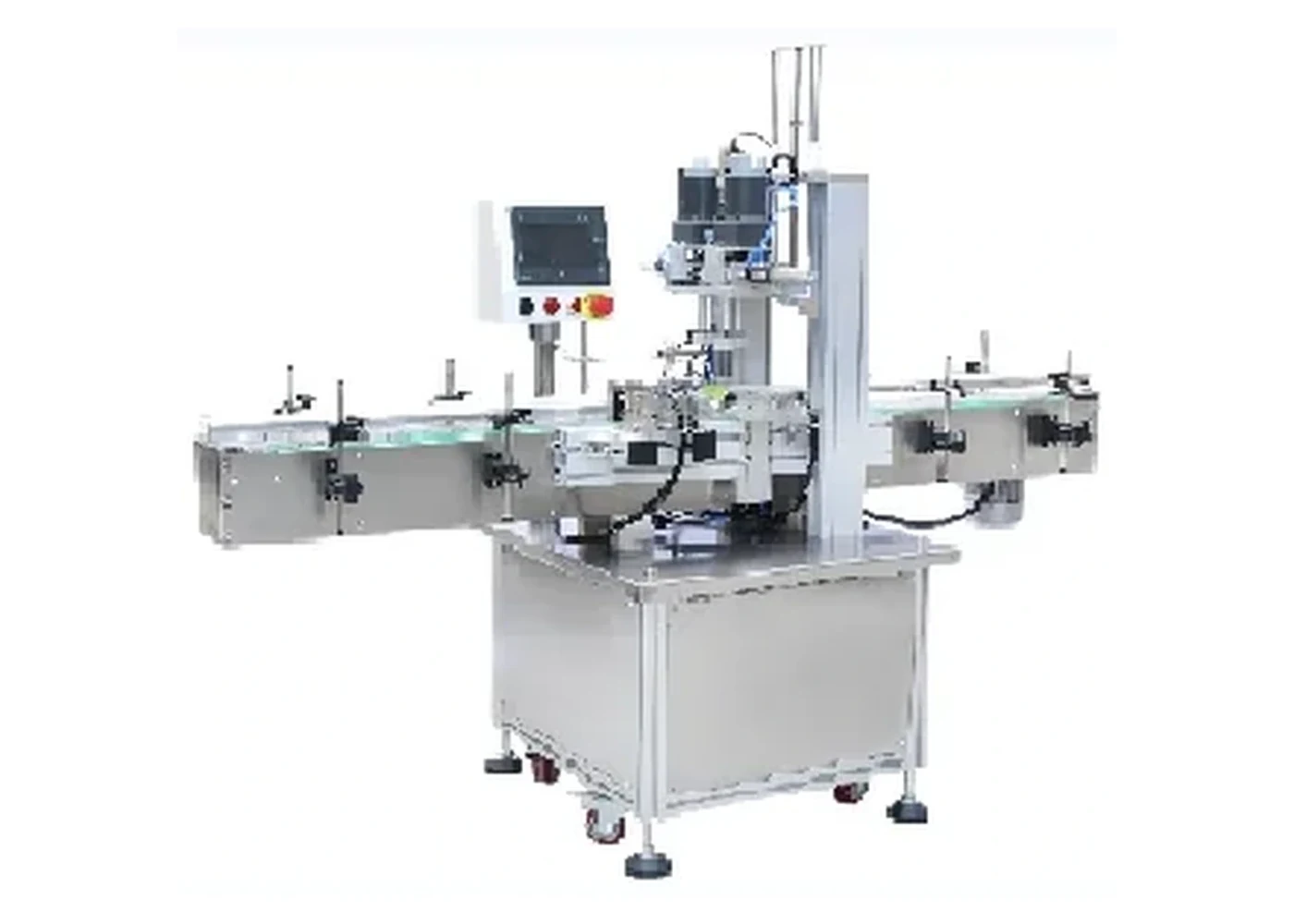
Control wide screw lids without scuffing decorative finishes, distorting plastic jars or over-compressing liners.
Explore this optionLancing has specialised in semi-automatic and fully automatic packaging machinery for more than 40 years, supporting projects from individual capping cells to integrated lines.
Lancing Ltd
Unit 5A Jefferson Way
Thame, Oxfordshire
OX9 3SZ
01494 623015
sales@lancinguk.com
Send production jars, closures, output target and line details for the most useful first review.
The machine depends on the closure. Threaded lids may use chuck or spindle screw cappers; metal twist-off lids often need a dedicated twist-off or vacuum-cap route.
A machine may cover an approved range with change parts and saved settings. Wide lids, different skirt depths and mixed closure families still need sample testing.
Samples are strongly recommended. They allow the supplier to check grip, thread engagement, cap feeding, torque, liner compression and jar stability.
Yes. A project can include conveyors, filling, cap feeding, capping, labelling, coding and accumulation when the full production flow is reviewed together.
A useful recommendation starts with the packed jar and the result you need from the closure. Record the pack condition, the acceptance method and the production duty before comparing machine speed.
Include samples from normal production batches, not only ideal components. Identify jar material, neck finish, lid construction, liner, lug or thread pattern, filled weight and any surface that must remain mark-free.
Threaded lids may need application and removal-torque checks. Twist-off packs may also need cap-height, lug-engagement, vacuum, button-state, leak and visual checks at a stated point in the cooling or conditioning process.
Agree the trial duration, cap replenishment method, operator tasks, normal minor stops, reject categories and changeover scope. This creates evidence that can be compared with the surrounding filler, conveyor and labeller.
A jar can look correctly capped while still failing the requirement that matters to production or the consumer. The trial plan should therefore state what is measured, when it is measured, how the instrument or fixture is used and what happens to a marginal pack.
Plan a jar-capping sample trial · Build a closure-integrity check
The same jar can need a different machine route depending on whether the present constraint is hand tightening, lid presentation, line speed, finished seal performance or frequent format change. Use the table to reach the most relevant technical page before requesting a sample review.
| Current production constraint | Route to review | Evidence to provide |
|---|---|---|
| Hand tightening is slow or inconsistent | Semi-automatic jar capping | Normal jars and lids, operator cycle, target output and the agreed torque or seal check. |
| Threaded lids must be tightened on an inline conveyor | Automatic jar capping | Jar spacing, line height, lid placement method, sustained rate and upstream/downstream signals. |
| Metal lug lids form part of a food-jar sealing process | Twist-off jar capping | Jar finish, lid and liner, fill condition, headspace, cooling process and finished-pack checks. |
| The process must achieve and verify vacuum | Vacuum jar capping routes | The approved vacuum method, measurement timing, button-state criteria, leak method and retained samples. |
| Loose lids must be sorted and presented automatically | Jar lid feeding systems | A representative bulk quantity, all lid variants, surface-finish limits and refill/changeover requirements. |
| Many customer formats must share one production area | Contract-packing jar cappers | The complete format matrix, batch pattern, cleaning needs, change parts and setup records. |
A useful trial does not treat “the lid went on” as the only result. First confirm that closures can be supplied and presented without unacceptable jams or marks. Then confirm that the jar is stabilised and the lid is engaged without cross-threading, damaged lugs or distorted components. Finally, test the finished pack using the customer-approved torque, vacuum, leak, cap-height, button or visual method.
Separating these stages makes failures easier to diagnose and prevents a feeder adjustment from being confused with a closure-integrity problem. It also helps define which settings, change parts and inspections must be recorded for production.
Build a sample-trial acceptance plan · Define closure-integrity checks
Once the likely closure route is clear, the strongest enquiry defines the commercial scope, site, acceptance evidence and operating responsibilities. These guides help production, engineering, quality and procurement teams prepare the same project basis.
Compare hand-assisted, semi-automatic and automatic routes by operator role, lid presentation, sustained output and quality control.
Separate the core capper from feeding, tooling, conveyors, controls, trials, installation and support.
Build a measurable requirement, make the site ready and agree FAT, SAT and commissioning evidence before delivery.
These answers separate the closing mechanism from the complete production process, so a buyer can describe the real requirement before comparing machines.
A jar capping machine controls the presentation, engagement and tightening or closing action applied to a compatible jar and lid.
It does not by itself prove product safety, liner compatibility, shelf life or the complete seal system. Those outcomes also depend on the jar finish, closure, product condition, headspace, process and the agreed inspection method. Treat the capper as one controlled stage within the finished-pack process.
Closing applies the lid; proving the seal checks whether the finished pack meets the customer’s defined acceptance criteria.
For a threaded closure this may include visual seating, application or removal-torque records and leak checks. For a twist-off or vacuum pack it may include lug engagement, button condition, vacuum measurement and checks after cooling. The evidence and test timing must be defined for the actual product and closure.
Yes. A line can convey and tighten jars automatically while an operator places each lid before the capping head.
This arrangement can suit moderate output, frequent format changes or closures that are difficult to orient in bulk. The operator’s sustainable loading rate, reach, refill activity and the buffer before the capper become part of the line-capacity calculation.
The sustained output is normally limited by the slowest repeatable part of the complete process, not by the fastest isolated capping cycle.
Possible constraints include jar arrival, lid loading, cap orientation, spacing, product contamination, container stability, inspection, reject handling, downstream accumulation and operator replenishment. A useful trial records good accepted packs over an agreed run rather than quoting only a headline speed.
Include representative jars and lids, the product and fill condition, the required good-pack output, the intended lid-loading method and the checks used to accept a finished jar.
Send your jar and lid detailsA capper can apply a lid repeatedly and still leave unanswered questions about missing caps, high or cocked lids, reject confirmation and short stops. Put those checks into the project brief so the machine, inspection method and production evidence are assessed together.
Cap presence, cap height, alignment, button state, torque, vacuum and leakage answer different questions. Select the check that relates to the actual closure risk and state when it must be performed.
Define the reject device, confirmation sensor, full-bin response, manual bypass rules and the treatment of jars produced after an inspection fault. A detection signal alone does not prove that a failed jar left the good-product stream.
Separate cap-feeder stops, jar starvation, capper faults, downstream blockage, planned changeover and quality loss. This shows whether automation, maintenance or a process correction will remove the real constraint.
Send the current reject types, accepted-pack checks, stop records and the format that causes the most difficulty alongside representative jars and lids.
Discuss the capping problemSelecting “a jar capper” is only the first decision. Screw closures may be tightened by a chuck or continuous spindle route, while some foil-lined packs need a separate induction-sealing stage after capping.
Compare how the cap is contacted, how the jar moves, how lids are placed and what change parts are needed. The best route depends on the complete format matrix and accepted-output target.
Compare chuck and spindle cappersA compatible foil-lined screw cap is applied first, then the jar passes through an induction-sealing process. Treat cap application, sealing and inspection as one line specification.
Review capping and induction sealingInclude the jar, closure, liner, product condition, target accepted output and the tests used to release finished packs. This avoids choosing machinery around a cap diameter alone.
Send your jar and lid detailsSend your jar, lid, product and target output. Lancing will help you identify a practical machine route and the samples needed for confirmation.