
How does a jar capping machine work?
A jar capping machine presents a compatible lid to a controlled jar, engages the closure correctly, applies the required closing action and releases the pack for inspection or the next line stage.
Use representative evidence. The closing head is only one part of the sequence; feeding, spacing, stabilisation and verification must work together.
The jar-capping sequence from infeed to accepted pack.
The exact mechanics vary, but a complete capping cycle normally controls the jar, presents the lid, engages it, applies the closing action and confirms that the pack can continue.
- Present the jar: the conveyor or operator brings a stable container to the closing zone.
- Present the lid: an operator, chute, bowl feeder or pick-and-place device positions the correct closure.
- Control the jar: guides, belts, pockets or clamps prevent tipping and unwanted rotation.
- Engage and close: a chuck, spindle wheels, twist-off mechanism or vacuum process applies the required action.
- Release and verify: the machine transfers the jar to inspection, rejection or the next process.
| Function | Typical evidence | Common project variable |
|---|---|---|
| Lid presentation | Correct orientation and placement at the required time | Manual placement, pre-placed lid or bulk feeding |
| Jar control | Stable, centred container without unacceptable marking | Shape, material, base and label area |
| Closing action | Correct thread or lug engagement and agreed quality result | Screw, twist-off, torque or vacuum route |
| Line release | Accepted pack continues; unconfirmed pack is controlled | Inspection and reject philosophy |
What has to happen before a lid can be tightened correctly?
The jar must arrive in a repeatable position and the correct lid must be seated or presented squarely before closing force is applied.
If the jar pitch, lid orientation or placement timing is wrong, the closing head can amplify the misalignment rather than correct it. The infeed and lid path should therefore be observed during normal running, starvation, blockage and restart.
See jar stabilisation and container handling and cap-feeding systems.
How is closing force transferred without damaging the jar or lid?
The machine combines controlled contact with a support method that resists rotation or movement without applying unacceptable stress to the pack.
Chucks, spindle wheels and twist-off mechanisms contact the closure differently. Side belts, guides, clamps or pockets support the container. Contact materials, pressure, speed and alignment must be established with production samples, especially for glass, lightweight plastic or decorative closures.
A sample trial should record cosmetic marking, deformation, breakage and opening performance as well as closure position.
How does an automatic machine know that a lid was applied?
Confirmation may come from cap-presence sensors, placement sensors, process monitoring or downstream inspection, but the method must suit the actual closure and failure mode.
A simple sensor can confirm that something passed a point without proving correct engagement or seal integrity. The project should define which faults must be detected, where they are detected, how rejects are confirmed and what the line does if inspection becomes unavailable.
Use the line-integration guide to define control and rejection boundaries.
Which parts normally change when a jar or lid format changes?
Format changes may involve guides, side supports, star wheels, chucks, spindle settings, cap tracks, chutes, sensors and saved recipes.
Not every format needs dedicated tooling, but each approved combination must fit the adjustment range and handling method. A controlled changeover record should identify parts, positions, settings, checks and the first-off sample approval needed before production resumes.
See lid feeding and capping as one connected sequence.
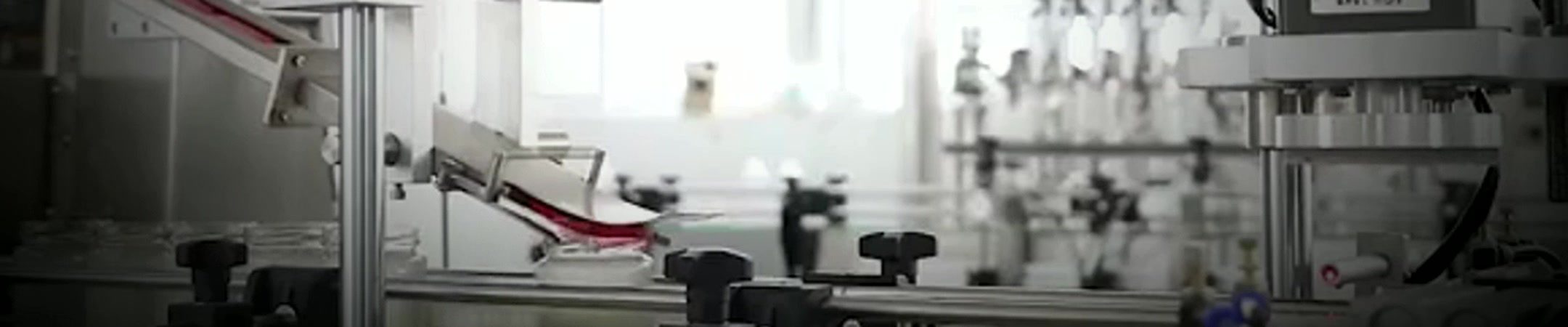
The video shows closures moving through an automatic feeding and capping process. It illustrates why the feeder, jar conveyor and closing zone must be assessed together.
Transcript summary
Jar lids are supplied through the cap-handling section while containers advance through the line. The sequence depends on reliable closure presentation, controlled jar movement and synchronised entry to the capping area.