
How to choose a jar capping machine.
Choose from the closure backwards. A correct machine route applies the real lid to the real jar, achieves the required seal and fits the sustained production flow.
Start with real samples. Your jar, lid and target output provide a more reliable recommendation than choosing by model number alone.
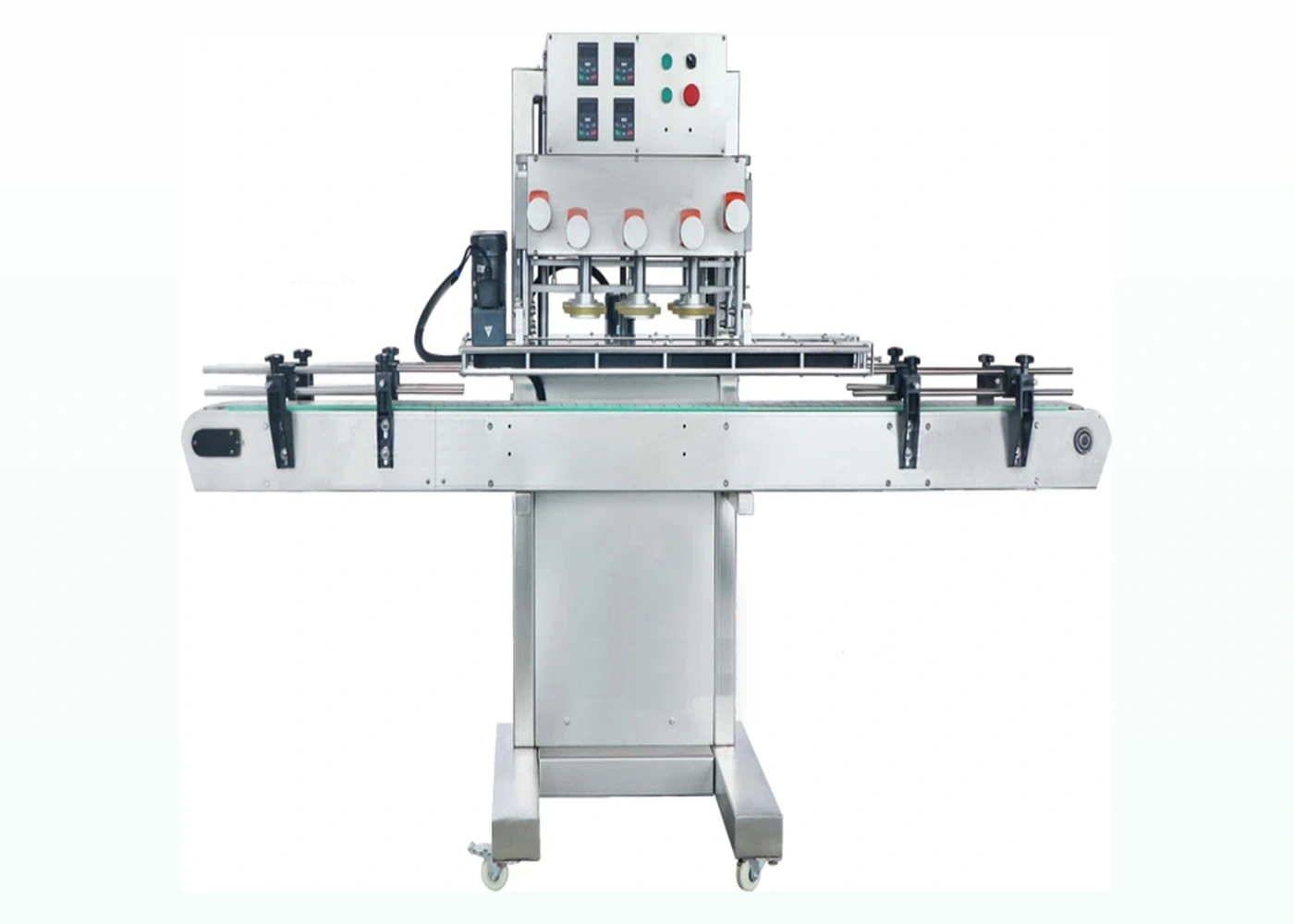
Use a closure-led machine selection method.
The following order prevents speed or price from hiding a basic compatibility problem.
Identify the closure family
Separate continuous-thread screw lids, metal lug/twist-off lids, press-on lids and other closure types. They do not use the same application method.
Map the complete jar and lid range
Record the smallest and largest dimensions, but also note skirt depth, liner, knurl, decoration, jar material, neck finish and filled weight.
Define the finished seal
Set an application torque, removal torque, vacuum, leak, cap-height or visual criterion that can be measured during trials and production.
Choose the automation level
Compare manual lid placement, automatic tightening and full cap feeding against batch size, labour, output and changeover frequency.
Review the whole line
Check filling condition, jar transfer, cap supply, inspection, labelling, coding, accumulation, guarding, utilities and access.
Trial production samples
Use representative components, agreed test methods and a documented acceptance plan before final specification.
Dimensions are necessary, but closure behaviour decides compatibility.
Two lids with the same outside diameter can differ in thread start, liner compression, grip surface, skirt stiffness, lug pattern and bulk-feeding behaviour.
- Test smooth or decorated caps for marking
- Check wide lids for leverage and chuck size
- Assess plastic jars for side-wall deformation
- Include wet or contaminated finishes where they occur in normal production
- Confirm whether lids arrive loose, stacked, trayed or pre-placed
- Agree how failed caps are detected and removed
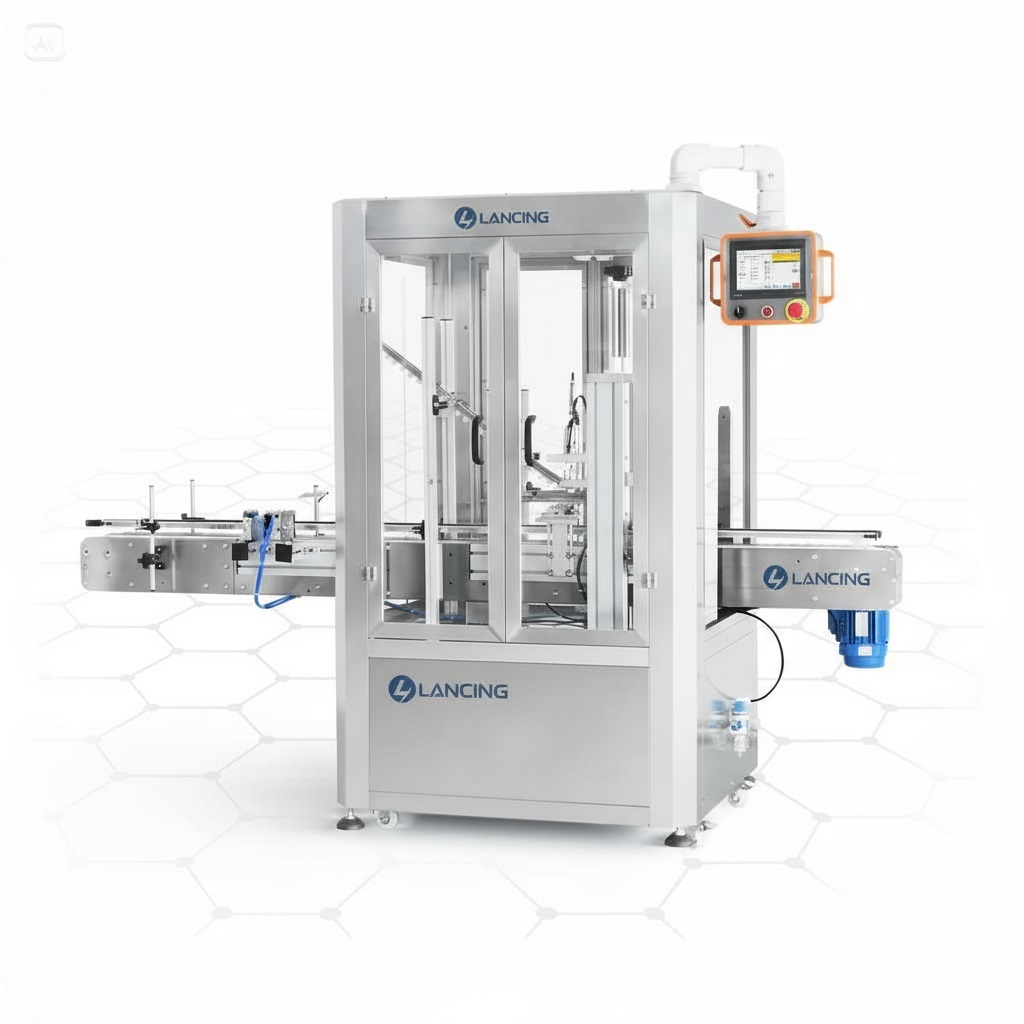
Match typical requirements to a machine family.
This table is a starting point for discussion, not a substitute for sample testing.
| Requirement | Likely route | Confirm before selection |
|---|---|---|
| Short batches, many formats | Semi-automatic chuck or controlled head | Operator cycle, tooling changes, torque range and ergonomics. |
| Medium inline threaded lids | Compact automatic or inline screw capper | Pre-placement, jar support, controls and line length. |
| Higher-output threaded lids | Belt/spindle capping system | Stable side-belt contact, cap knurl, jar spacing and progressive tightening. |
| Metal lug lids on glass jars | Dedicated twist-off/vacuum-cap route | Lug finish, liner, fill temperature, headspace and finished vacuum. |
| Bulk loose lids | Cap feeder plus placement and capping | Orientation, nesting, surface marking, buffer and changeover. |
The best machine is the one that passes the agreed pack test.
A broad catalogue range can look attractive, but the approved operating window should be written around tested jars, lids, conditions and output.
Common jar capper buying mistakes.
- Choosing from lid diameter alone
- Using maximum published speed as the planned sustained output
- Ignoring how caps will be presented to an automatic machine
- Testing only empty or hand-selected jars
- Leaving torque, vacuum or leak acceptance undefined
- Assuming existing conveyors and controls will connect without engineering review
Use the project checklist to collect the evidence needed for an accurate first proposal.
Jar capping machine selection questions.
What is the first question when choosing a jar capper?
What closure is being applied: continuous-thread screw lid, metal lug/twist-off lid or another closure family?
Should I choose by jars per minute?
Output matters after compatibility. First prove the closure can be presented, applied and verified on the actual jar.
Can a machine supplier select from photographs only?
Photographs help an initial review, but physical samples and process data are normally needed before a reliable final specification.
Resolve each technical decision before comparing suppliers.
A disciplined shortlist separates the closure method, quality requirement, handling risk and automation duty. It also prevents a broad capping page from replacing the jar-specific evidence needed for twist-off and vacuum packs.
| Gate | Decision | Evidence required | Useful next page |
|---|---|---|---|
| Closure family | Continuous thread, metal lug/twist-off, or a process that requires vacuum formation. | Production lids, jar finish, liner and supplier drawings. | Machine comparison |
| Quality result | Torque, cap height, lug engagement, vacuum, button, leak and visual criteria. | Written method, limits, timing and failed-pack disposition. | Closure integrity |
| Production mode | Operator-assisted batches, compact inline capping, spindle capping or dedicated twist-off automation. | Sustained output, batch profile, labour and changeovers. | Output guide |
| Cap presentation | Manual placement, chute, bowl, elevator or another closure-specific feed route. | Bulk cap samples, orientation, refill and buffer requirement. | Jar lid feeding |
| Trial and acceptance | Formats, duration, defects, measurement, changeover and report. | Approved sample set and signed acceptance plan. | Trial acceptance |
For bottle-only screw capping, use Screw Cappers UK; for broad cap types such as ROPP, pump and trigger closures, use Capping Machines UK. This guide remains centred on jars.
Convert the chosen route into a procurement and acceptance basis.
After choosing the capping technology, compare the appropriate automation level, review the scope factors that change a quotation, then document the result in the jar-cap machine procurement specification.
This sequence prevents the model name from becoming a substitute for the actual pack, output, controls, site work and closure-quality evidence.