Procurement requirement
Define the pack, performance, feeding, interfaces, changeover, documentation and supplier response.

Collect the jar, lid, product, capacity and line information that will make your first machinery proposal more accurate. Print the checklist or download the CSV version.
Start with real samples. Your jar, lid and target output provide a more reliable recommendation than choosing by model number alone.
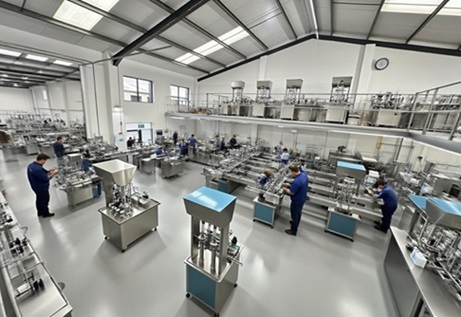
Send photographs, dimensions and a short process description immediately. Arrange production samples when the likely closure route has been identified, then agree the quantity and test conditions for a machinery trial.
No, but closure samples, jar samples, target output and a clear description of the required seal are the minimum useful starting point.
The quantity depends on the planned trial. Include enough for setup, repeated running and destructive checks, with samples from normal production batches.
Confidentiality arrangements can be discussed before detailed product information or commercially sensitive samples are shared.
The project checklist helps Lancing shortlist the route. The trial checklist records the samples, process condition, output run, defects, changeover and closure-integrity evidence used to approve the selected machine.
Define the pack, performance, feeding, interfaces, changeover, documentation and supplier response.
Confirm layout, access, utilities, connected equipment, samples and installation responsibilities.
Agree FAT/SAT samples, sustained runs, closure checks, changeover and training evidence.
Send your jar, lid, product and target output. Lancing will help you identify a practical machine route and the samples needed for confirmation.