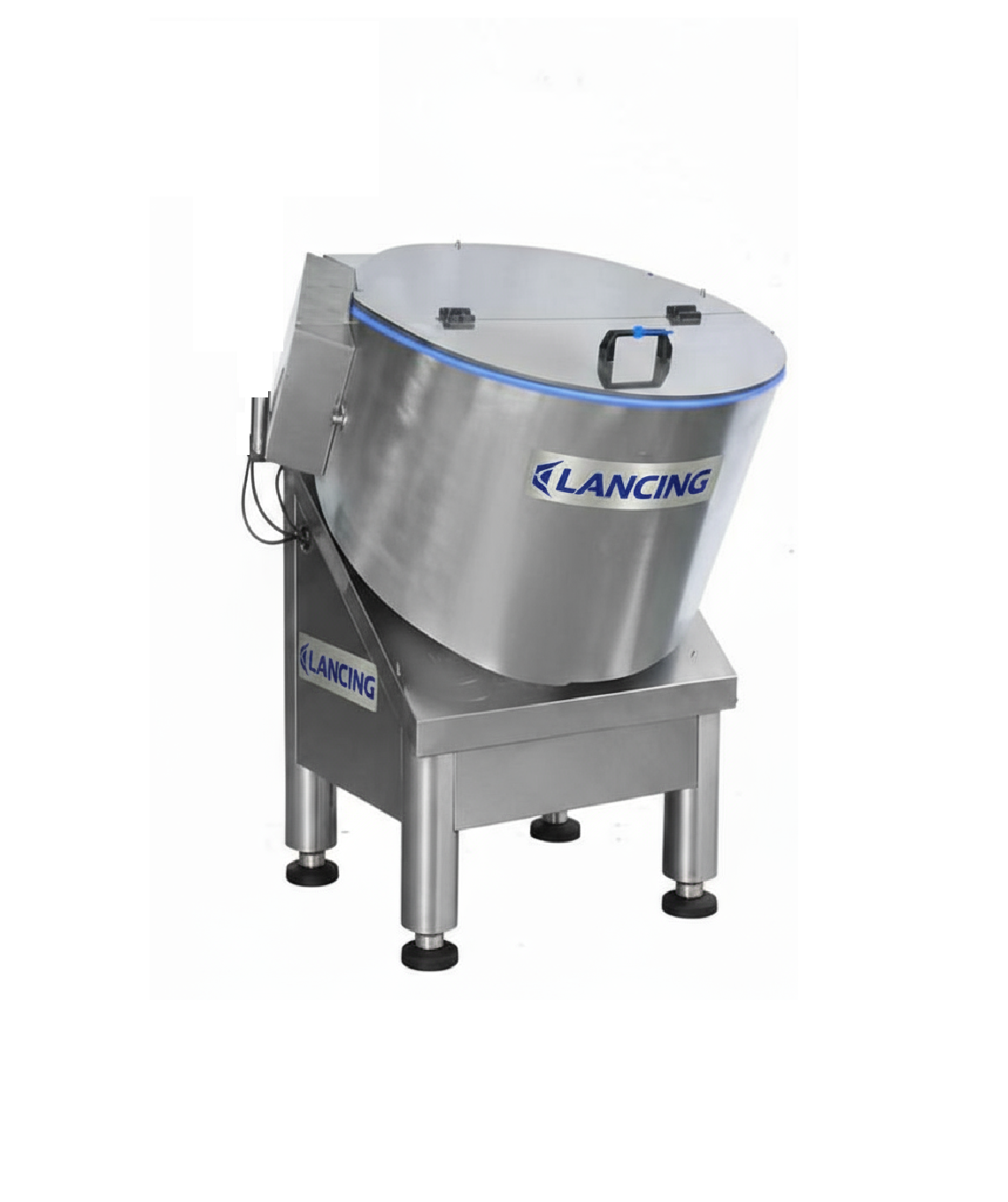
Vibratory bowl-fed jar capper
Closure-specific bowl tooling sorts and presents approved lids to the capping line.
Explore this option
A capper cannot run automatically unless closures arrive in the correct orientation, at the right spacing and without unacceptable marking. Feeding is a closure-specific engineering task.
Start with real samples. Your jar, lid and target output provide a more reliable recommendation than choosing by model number alone.
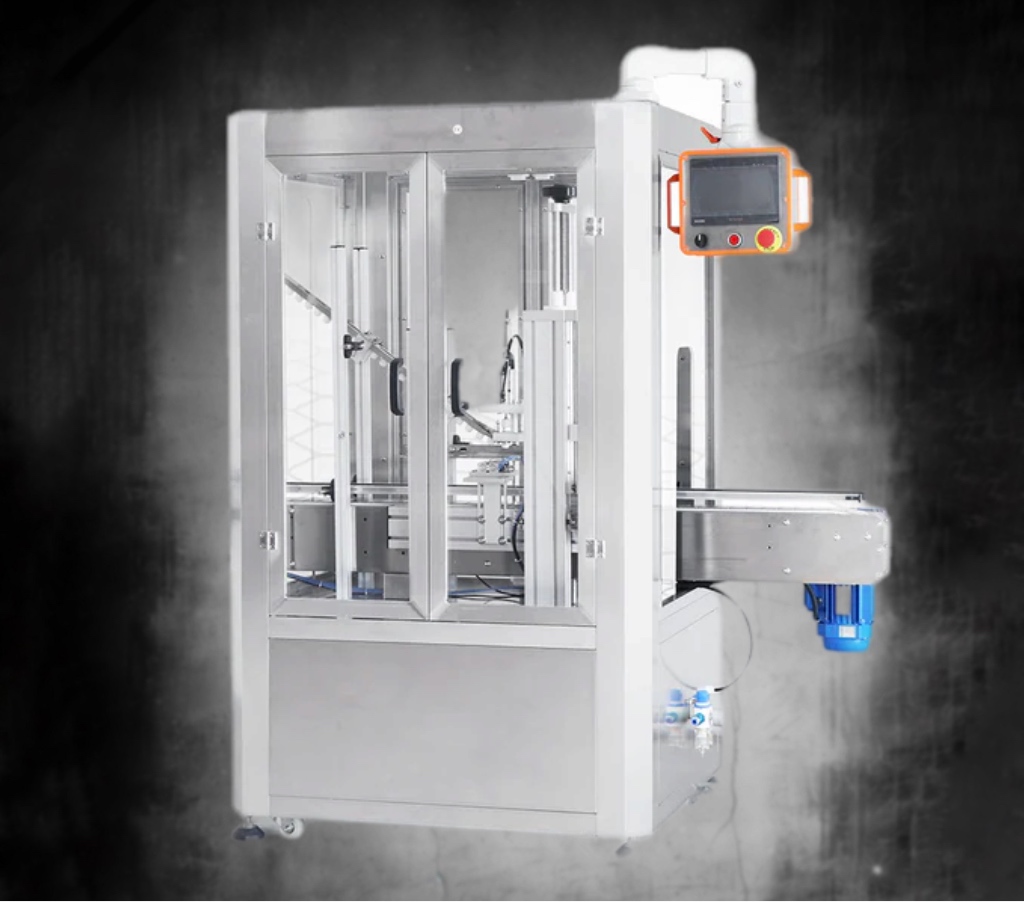
Vibratory bowls, centrifugal sorters, elevators, waterfall systems, chutes and manual placement each suit different cap geometries and production patterns.
Closure-specific bowl tooling sorts and presents approved lids to the capping line.
Explore this option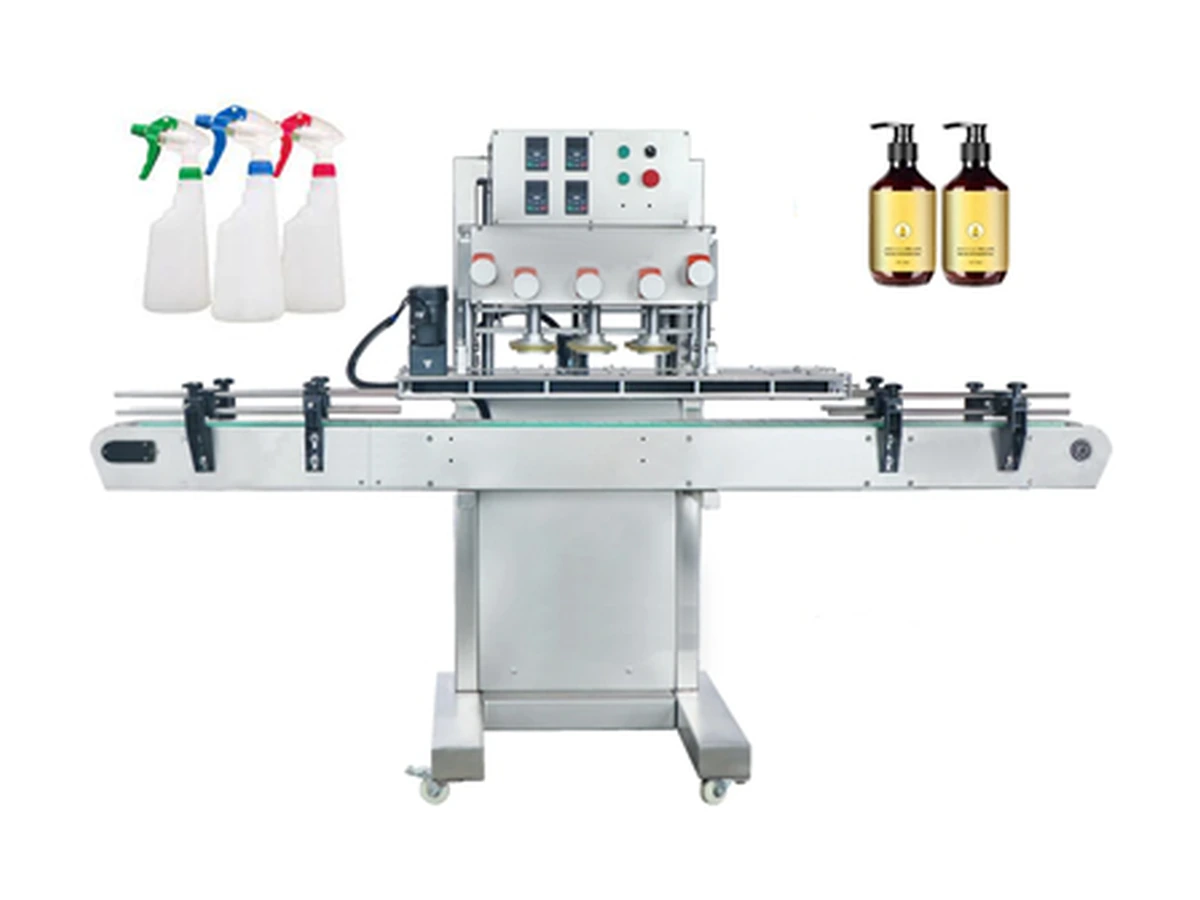
Coordinate the feeder, cap-placement point, capper, conveyor and controls as one system.
Explore this option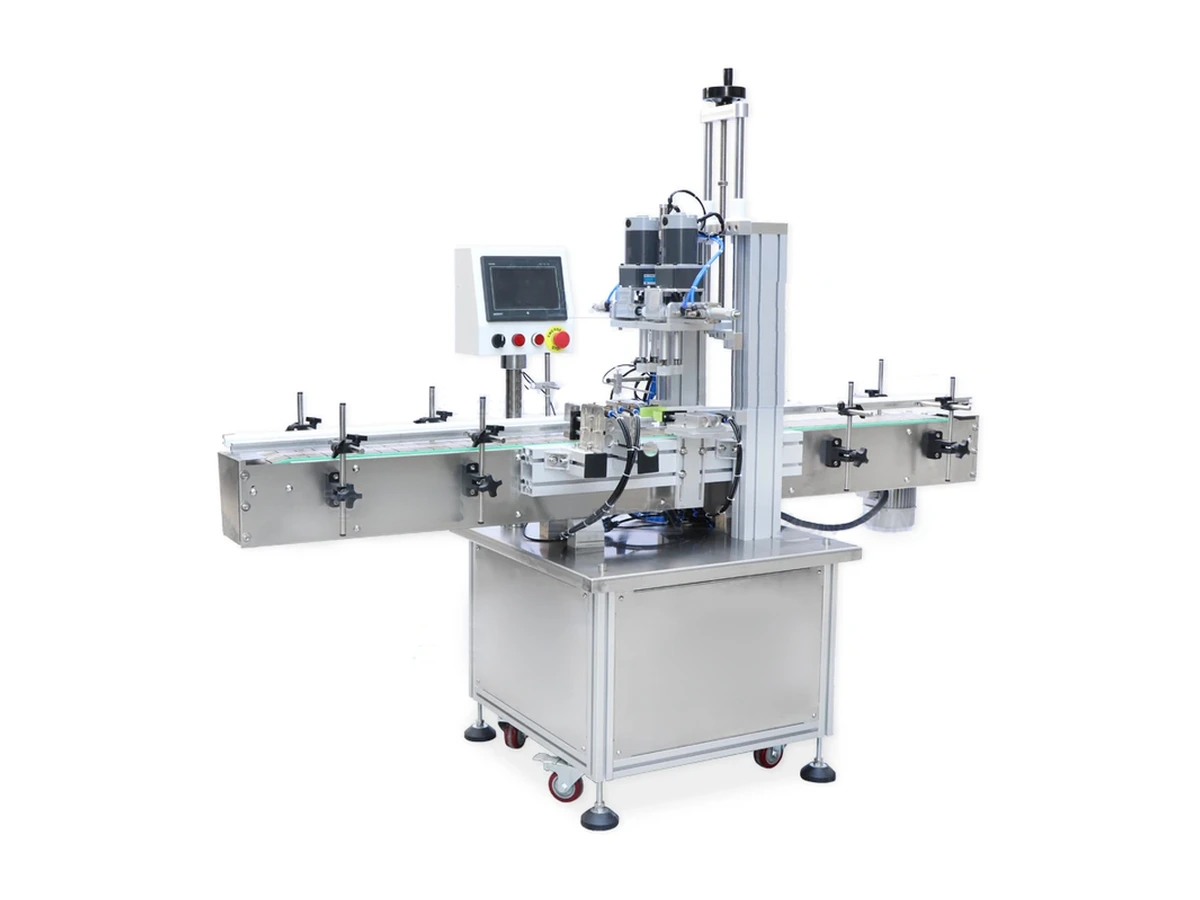
Record lid dimensions, finish, nesting, orientation features and refill expectations before feeder design.
Explore this optionClosures that nest, interlock, scratch, have uneven weight or lack a clear orientation feature can require specialised tracks, low-level handling or manual placement.
| Input | Why it matters | What to provide |
|---|---|---|
| Bulk behaviour | Caps may bridge, nest or leave the hopper in mixed orientations. | A representative quantity from normal production batches. |
| Surface finish | Metal and decorated closures can be marked by uncontrolled contact. | Acceptable cosmetic standard and difficult samples. |
| Changeover | A wide closure range can make one universal feeder impractical. | All cap drawings, volumes and change frequency. |
| Buffer capacity | The feeder must support sustained line output without constant intervention. | Target speed, refill policy and available height/footprint. |
A feeder built around a perfect sample may struggle with future supplier variation. Trials should include representative production closures and known difficult batches where possible.
Indicative dimensions and speeds are screening information, not an acceptance test.
Often, but the lid must be tested for orientation, nesting and cosmetic marking. Bowl lining and track design are closure specific.
Not universally. Elevators can offer lower loading height and bulk capacity, while the final sorting and placement method still depends on lid geometry.
Sometimes within a limited family using adjustments or change parts. Very different diameters or profiles may require dedicated tooling.
The clip shows the type of continuous cap movement that must remain coordinated with the downstream capping machine. Use it to frame trial questions about bulk loading, orientation, queue pressure, chute capacity, low-cap detection and the handover point.
A successful feeder trial should use a representative quantity from normal cap batches. It should include the most difficult approved closure, a refill event, a short downstream stop and a restart without damaging or misorienting caps.
For standalone bowl feeders, elevators, cap sorters and difficult pump or trigger closures beyond the jar-specific interface, review the dedicated Cap Feeders UK resource.
First-party Lancing machinery footage supplied with this website.
| Challenge | What to observe | Evidence |
|---|---|---|
| Bulk loading | Bridging, nesting, cap-to-cap scuffing and refill access. | Cap quantity, refill interval and approved cosmetic samples. |
| Orientation | Incorrectly oriented caps, rejects, recirculation and jam recovery. | Fault count and retained examples of every reject type. |
| Buffer and queue | Cap pressure in the track or chute during downstream pauses. | Stop duration, queue level and restart result. |
| Handover | Cap position, timing and stability at the placement or pick point. | Slow-motion video, sensor state and misplacement count. |
| Changeover | Tooling, track width, sensors, recipe and first-off approval. | Elapsed time, settings and approved sample set. |
A lid feeder can appear reliable with a small hand-selected batch but behave differently when loaded with normal production quantities, mixed component orientation and routine operator intervention. The acceptance run should reproduce the way closures will actually be stored, loaded, replenished and transferred to the capper.
| Test block | What to observe | Evidence to record |
|---|---|---|
| Representative bulk load | Orientation rate, nesting, bridging, cosmetic contact and flow into the track or elevator. | Lid batch, quantity, rejects, interruptions and retained marked components. |
| Normal operator refill | Whether replenishment disturbs orientation, creates a surge or requires the line to stop. | Refill level, operator action, buffer response and any recovery delay. |
| Low-level condition | Warning, controlled slowdown or stop before the capper misses a closure. | Sensor position, delay, line signal and first packs after recovery. |
| Stop and restart | Stable closure spacing and handover without doubles, gaps or uncontrolled release. | Stop duration, restart sequence, rejected lids and capper response. |
| Jam clearing | Safe access, retained settings and predictable restart after the fault is removed. | Fault location, clearing method, guard/interlock behaviour and recovery checks. |
| Format change | Correct parts, settings and verification for each approved closure family. | Change-part list, setup record, first-off sample and changeover duration. |
The feeder, track, chute, escapement and placement device form one handover chain. Each part should have a defined closure orientation, buffer condition and sensor response. A feeder output stated in isolation is not useful if the capper cannot accept the same spacing or if a short stop causes lids to collide, overturn or mark.
This page remains focused on jar-lid handling. For broader feeder technologies and component-feeding applications, use Lancing's specialist cap feeder website. For the complete jar line, review capping-line integration.
A feeder should be tested across the normal working level and through a production-style refill. Record orientation errors, cosmetic damage, nesting, track pressure, missed handovers and the time needed to recover from a routine jam.
Use the jar cap feeder troubleshooting guide to isolate faults by stage. Include cleaning, inspection and approved change parts in the maintenance and changeover plan, and confirm hopper access, services and guarding boundaries through the site-preparation guide.
A cap feeder must do more than move lids. It must separate, orient, queue and hand each closure to the capper without damaging it or creating an unstable backlog.
Closures are harder to feed when they nest, interlock, have little height difference between orientations, deform easily, carry decorative surfaces or vary in friction.
Skirt depth, liner protrusion, tamper features, embossing and static can also affect separation and tracking. A bulk sample is required because a handful of lids cannot reproduce the pressure, recirculation and variation of a production hopper.
A controlled buffer decouples the feeder’s intermittent orientation cycle from the capper’s need for one correctly presented lid at the right moment.
Too little buffer can starve the capper; too much uncontrolled pressure can overlap, scratch or deform lids. Sensors and stop logic should maintain a stable queue without forcing closures through the track.
A realistic quantity is needed to reproduce hopper loading, recirculation, nesting, refill disturbance and normal dimensional or surface variation.
The trial should include the approved production closure, not only a visually similar sample. Agree the run duration, refill events, acceptable marking and jam-recovery method before judging feeder suitability.
Trace the lid from bulk loading to orientation, track, chute, pick-off or placement, then inspect the jar at the point where alignment first becomes incorrect.
A correctly oriented lid can still be displaced by poor jar spacing or placement timing, while a capping-head fault may be blamed on a feeder that delivered the closure correctly. Video of the complete path at normal speed and slow motion is often more useful than a close-up of the final jam.
Supply enough representative lids for a bulk trial, including normal manufacturing variation, and explain refill method, target run length, change frequency, allowable cosmetic marking and line-stop expectations.
Send your jar and lid detailsA complete line can appear to have a capping-speed problem when the real loss is closure orientation, track pressure, refill practice or the transfer from chute to jar. Separate feeder events in the trial record so the correct part of the system is adjusted.
| Event to record | Evidence | Decision supported |
|---|---|---|
| Lid refill | Time, quantity, operator access and whether the downstream chute remained supplied. | Hopper capacity, refill method, safe access and staffing requirement. |
| Orientation reject | Rejected or recirculated lids by format and component batch. | Bowl tooling, selector geometry and component variation. |
| Track or chute stop | Location, duration, lid condition and recovery action. | Track pressure, sensor position, buffer capacity and access. |
| Placement miss | Jar position, lid arrival state, handover timing and resulting reject. | Transfer tooling, jar pitch, sensor logic and capper interface. |
| Surface damage | Photographs and retained lids before and after feeding. | Contact materials, vibration level, recirculation and acceptable cosmetic standard. |
| Changeover | Parts used, setting record, first-off checks and time to accepted running. | Format strategy, change-parts storage and operator competence. |
Use the jar-capper downtime guide to keep feeder losses visible in the complete line result, and the inspection guide to define what happens to a jar when lid placement is not confirmed.
A handful of ideal lids cannot show nesting, recirculation, refill, track pressure or batch variation. Agree the required quantity and include the difficult approved lid variants.
Review a lid-feeding applicationThe right route must accept the production closure, recover after refill, reject incorrect orientation and hand each lid to the jar without damage or loss of control.
| Feeding approach | When to investigate it | What the trial must prove |
|---|---|---|
| Manual lid placement | Lower output, frequent format changes or closures that are difficult to orient automatically. | Operator cycle, ergonomics, placement accuracy and sustainable accepted output. |
| Vibratory bowl | A closure can be oriented by stable geometric features and transported through dedicated tooling. | Low/high fill level, refill, mis-orientation rejection, marking, track flow and changeover. |
| Elevator with orienter | Bulk loading at accessible height and controlled delivery to a separate orientation stage are useful. | Hopper refill, elevator rate, transfer, orientation recovery and queue stability. |
| Centrifugal or rotary orientation | High-throughput orientation may be practical for a closure that remains stable in the chosen mechanism. | Closure variation, orientation efficiency, cosmetic condition, recirculation and controlled discharge. |
| Assisted chute or pre-arranged supply | Caps arrive in a controlled orientation or an operator can replenish a short track. | Replenishment method, queue pressure, low-level response and capper handover. |
Download the jar lid feeder trial checklist CSV
A closure that leaves the feeder correctly can still fail at the chute, escapement, placement or first tightening contact. Record the full route and the first point where control is lost.
Send closure samples for reviewSend your jar, lid, product and target output. Lancing will help you identify a practical machine route and the samples needed for confirmation.