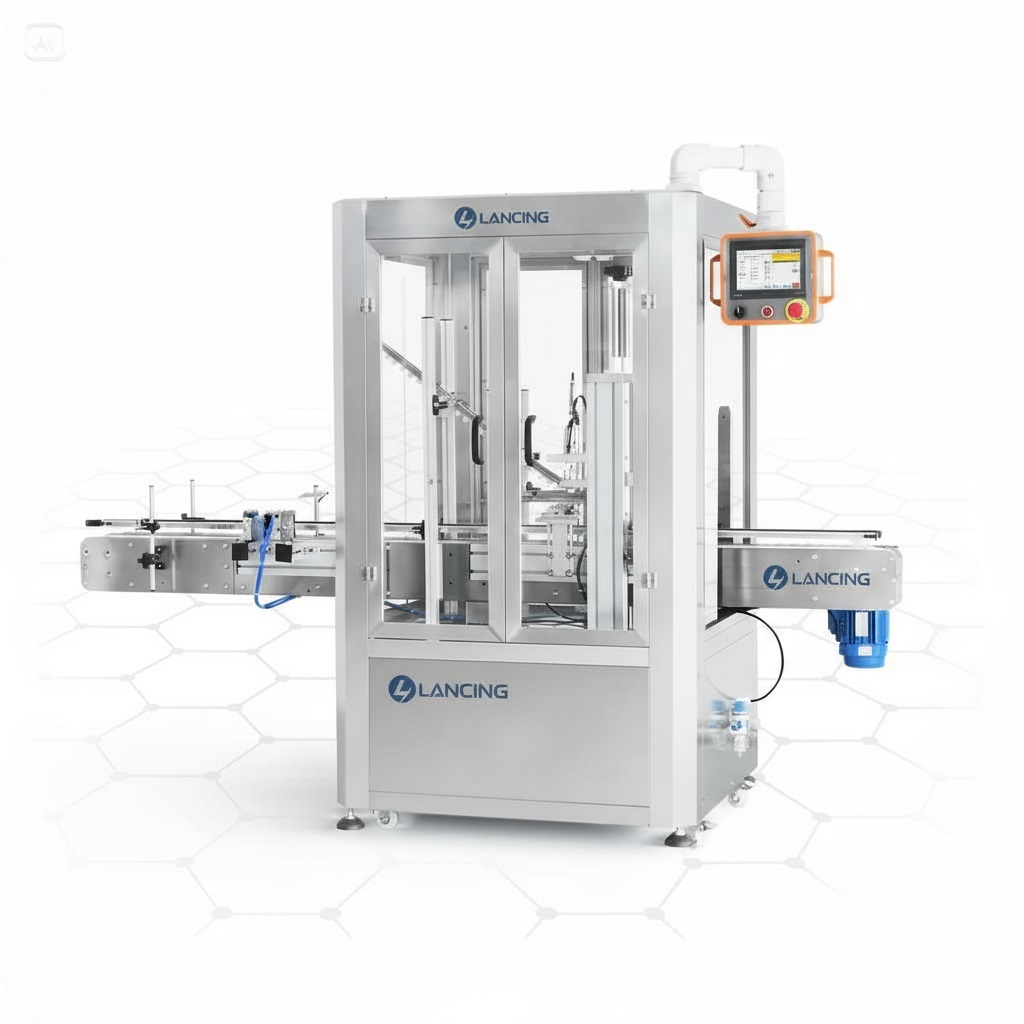
Sauce and condiment jar capping
Metal twist-off and threaded-lid routes for sauces, condiments, chutneys, pickles and similar food products.
Explore this option
Use the application pages to translate general machine options into the specific checks needed for food jars, preserves, honey, cosmetic creams and contract packing.
Start with real samples. Your jar, lid and target output provide a more reliable recommendation than choosing by model number alone.
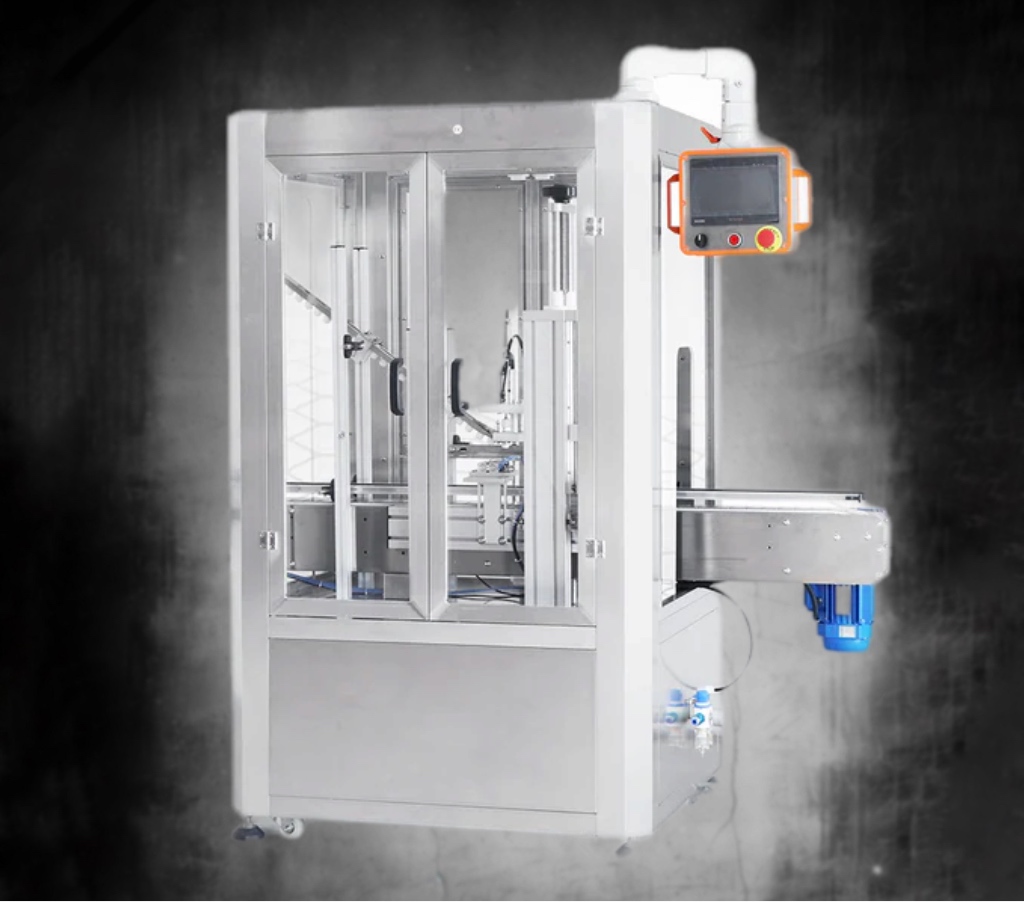
Metal twist-off and threaded-lid routes for sauces, condiments, chutneys, pickles and similar food products.
Explore this option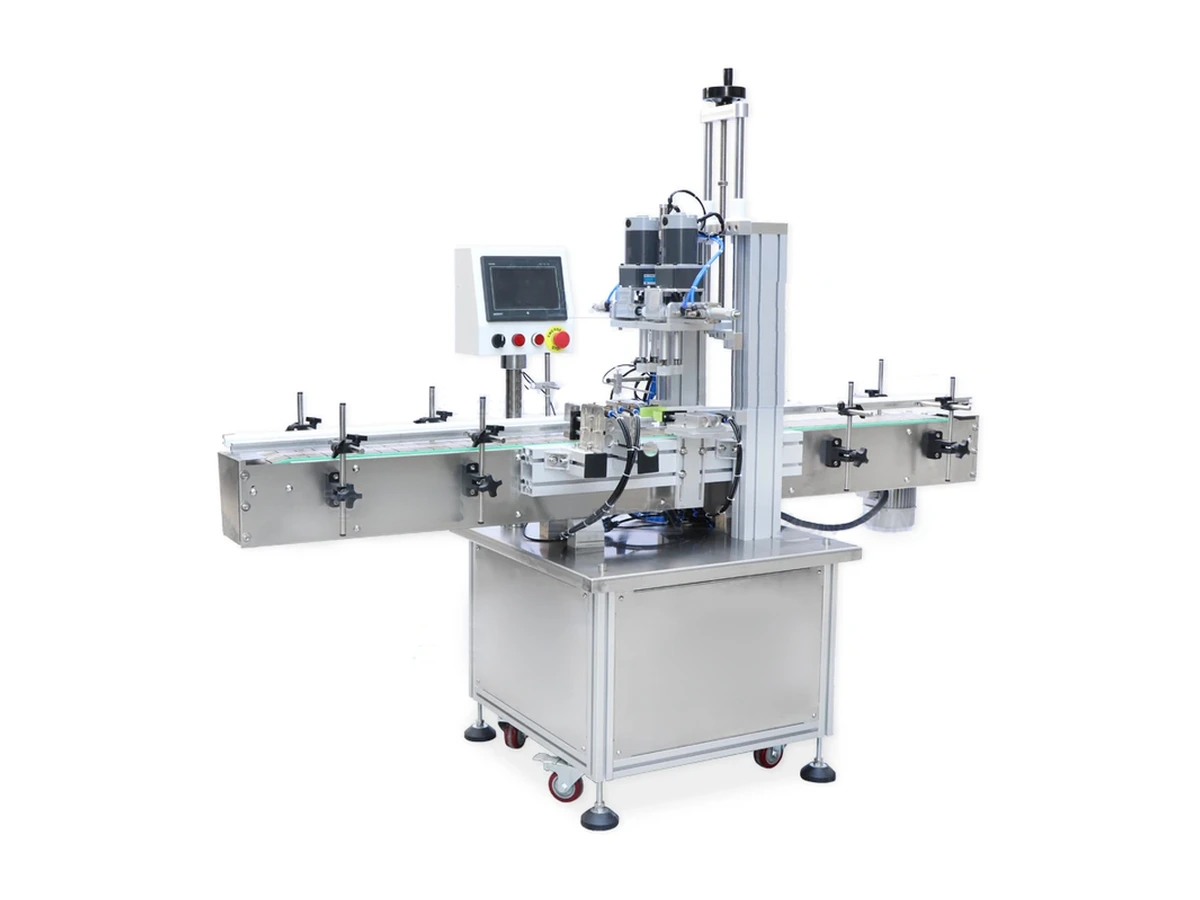
Plan hot-fill conditions, headspace, lug engagement, cooling and finished vacuum checks.
Explore this option
Threaded plastic or metal lids with attention to sticky residue, finish cleanliness and torque.
Explore this option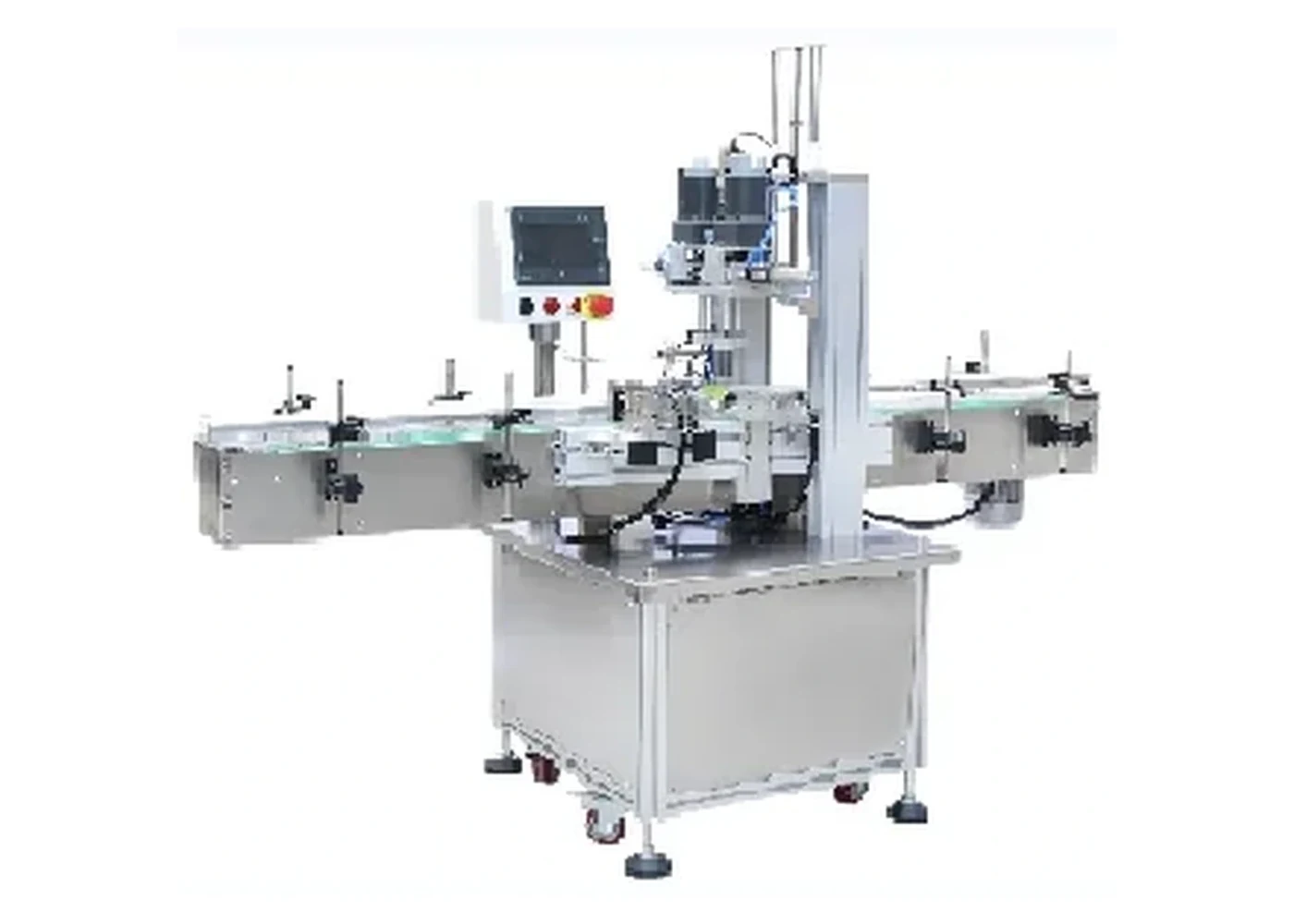
Wide decorative screw lids, low marking, controlled torque and plastic or glass jar handling.
Explore this option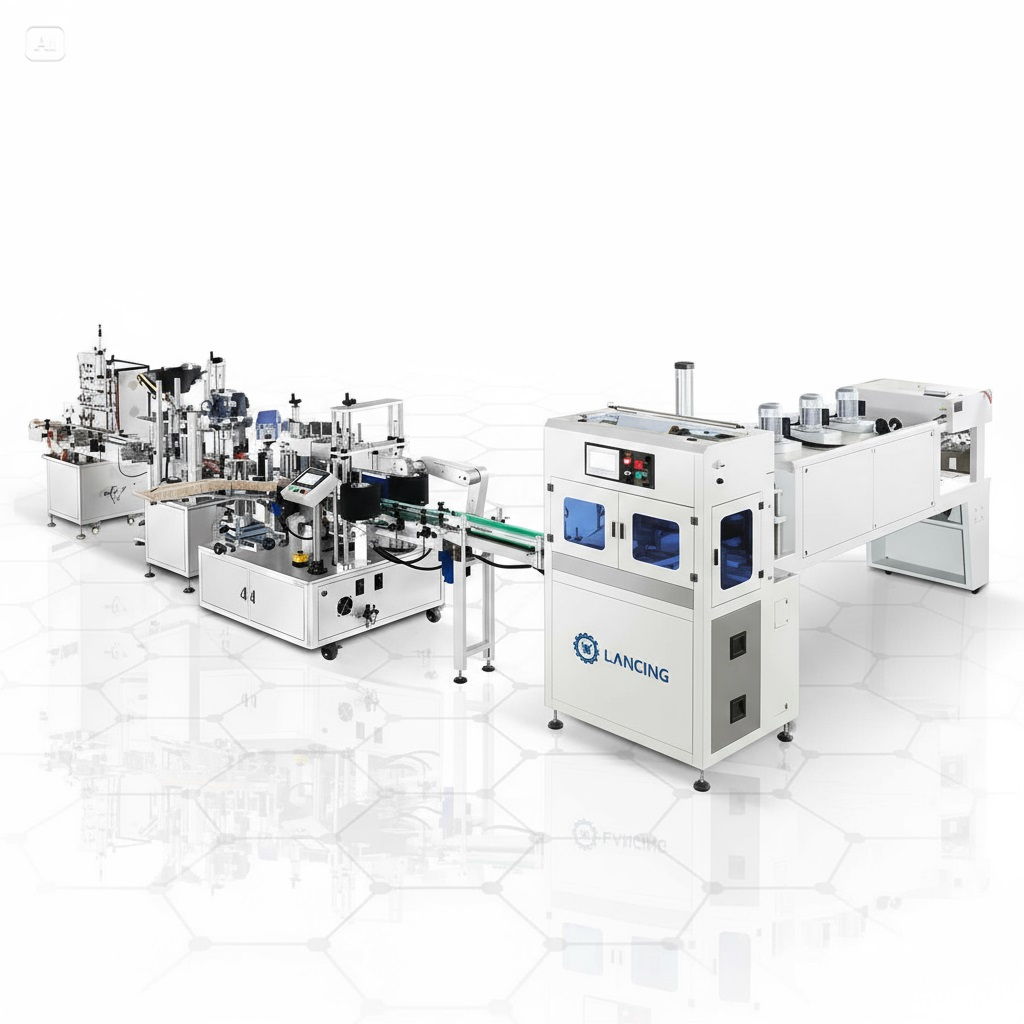
Flexible tooling, fast changeover, documented settings and a route for varied customer packs.
Explore this option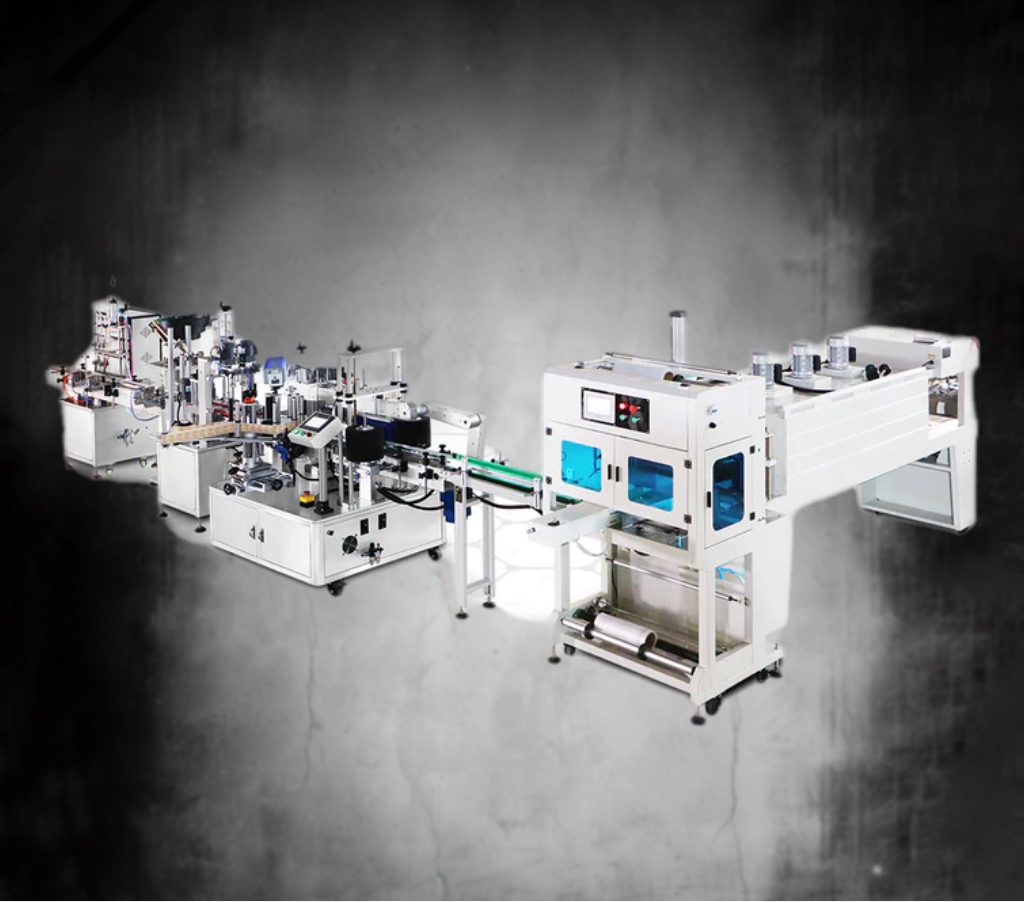
Compare glass twist-off and threaded closures with plastic jar support and wide-lid requirements.
Explore this optionInclude product type, viscosity, fill temperature, jar and lid samples, batch size, target output, cleaning method, seal acceptance and downstream labelling or packing.
Food, drink, preserves, honey, sauces, cosmetics, personal care, healthcare, technical products and contract packing all use jar closures, although their hygiene and seal requirements differ.
Viscosity, residue, fill temperature, hygiene, product attack on liners and the required shelf-life test can change the closure process and machine layout.
Potentially for compatible threaded packs, but cleaning, materials, line segregation, jar support and closure tooling must meet both applications.
| Application | Jar-specific risks to test | Best next page |
|---|---|---|
| Sauces, condiments and pickles | Finish residue, hot or cold fill, headspace, twist-off engagement, vacuum/leak checks and washdown boundaries. | Food and sauce jars |
| Jam and preserves | Hot-fill condition, cooling profile, cap button, vacuum timing, lug engagement and shelf-life protocol. | Jam and preserve jars |
| Honey | Thread contamination, opening performance after storage, filled-jar weight and anti-rotation support. | Honey jars |
| Creams and cosmetics | Wide-lid alignment, scuffing, liner or inner disc, plastic-jar distortion and presentation quality. | Cosmetic cream jars |
| Contract packing | Format approval, changeover records, first-off checks, batch traceability and customer-specific acceptance methods. | Contract packing |
The table is deliberately jar-specific. Bottle-only closures and complete production-line design are covered by the appropriate related Lancing websites.
Food, cosmetic, chemical and contract-packing applications can use similar capping motions while requiring different cleaning, component, environment and release evidence. The enquiry should describe what changes the finished closure, not rely only on the product category.
Confirm matched jar and lid, liner, finish, material behaviour and safe handling zones.
Where filling, headspace, steam, vacuum or cooling influence the seal, include those conditions in the trial plan.
Translate application needs into format, output, interface, acceptance and documentation requirements.
Send your jar, lid, product and target output. Lancing will help you identify a practical machine route and the samples needed for confirmation.