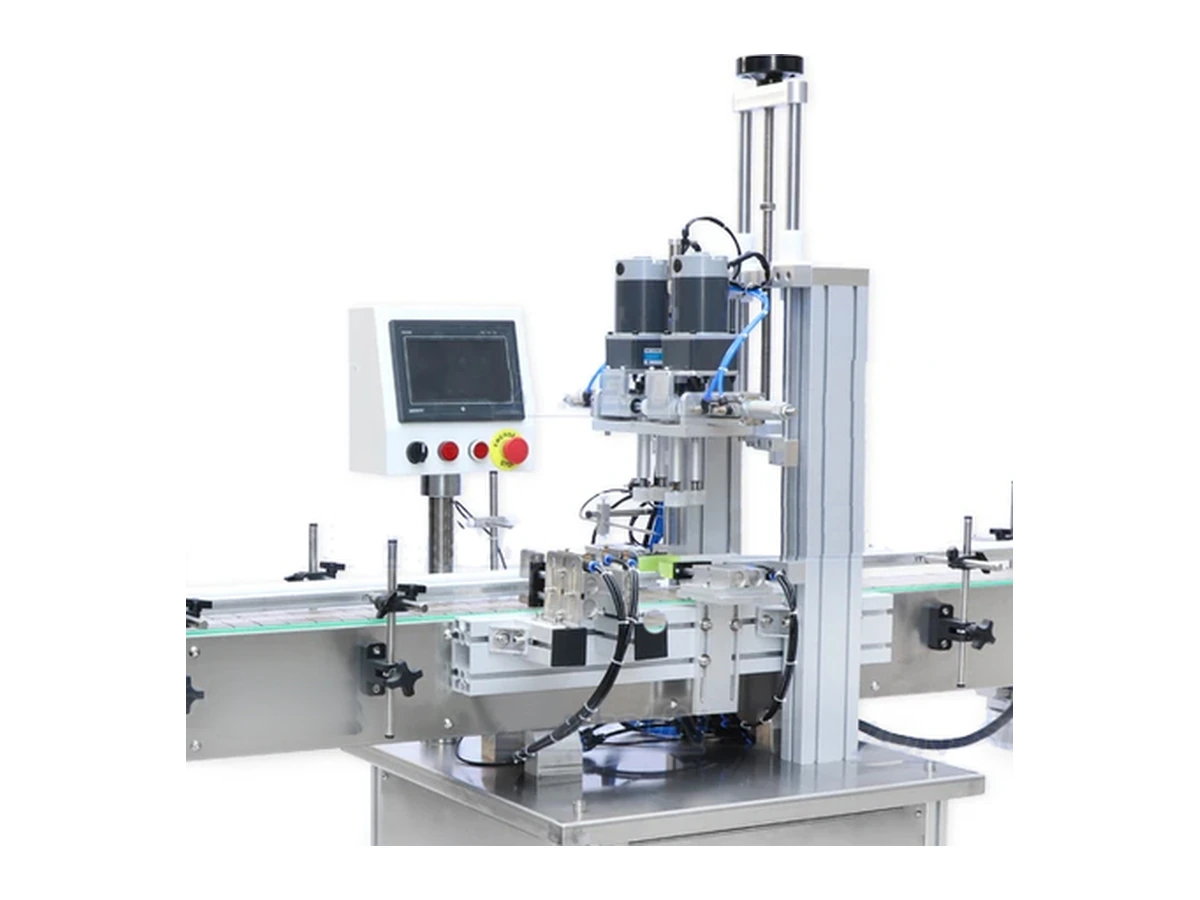
Semi-automatic jar capping
Quick-change operator-assisted route for short batches and new customer trials.
Explore this option
Contract packers need a route that can be quoted, changed and documented across customer packs. Flexibility should be measured by approved formats and changeover work, not a claim that one machine caps everything.
Start with real samples. Your jar, lid and target output provide a more reliable recommendation than choosing by model number alone.
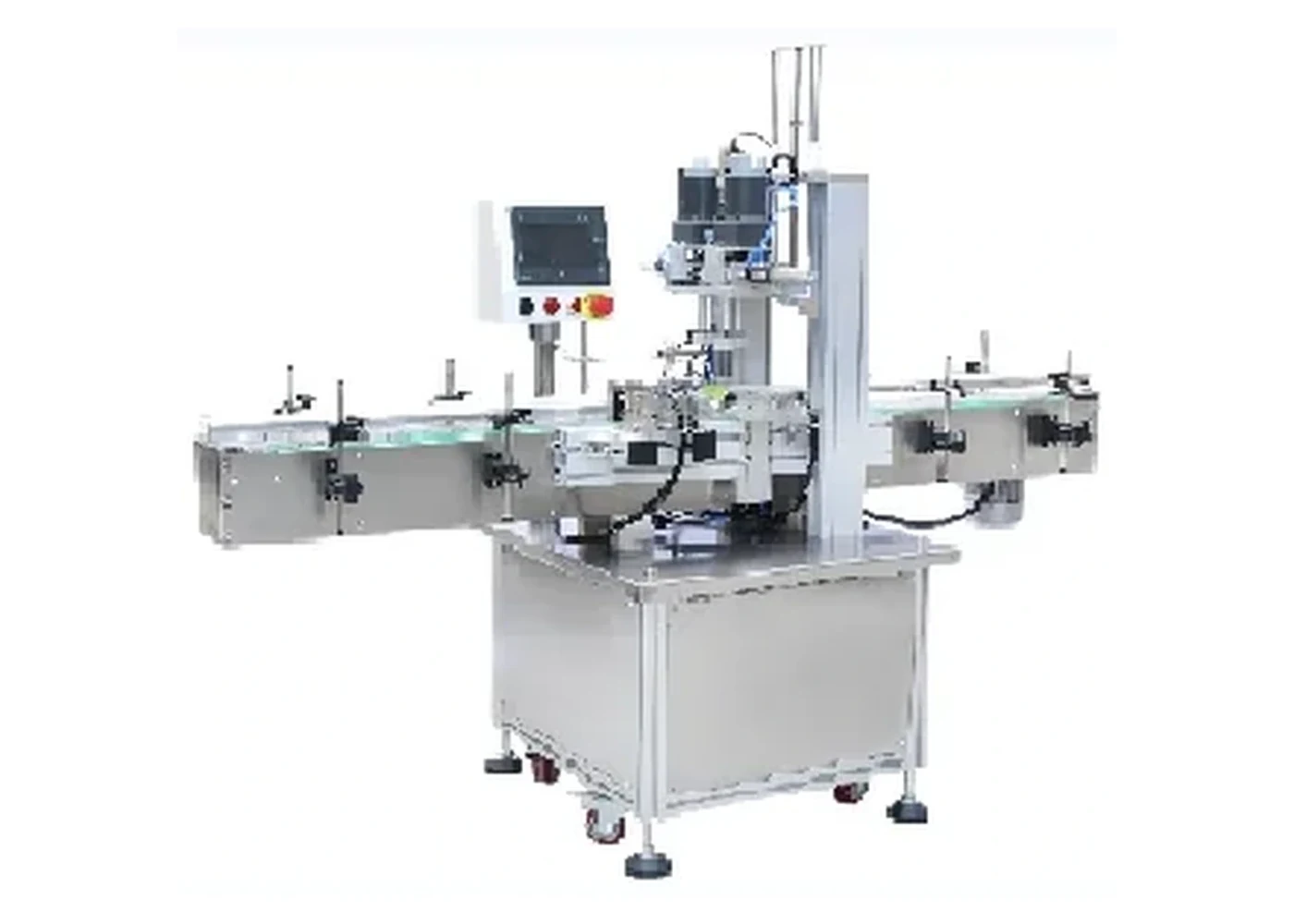
New customer packs should be screened before accepting a production commitment. Closure type, jar stability and cap feeding can alter tooling, achievable output and setup time.
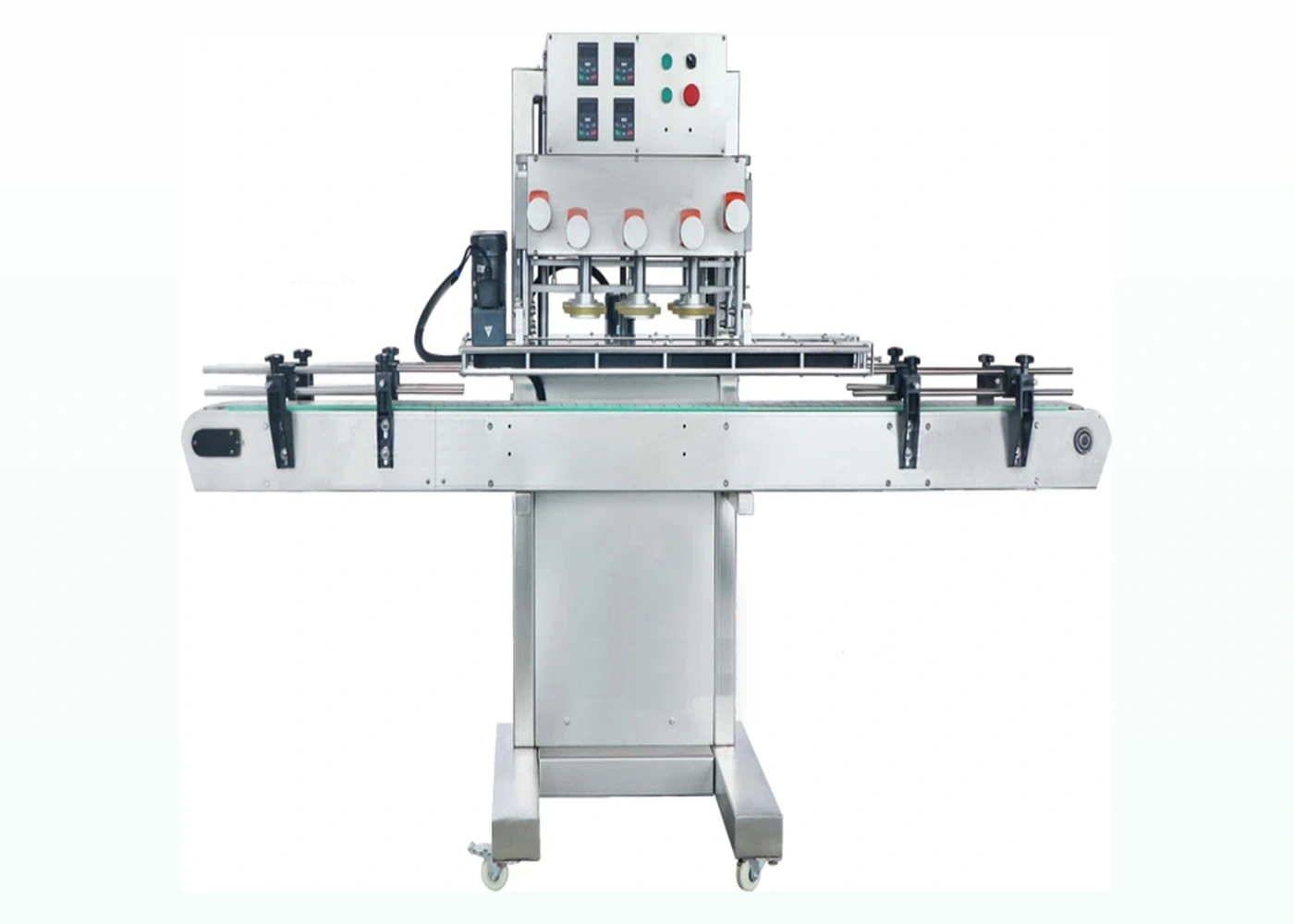
No single route is best for every contract. A practical machinery set may include semi-automatic equipment for difficult short runs and automatic cappers for repeat contracts.
Quick-change operator-assisted route for short batches and new customer trials.
Explore this option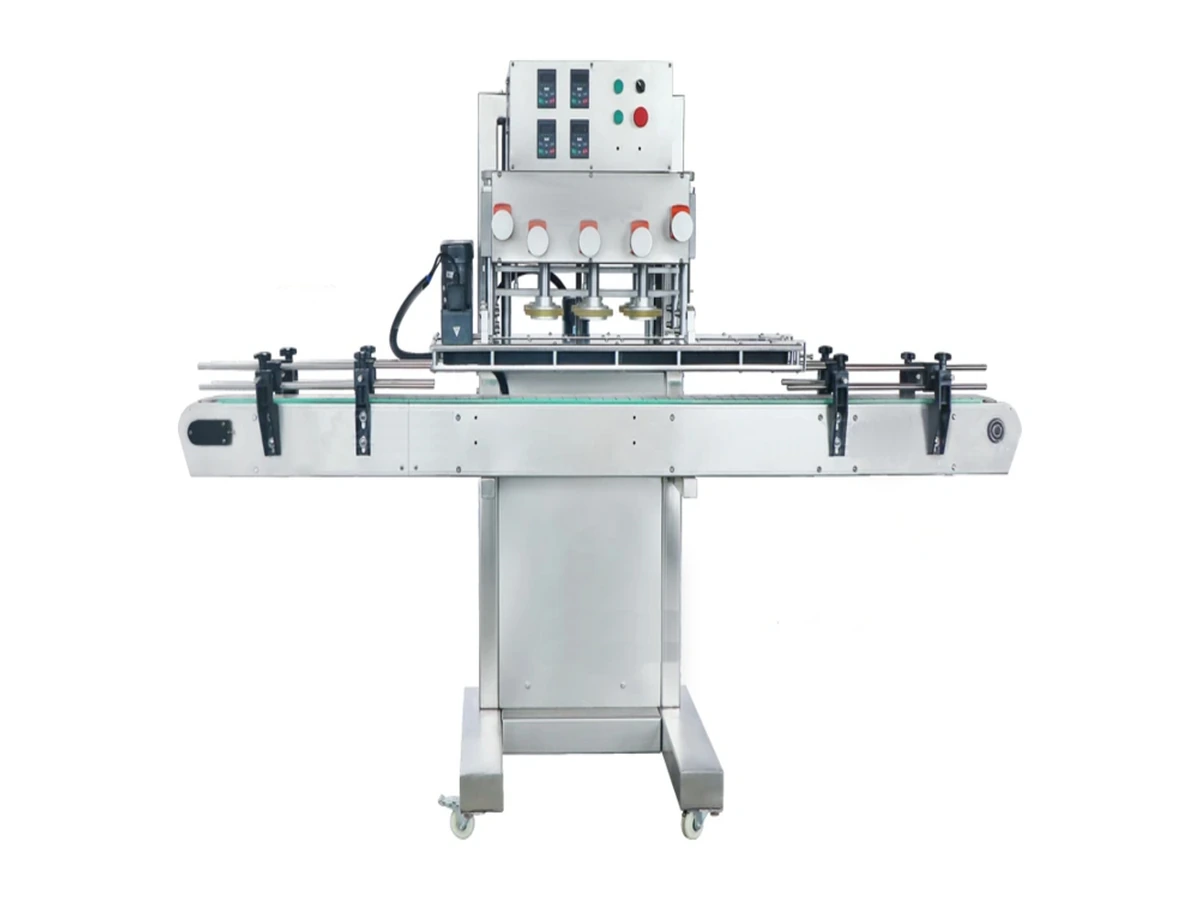
Conveyorised screw-lid capping without the footprint of a large high-speed line.
Explore this option
Higher-output continuous tightening for stable repeat jar and lid formats.
Explore this option| Control point | Why it matters | Useful evidence |
|---|---|---|
| Format approval | A machine range is not proof that a customer pack will run reliably. | Trial report, samples and approved tooling list. |
| Setup control | Unrecorded adjustments make repeat campaigns slower and less consistent. | Height, guides, pressure, torque and speed settings. |
| First-off checks | Changeovers need evidence that closure quality is restored. | Torque/vacuum, cap height, leak and visual checks. |
| Commercial output | Quoted rate should include changeovers, replenishment and expected efficiency. | Sustained trial rate and agreed assumptions. |
The packer remains responsible for product, process, hygiene and shelf-life validation.
For each prospective customer pack, obtain production jars and lids, product information, batch size, target rate, acceptance criteria and packaging-line constraints before confirming capability.
Include normal production samples rather than only hand-selected perfect components.
A format library with photographs, change parts, settings and signed acceptance criteria can turn machinery flexibility into a controllable service.
Semi-automatic chuck systems can be flexible for short runs, while automatic systems provide higher output for approved repeat formats. The best equipment mix depends on the contract profile.
Rarely. Closure-specific feeding behaviour may require change parts, dedicated feeders or manual placement for low-volume difficult caps.
From the last accepted pack of one format to the first accepted pack of the next, including cleaning, tooling, settings and quality checks.
Contract packers need flexibility without turning each repeat campaign into a new trial. Link the physical change parts and machine settings to the customer’s release method and approved first-off samples.
| Record block | Include | Use at the next campaign |
|---|---|---|
| Pack identity | Customer, SKU, jar, lid, liner, artwork-sensitive zones and component batches. | Confirm the incoming materials match the approved format. |
| Machine setup | Tooling, guides, height, pressures, speeds, feeder settings and control recipe. | Restore the known starting point. |
| Quality method | Torque/vacuum, cap height, leak, visual and sampling instructions. | Approve first-off packs using the customer’s method. |
| Trial evidence | Sustained output, rejects, stop log, changeover time and retained samples. | Plan labour, schedule and expected efficiency. |
| Deviation route | Who approves component, process or setting changes. | Prevent undocumented adjustment during production. |
Send your jar, lid, product and target output. Lancing will help you identify a practical machine route and the samples needed for confirmation.