
Automatic Spindle Jar Capping Machine
A continuous belt-and-spindle capping route for threaded jar lids where side-belt control, multiple tightening stages and higher line output are priorities.
Start with real samples. Your jar, lid and target output provide a more reliable recommendation than choosing by model number alone.
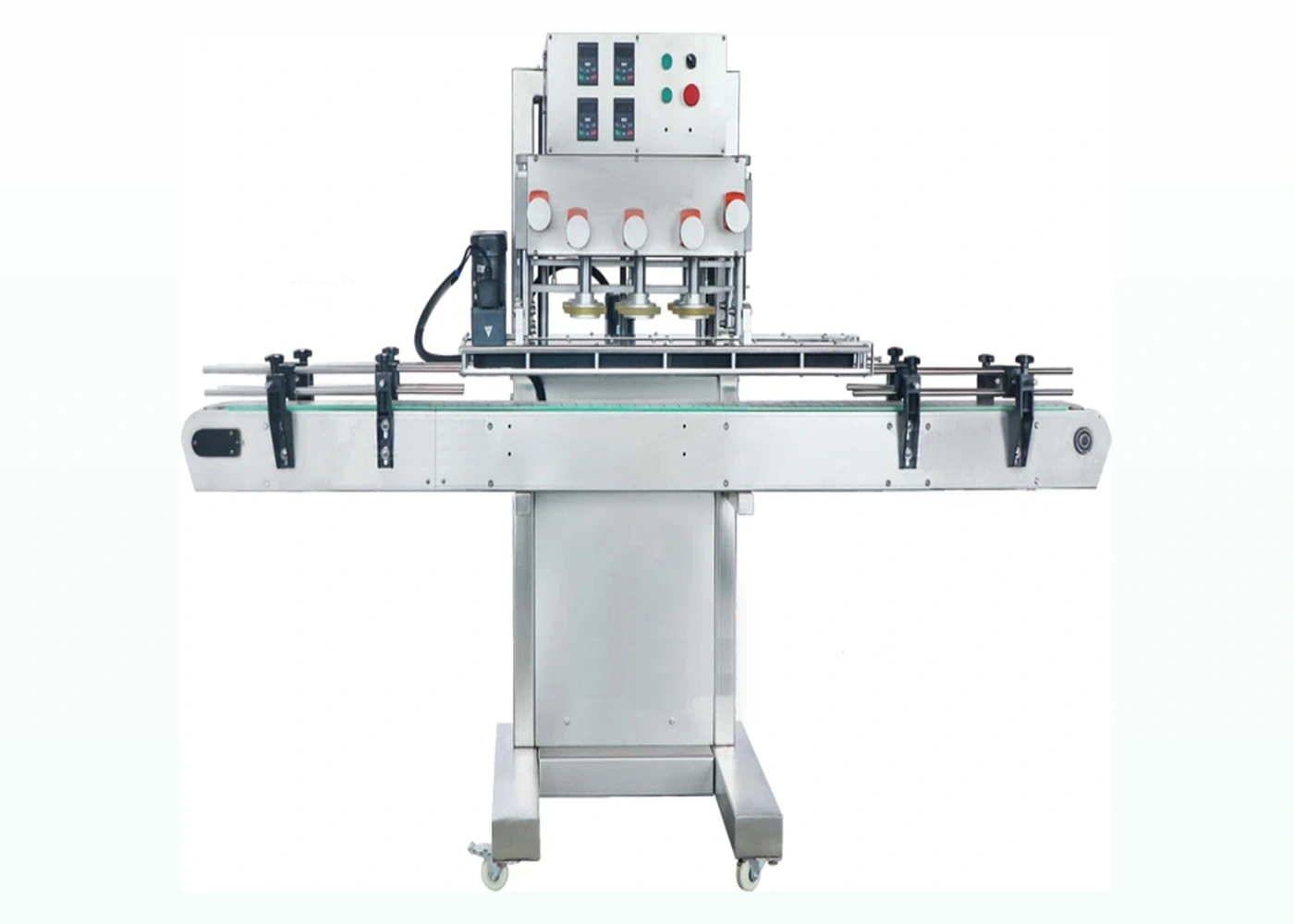
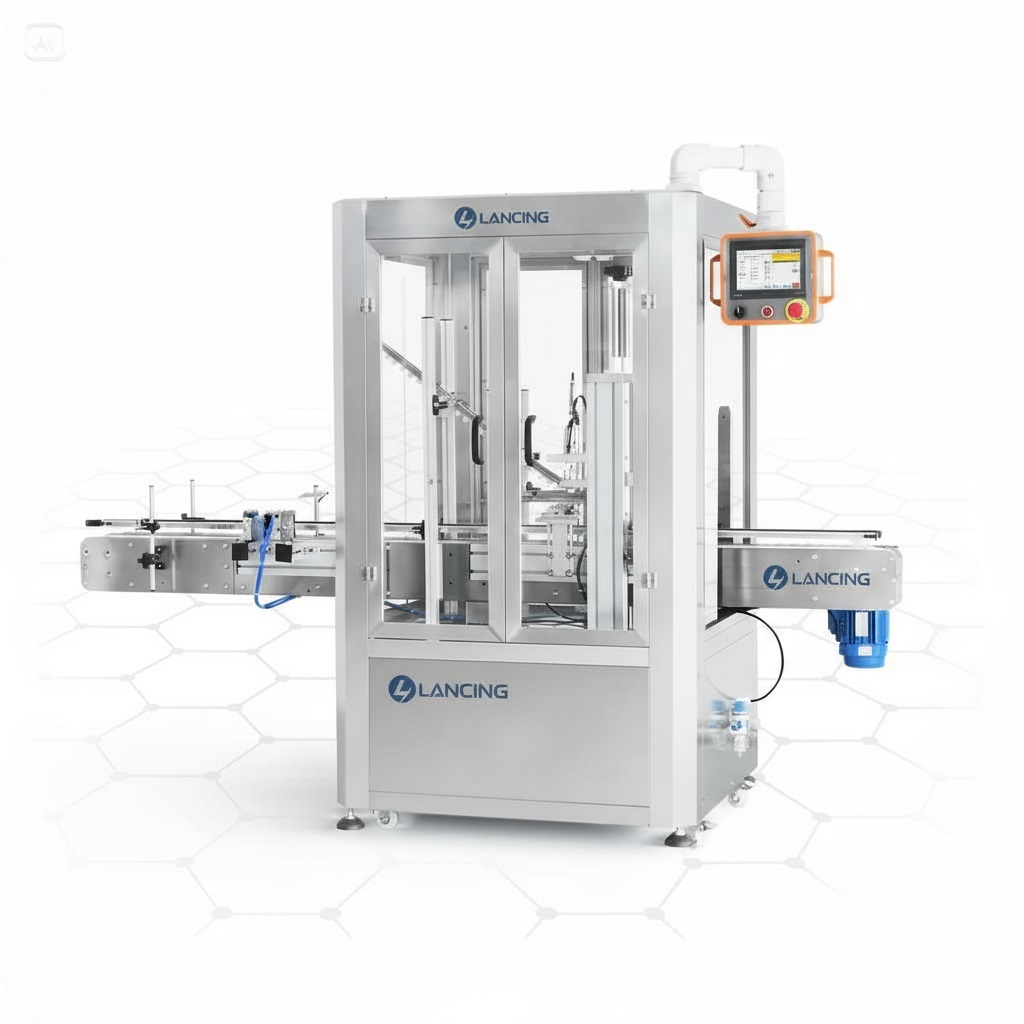
Equipment example shown; the final configuration is confirmed for your jars and lids.
Equipment examples
These photographs show capping and related packaging equipment. They do not identify a confirmed configuration for this machine; we confirm tooling and guarding for your jars and lids during project review.
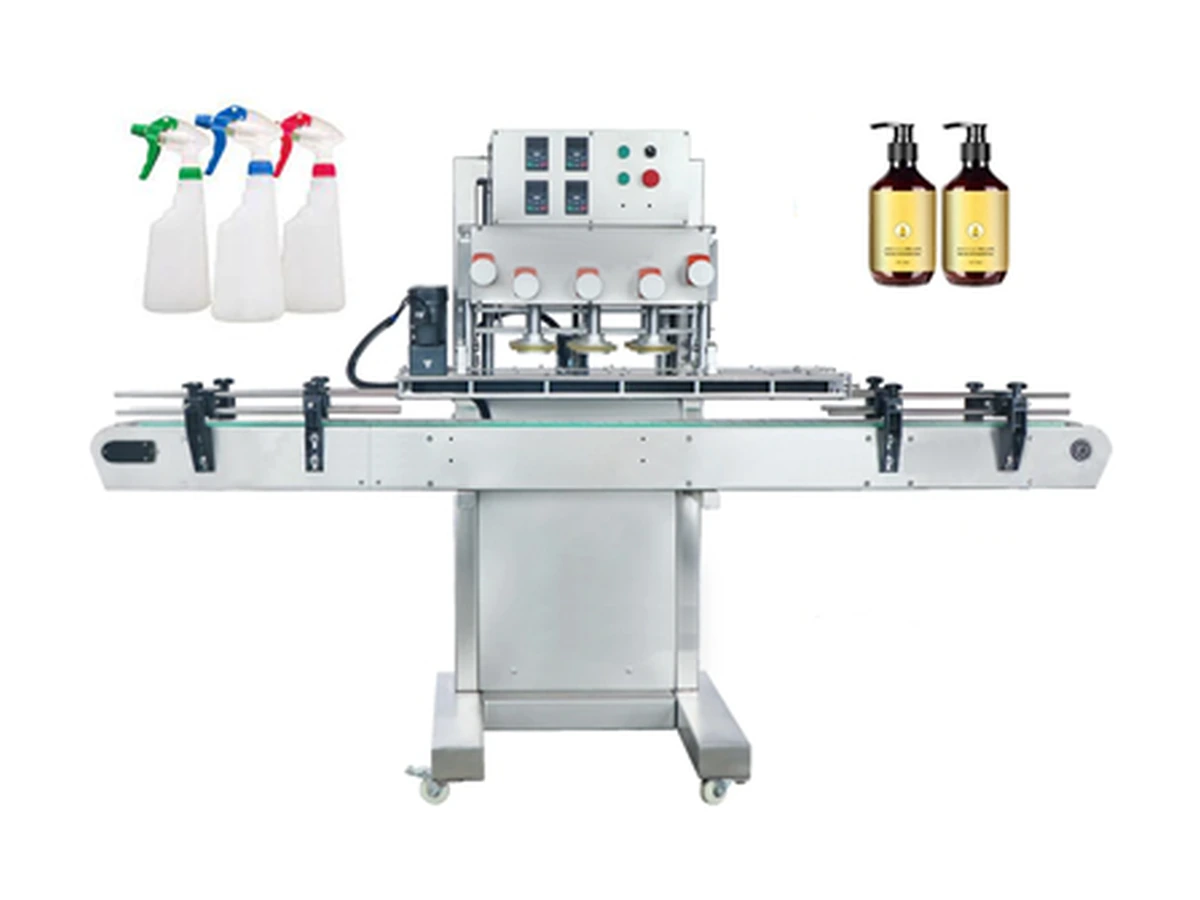
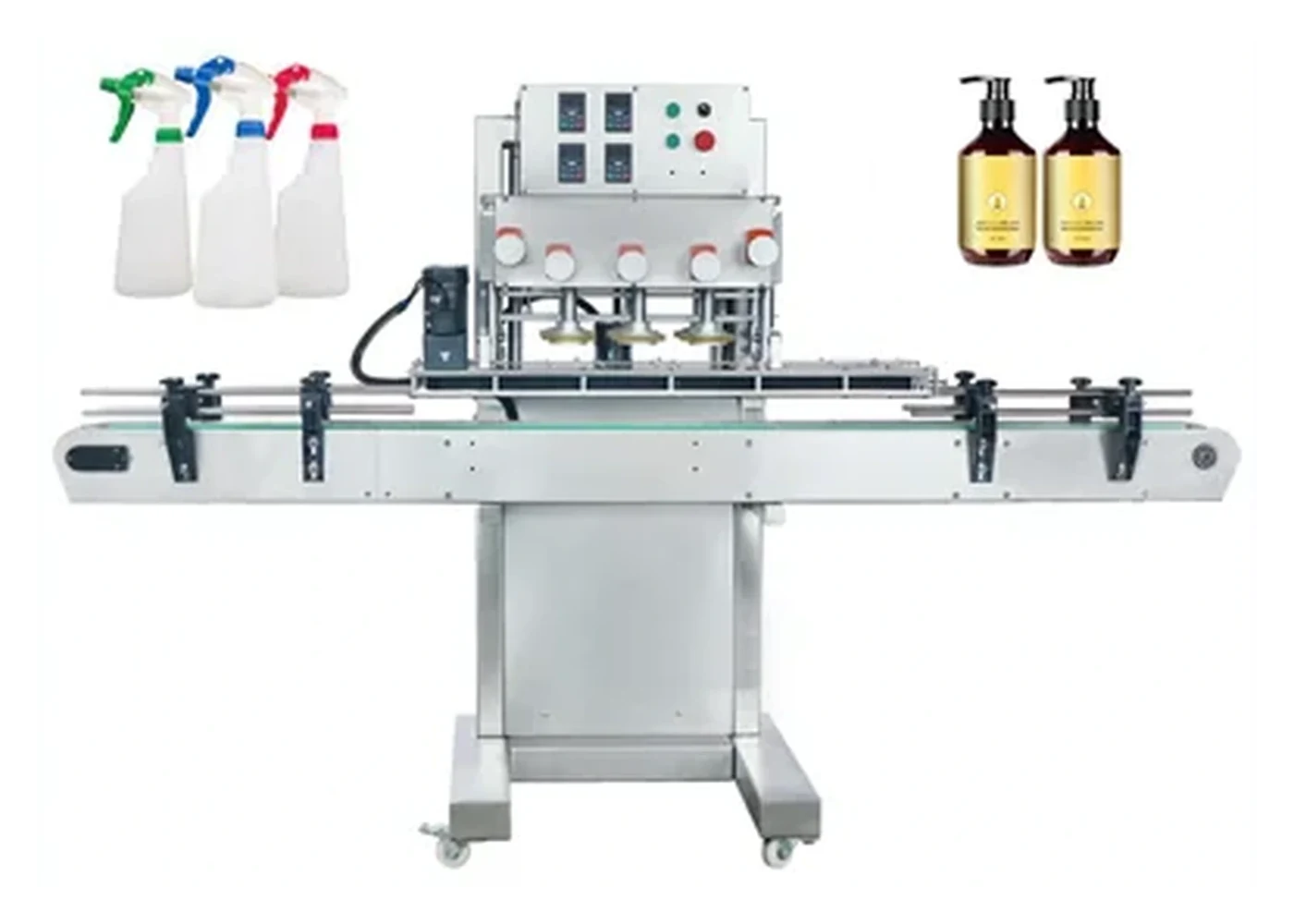
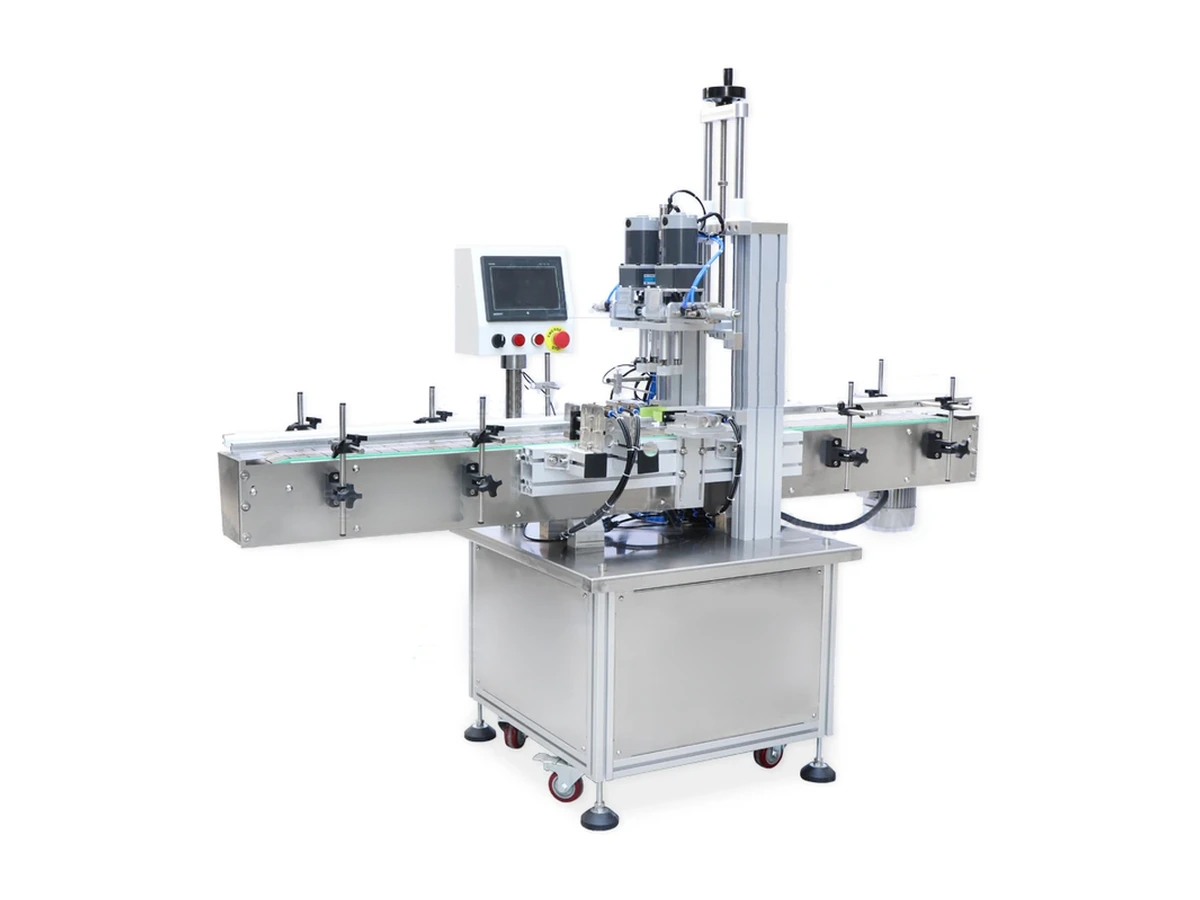
Ask for a demonstration using your own jars and lids before the machine is specified.
Use these figures to create your first shortlist.
Your confirmed specification will be based on real jars, lids, product conditions and an agreed trial.
| Indicative output | 3,000–5,000 containers per hour, format dependent |
|---|---|
| Indicative container diameter | Approximately Ø35–120 mm |
| Indicative jar height | Approximately 60–200 mm |
| Closure route | Pre-placed threaded screw lids |
| Handling | Side belts and multiple spindle wheels |
Planning figures only. Final capability is confirmed against your production jars, lids, product conditions and required line layout.
Best suited to a defined jar-and-lid range.
Stable, repeatable jar formats and production lines where pre-placed threaded caps can enter a continuous spindle capping section.
- Continuous inline operation
- Side-belt support to control the jar through the tightening zone
- Progressive tightening using adjustable spindle wheels
- Suitable for connection to cap feeding, filling, labelling and coding equipment
What this route is designed to improve
Controlled closure application can reduce variation from hand tightening, make the cycle easier to train and provide a clearer basis for quality checks.
It does not remove the need to validate seal performance. Torque, lid height, vacuum, leak testing and visual finish should be defined for the actual packed product.
Send enough information for a realistic configuration.
Check jar wall strength, shoulder shape, lid knurl, cap skirt, desired torque range, side-belt contact area and the gap between jars on the conveyor.
- Samples: production jars, lids and any liners or tamper features.
- Process: fill product, temperature, residue risk and finished-pack checks.
- Output: target jars per minute, batch pattern and operator availability.
- Integration: floor space, conveyor height, power, air and adjoining equipment.
Automatic Spindle Jar Capping Machine questions.
What is the difference between a spindle and chuck capper?
A spindle capper typically uses rotating wheels for continuous tightening. A chuck capper captures the closure with a dedicated head for a defined cycle.
Can a spindle capper run metal twist-off lids?
Do not assume so. Twist-off closures may require a different application method, controlled downward pressure or vacuum-cap sealing route.
Does the jar need side support?
Usually yes. Stable side-belt contact helps keep the jar controlled while the spindle wheels tighten the lid.
Ready to check this machine against your pack? Send your jars, lids and target output, or view related Lancing machine information.
Balance jar control, cap grip and each tightening stage.
A spindle capper normally tightens through a sequence of wheel contacts while side belts control the container. The trial should show that the cap remains engaged and the jar remains stable through every stage, including line stops and restarts.
- Confirm that lids are placed squarely before entering the first wheel pair.
- Record side-belt contact zones and pressure for empty and filled jars.
- Inspect cap knurl, skirt and decoration for marks after the full wheel sequence.
- Measure the agreed torque result after the stated conditioning time.
- Run the smallest spacing and highest approved line rate without jar-to-jar contact.
Use a spindle route when continuous jar flow and stable pre-placement can be proved.
Spindle or wheel tightening is a strong candidate when jars can travel continuously, the closure is already sitting squarely on the finish and side belts or guides can stabilise the pack without marking it. The wheel sets then apply progressive contact while the jar advances.
A chuck route may deserve comparison when the jar needs a defined indexed position, the closure benefits from a matched top tool, format tooling is acceptable or the lid and jar are difficult to control through continuous wheels. Neither method should be selected from output alone.