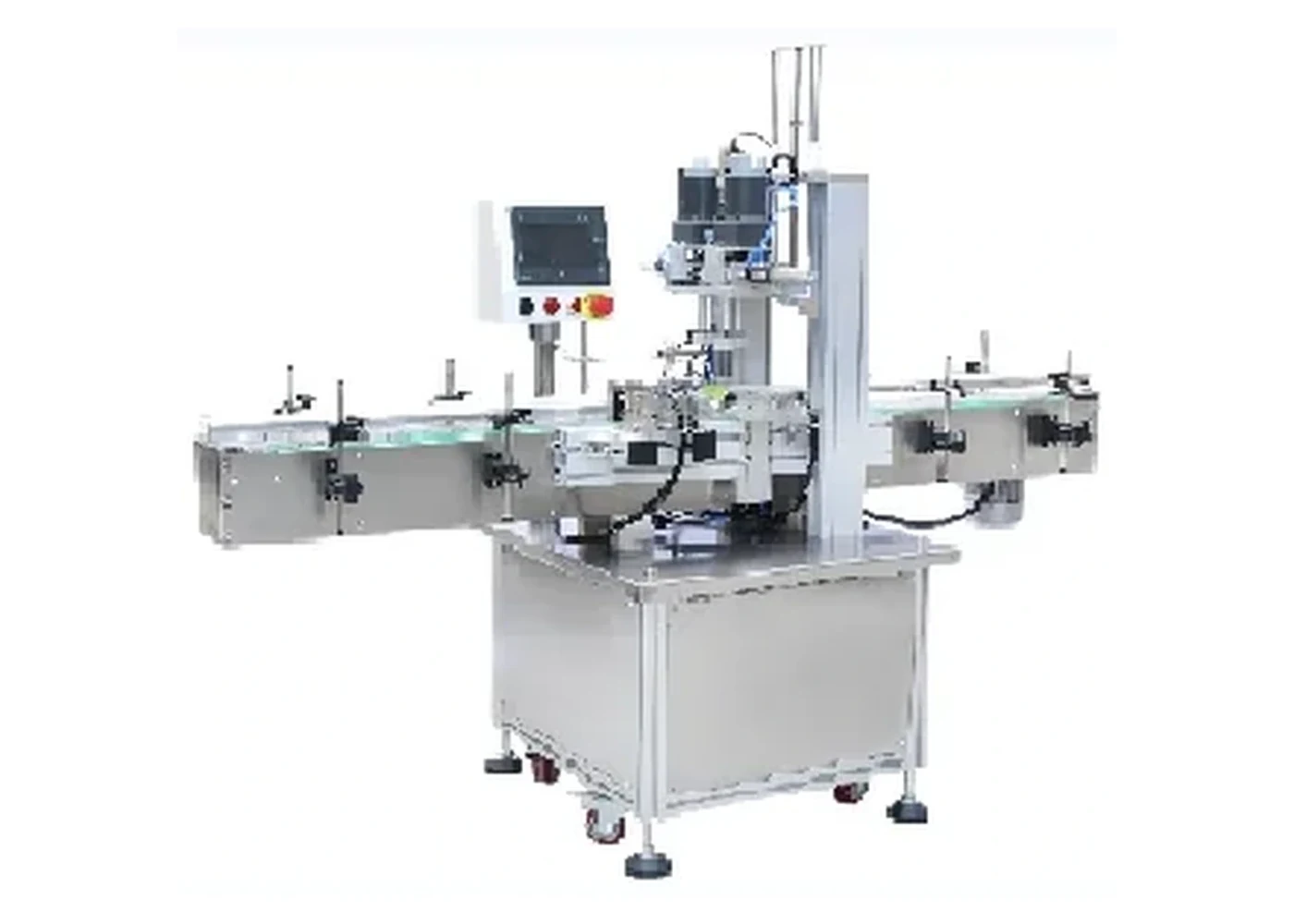
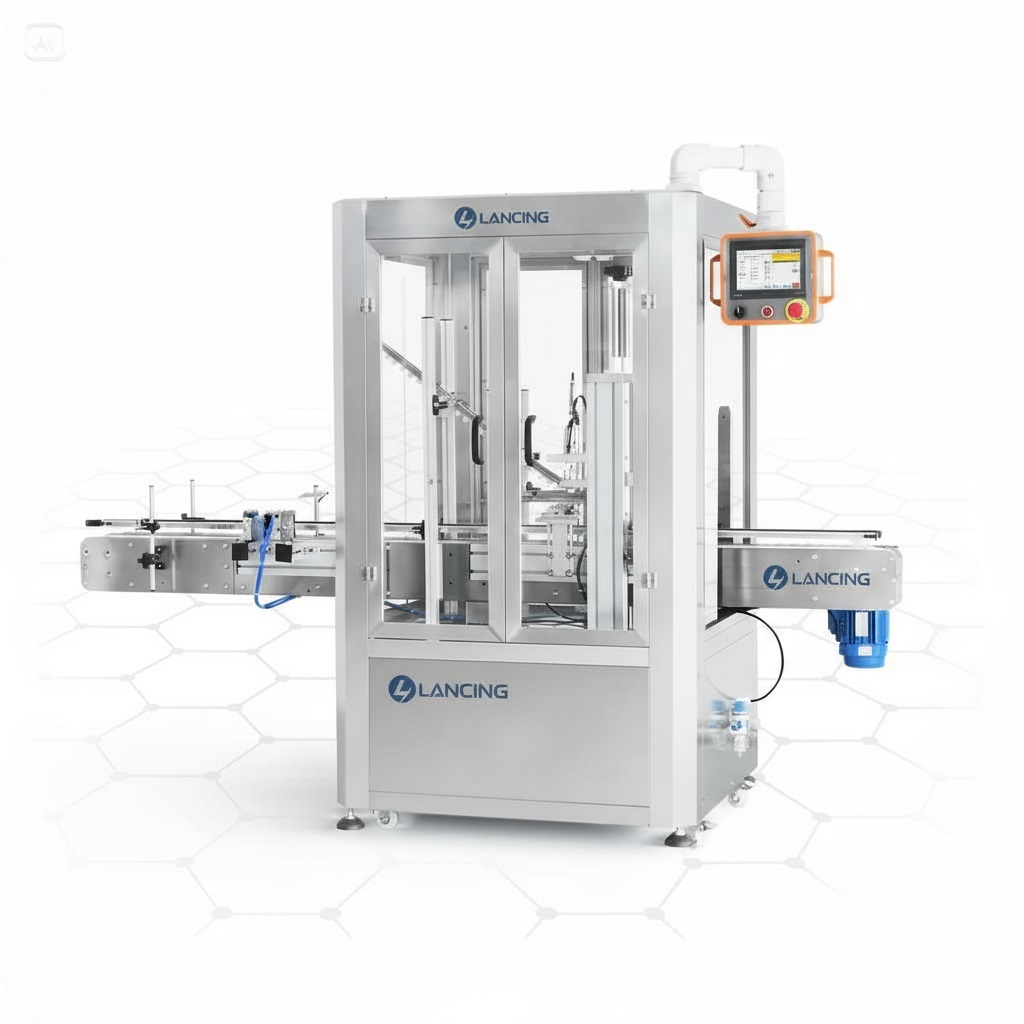
Compact automatic jar capper
Space-saving conveyorised tightening for growing production and a defined threaded-lid range.
Explore this option
Automatic tightening can remove a repetitive manual step, but a complete automatic line also needs reliable jar control, lid presentation and defined seal inspection.
Start with real samples. Your jar, lid and target output provide a more reliable recommendation than choosing by model number alone.
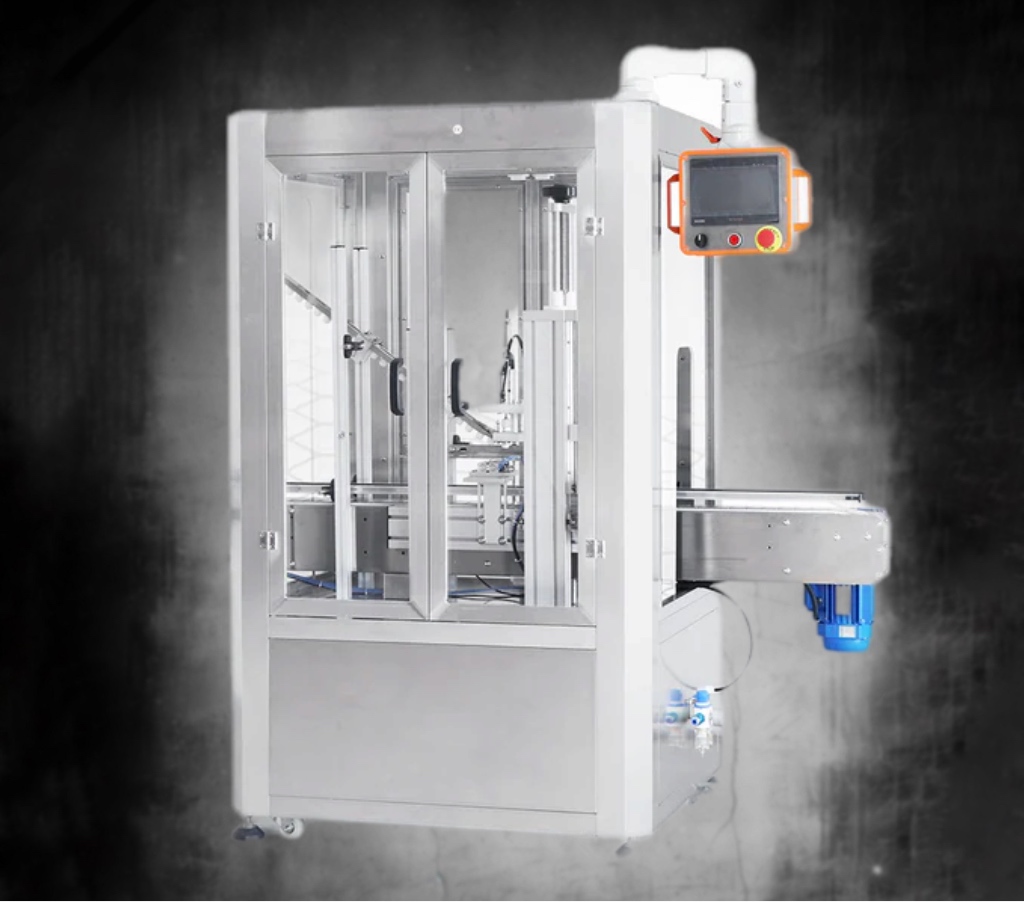
A compact inline capper, multi-spindle system, dedicated twist-off machine or bowl-fed line solves a different automation problem.
Space-saving conveyorised tightening for growing production and a defined threaded-lid range.
Explore this option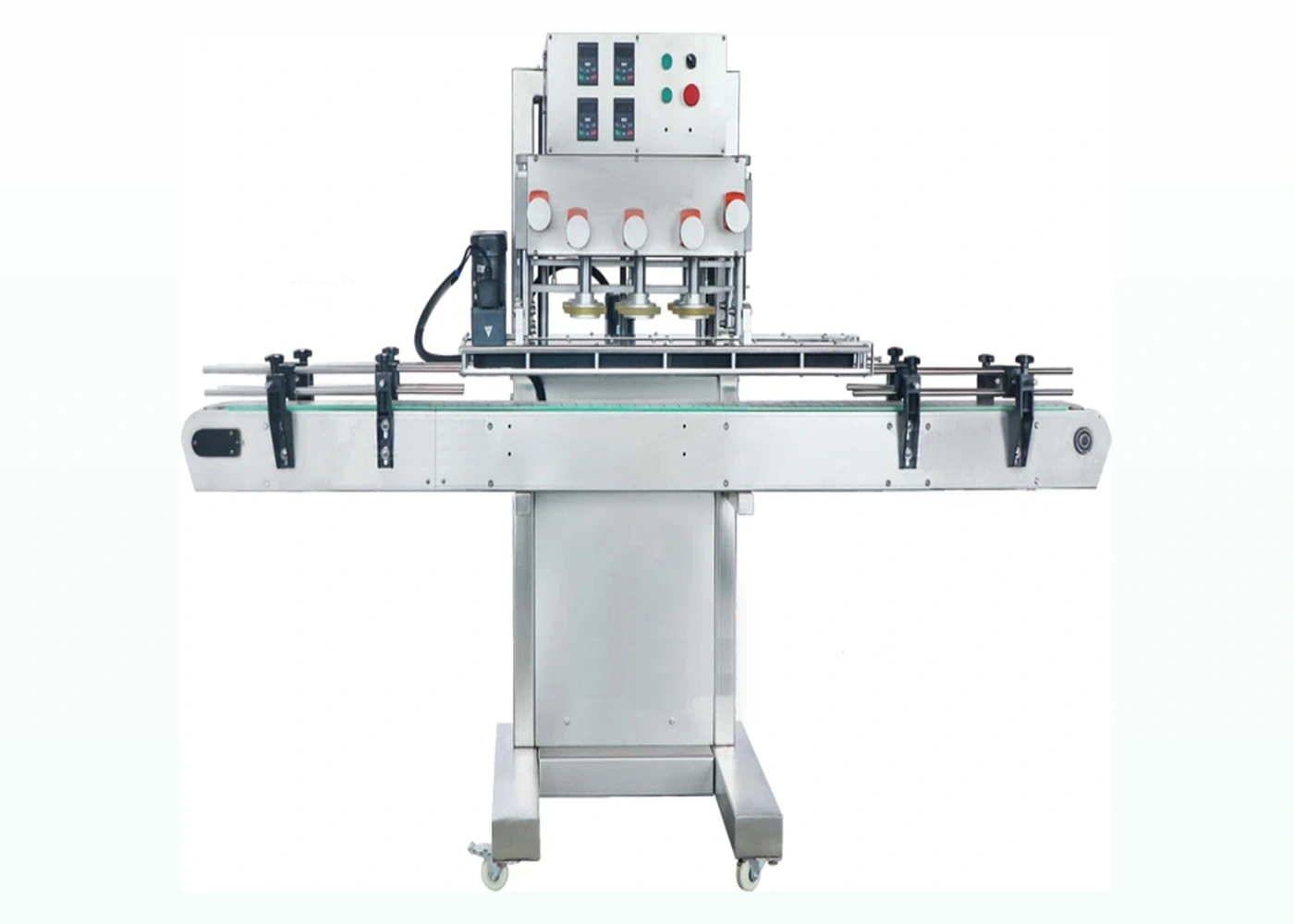
Continuous side-belt and spindle-wheel tightening for suitable threaded jars at higher line speeds.
Explore this option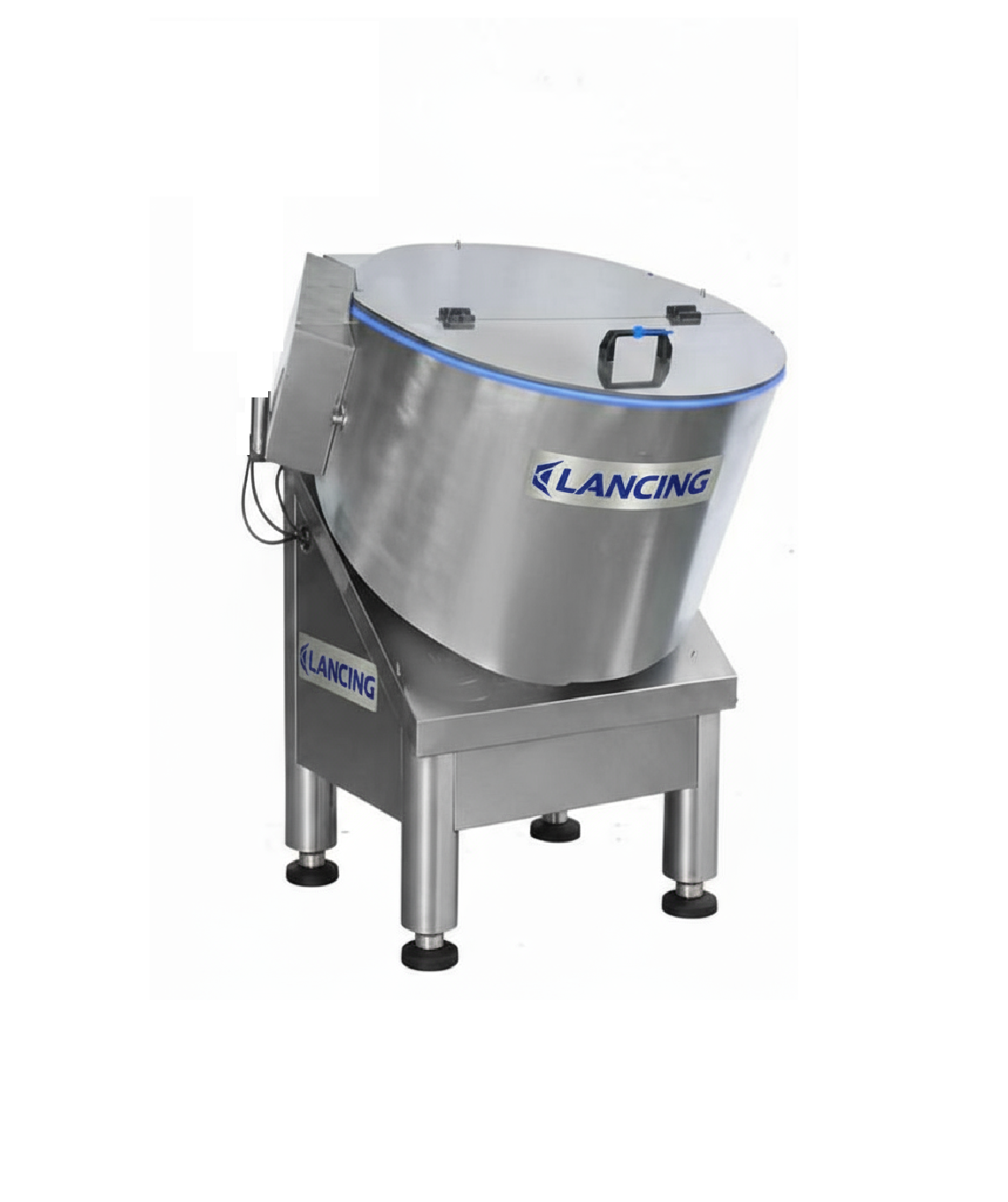
Bulk lid sorting, orientation and presentation before automatic screw capping.
Explore this optionThe line is only as reliable as its least controlled transfer. Assess the route from loose lids and incoming jars through to discharge and inspection.
| Design input | Why it matters | What to provide |
|---|---|---|
| Lid presentation | The capper cannot tighten a closure that arrives inverted, nested or off-centre. | Loose lids, lid drawings, finish requirements and required refill interval. |
| Jar stability | Tall, light or slippery jars can rotate or tip during tightening. | Empty and filled samples, dimensions, weight and centre-of-gravity concerns. |
| Line speed | Nominal capper speed must be coordinated with real accumulation and changeovers. | Sustained and peak jars/min, shift pattern and planned efficiency target. |
| Inspection | The line needs measurable acceptance, not only a capped appearance. | Torque/vacuum range, leak test, cap height and reject rules. |
A published maximum speed assumes suitable jars, lids, spacing and cap delivery. The approved output must be demonstrated under agreed trial conditions.
Indicative dimensions and speeds are screening information, not an acceptance test.
Automatic jar infeed, lid sorting and placement, capping, controlled discharge and suitable line coordination are all required; automatic tightening alone is not the whole process.
Often within an approved range, using change parts and settings. A broad range or different closure families may need separate tooling or feeders.
It depends on the capper, feeder, conveyor, guarding, access and buffers. Supply a scaled layout and conveyor height early in the project.
An automatic jar capper depends on cap presentation, jar control, closure application, downstream release and fault handling. A trial should prove each interface at the intended running condition.
| Trial stage | What to challenge | Evidence to retain |
|---|---|---|
| Bulk lid supply | Normal production lids, nesting, refill method, low-cap condition and surface-marking risk. | Representative run video, cap-feed stoppage log and approved cosmetic samples. |
| Jar infeed | Smallest, largest, lightest and least stable approved jars at normal filled weight. | Guide settings, conveyor speed, spacing method and any tip or rotation event. |
| Closure application | Cap centring, thread or lug engagement, cap height and tightening result across component batches. | Measured samples, defect categories and retained failed packs for teardown. |
| Inspection and reject | Known fault samples, sensor response, reject confirmation and line behaviour when the reject station is unavailable. | Fault matrix, reject count and agreed operator response. |
| Changeover and restart | Approved format change, recipe or setting recovery, first-off checks and safe restart after a stop. | Elapsed time, setup record and signed first-off approval. |
The acceptance limits themselves should come from the approved jar, lid and product process. A machinery supplier can demonstrate repeatability, but should not invent the pack-owner’s torque, vacuum or shelf-life specification.
Use the jar-capping trial acceptance guide · Define closure-integrity checks
Clarify whether the capper controls the cap feeder, infeed conveyor, outfeed conveyor, inspection device and reject station, or exchanges permissives with separate machines. Define stop, restart, starve, block and emergency-stop behaviour in the project documents.
For a standalone bowl, elevator or difficult closure feeder beyond the jar-specific interface, review the dedicated cap-feeding systems. For a coordinated filler-to-labeller project, use the wider packaging-line integration resource rather than expanding this jar-capper page into a competing full-line guide.
A short uninterrupted run proves only one operating condition. An automatic jar capping cell should also be observed while jars or lids are temporarily unavailable, the downstream conveyor is blocked, an operator refills closures and the line restarts after a controlled stop.
| Test condition | Expected evidence | Project detail to record |
|---|---|---|
| Normal sustained run | Stable jar handling, reliable lid presentation and finished packs that pass the agreed checks. | Good output, rejects, minor stops, operator actions and test duration. |
| Upstream starved | The capper waits without releasing loose caps or creating an uncontrolled restart condition. | Sensor position, delay, restart sequence and any manual reset. |
| Cap supply low or empty | Low-level indication and a controlled response before lids are missed or misapplied. | Buffer capacity, warning point, refill access and line-stop ownership. |
| Downstream blocked | Jars remain controlled without damaging the closure or creating unstable back-pressure. | Accumulation limit, block signal, stop order and release behaviour. |
| Fault cleared and restarted | The first packs after recovery receive the same placement, tightening and inspection as steady production. | Recovery steps, rejected packs, retained samples and settings changed. |
| Format change | Change parts and settings are repeatable and the first approved pack can be traced to a recorded setup. | Parts list, adjustment record, verification sample and elapsed changeover time. |
The capper may depend on a filler discharge, conveyor spacing device, cap feeder, inspection station and downstream labeller. The project specification should identify which controller owns each permissive, stop request, warning and restart. This avoids a mechanically suitable machine being limited by an undefined electrical or process interface.
Define line interfaces · Plan automatic lid feeding · Set a sustained-output test
State whether the supply includes bulk lid loading, orientation, placement, capping, conveyors, rejection, accumulation and connected-line controls.
Agree the response to jar starvation, downstream blockage, low lid level, missed cap, guard opening, fault reset and restart.
Test good-pack output with normal replenishment, representative stops, closure checks and an approved format change.
Use the cap-feeder troubleshooting guide to define fault evidence, the site-preparation guide for interfaces, and the FAT/SAT guide for the acceptance sequence.
Automatic tightening is only one part of an automatic cell. Jar control, lid availability, spacing and line signals determine whether the machine can run without repeated intervention.
An automatic capper normally stabilises the jar with guides, side belts, clamps, pockets or another format-specific restraint while the closing force is applied.
The method must support the container without scuffing, distorting or breaking it. Jar shape, base stability, label area, product level and closure torque all influence the required restraint and the settings used during changeover.
Consistent spacing lets each jar enter the closing zone in the intended position and prevents neighbouring containers from disturbing alignment.
Excessive back-pressure can twist, tip or compress containers; insufficient control can allow double feeds or gaps that confuse sensors. The infeed, metering device, side support and downstream release should therefore be tested as one sequence.
The line should detect the loss of available lids and move to a controlled state that prevents uncapped jars from being treated as good production.
The exact response may stop jar release, stop the upstream filler, hold containers in a buffer or reject unconfirmed packs. The restart sequence should also avoid applying a second lid or releasing an uncapped jar after the fault is cleared.
At minimum, the line normally needs agreed ready, run, stop and fault behaviour, but the exact signal list depends on the control boundary.
Projects may also require starved, blocked, lid-low, guard-open, reject-confirmed or permissive signals. Record who owns each sensor, cable, interface and software change, then prove the sequence during FAT and SAT.
Send the proposed line layout, conveyor height and direction, jar pitch, upstream and downstream rates, stop philosophy, lid-loading method and representative production samples.
Send your jar and lid detailsAn automatic jar capper must control what happens when jars are absent, lids run low, a closure is not confirmed, downstream equipment blocks or a reject container becomes unavailable. These states should be written into the functional and acceptance requirements.
| Line state | Expected controlled behaviour | Acceptance evidence |
|---|---|---|
| Starved of jars | Stop or idle without releasing unnecessary lids or losing the defined cap-present state. | Repeated starve-and-restart cycles with the normal upstream signal. |
| Low or empty lid supply | Warn at the agreed level, protect the capper from running unconfirmed packs and allow safe replenishment. | Low-level, empty, refill and recovery tests using production lids. |
| Unconfirmed lid | Hold, reject or otherwise segregate the jar according to the approved quality philosophy. | Deliberate missing and mispositioned lids across every format. |
| Downstream blocked | Prevent excessive back pressure and stop new jars entering a zone that cannot complete safely. | Blocked-line test including restart and treatment of jars already in process. |
| Reject unavailable | Stop or divert production in the agreed fail-safe state if rejection cannot be confirmed. | Reject confirmation failure, full-bin and sensor-fault simulation. |
| Power or air interruption | Return to a known state without an uncontrolled release, duplicate cycle or accepted unverified jar. | Documented recovery test appropriate to the supplied machine and site system. |
Confirm whether the scope includes cap presence, height, alignment, button state, vacuum, torque sampling, leak checks or only an interface for another inspection system.
Record cap refill, feeder jams, false rejects, blocked time, format change and operator interventions. A good-pack result is more useful than the best uninterrupted minute.
Include the current controls, inspection expectation, reject destination, adjoining-machine signals and the fault that creates the greatest production risk.
Discuss an automatic capping cellAn automatic capper is only dependable when lid supply, placement, tightening, inspection, rejection and downstream flow are specified as one controlled sequence.
Use the chuck-versus-spindle guide when both indexed and continuous-flow options are credible.
Use the jar capping and induction-sealing guide when a compatible foil seal is part of the pack specification.
Send your jar, lid, product and target output. Lancing will help you identify a practical machine route and the samples needed for confirmation.