1. Close the jar correctly
The cap must be square, correctly threaded and applied within the pack owner’s validated closure conditions so the liner contacts the finish as intended.

Plan the capper, foil-lined closure, induction sealer and downstream inspection as one validated packaging route rather than treating the seal as a separate afterthought.
Confirm the complete pack. Container, finish, cap, foil liner, product and process conditions must be compatible before machinery is selected.
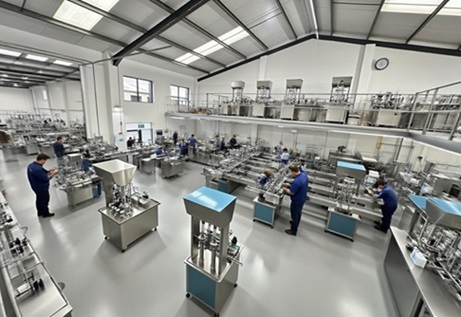
Jar capping and induction sealing are normally sequential operations for a compatible screw-cap pack. The capper places and tightens the foil-lined closure so the liner is held evenly against the container finish. The capped jar then passes beneath an induction-sealing head, where the approved foil layer is heated and bonds to the compatible sealing surface after the pack leaves the field and cools.
The cap must be square, correctly threaded and applied within the pack owner’s validated closure conditions so the liner contacts the finish as intended.
Sealer setup depends on the container, cap, liner, line speed, head position and product. A setting cannot be transferred safely from an unrelated pack.
Check the seal using the approved method at the process stage where the bond and pack condition can be assessed meaningfully.
| Pack element | What must be confirmed | Why it matters |
|---|---|---|
| Jar or container | Material, finish geometry, sealing land, wall stability and supplier approval for the liner system. | The foil needs a compatible surface and a consistent finish to form the intended bond. |
| Cap | Continuous-thread closure, liner retention, cap depth and material compatible with the induction system. | The cap holds the liner against the finish during sealing and must tolerate the process without distortion. |
| Foil liner | Sealant layer, backing construction, peel behaviour and compatibility with container and product. | Different liner structures are designed for different pack materials, opening behaviour and product contact requirements. |
| Product and fill | Product contact, fill temperature, contamination of the sealing land, headspace and movement in transit. | Product on the finish or unsuitable thermal conditions can affect closure contact and seal performance. |
| Cap application | Square placement, thread engagement and the approved application condition. | Uneven liner pressure can produce an inconsistent seal even when the induction sealer is operating. |
| Line conditions | Speed range, jar spacing, head height, conveyor stability, stops, restarts and cooling before inspection. | The pack must receive the validated process consistently during normal and abnormal line events. |
Vacuum or steam-flow twist-off systems are a different closure route. A conventional foil-lined continuous-thread induction process should not be assumed for a metal lug lid.
Review twist-off cappingSome glass packs may use specialised compatible closure and liner systems, but the jar, finish, cap and liner suppliers should confirm the complete construction before machinery trials.
Review glass-jar cappingA sealer cannot compensate for product on the sealing land, damaged finishes, poorly seated caps or a liner that is not compatible with the pack.
Check closure compatibilityDownload the jar induction-sealing checklist CSV
Send the complete pack construction, line layout and acceptance method so Lancing can review cap application, conveyor handling, sealing-head location and downstream checks together.
Discuss capping and induction sealingNo. The lined screw cap must normally be placed and tightened first so the foil contacts the finish correctly. Induction sealing then activates the compatible liner downstream.
Cap application can affect liner contact and pressure, so it should be part of the validated pack setup. Excessive or insufficient application is not corrected simply by increasing induction energy.
Do not assume so. Metal lug or twist-off closures are commonly specified around a different vacuum or thermal process. Confirm the exact closure construction with its supplier and select machinery for that closure route.
Some specialised glass-pack systems may be possible, but compatibility depends on the jar finish, cap and liner construction. Obtain supplier confirmation and trial the complete production pack before specifying equipment.
It normally sits after the lined screw cap has been applied and before the final seal inspection or downstream packing stage. Allow the layout needed for jar spacing, head access, stops, cooling and rejection.
Supply production jars, caps and liners, the supplier specifications, product or a safe representative, fill conditions, normal speed range and the method used to accept or reject the finished seal.
Further technical background: see the induction cap-sealing basics published by Enercon Industries and Lancing's specialist induction sealing website.
Send your jar, lid, product and target output. Lancing will help you identify a practical machine route and the samples needed for confirmation.