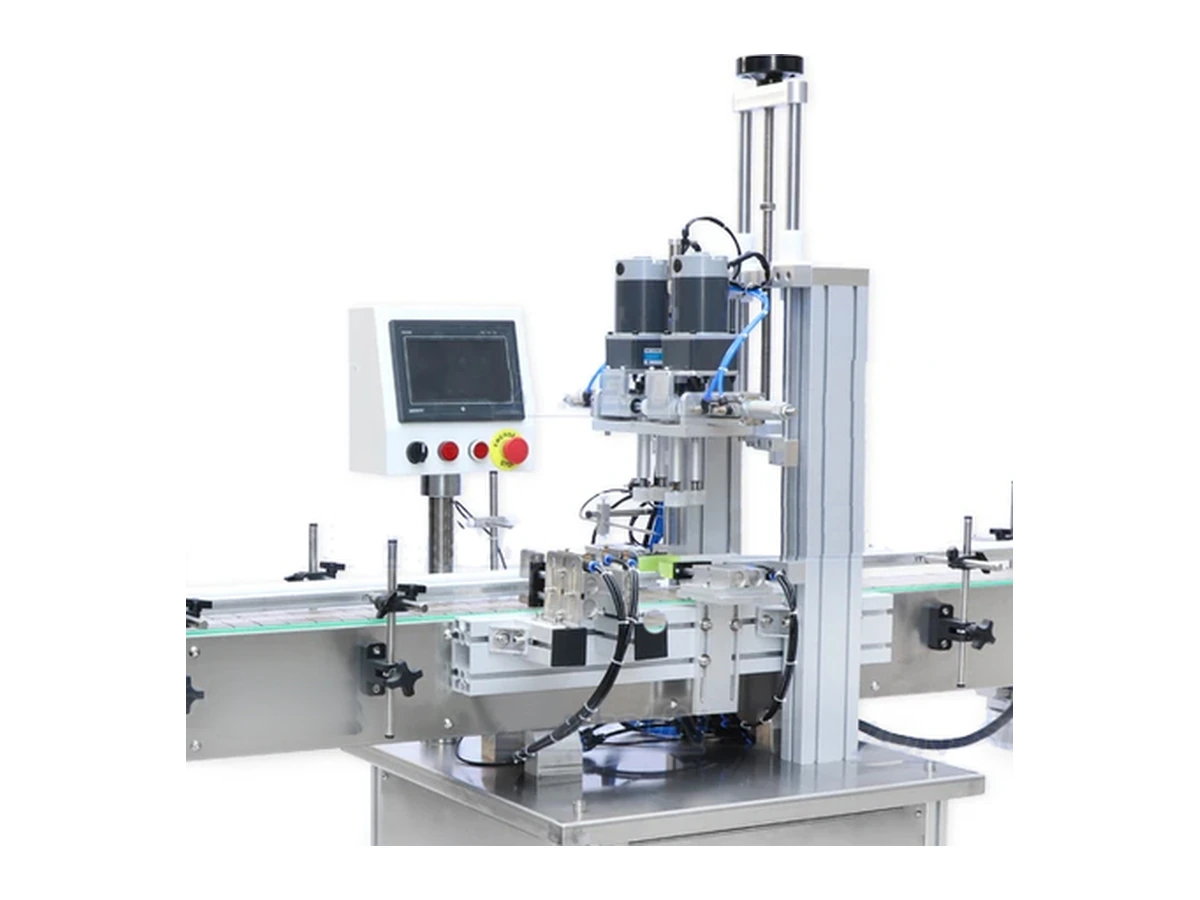
Semi-automatic plastic jar capper
Operator-assisted tightening with controlled jar clamping for flexible batches.
Explore this option
Plastic jars can flex or rotate during capping. A suitable machine balances grip and torque so the lid is applied consistently without crushing the body or marking the pack.
Start with real samples. Your jar, lid and target output provide a more reliable recommendation than choosing by model number alone.
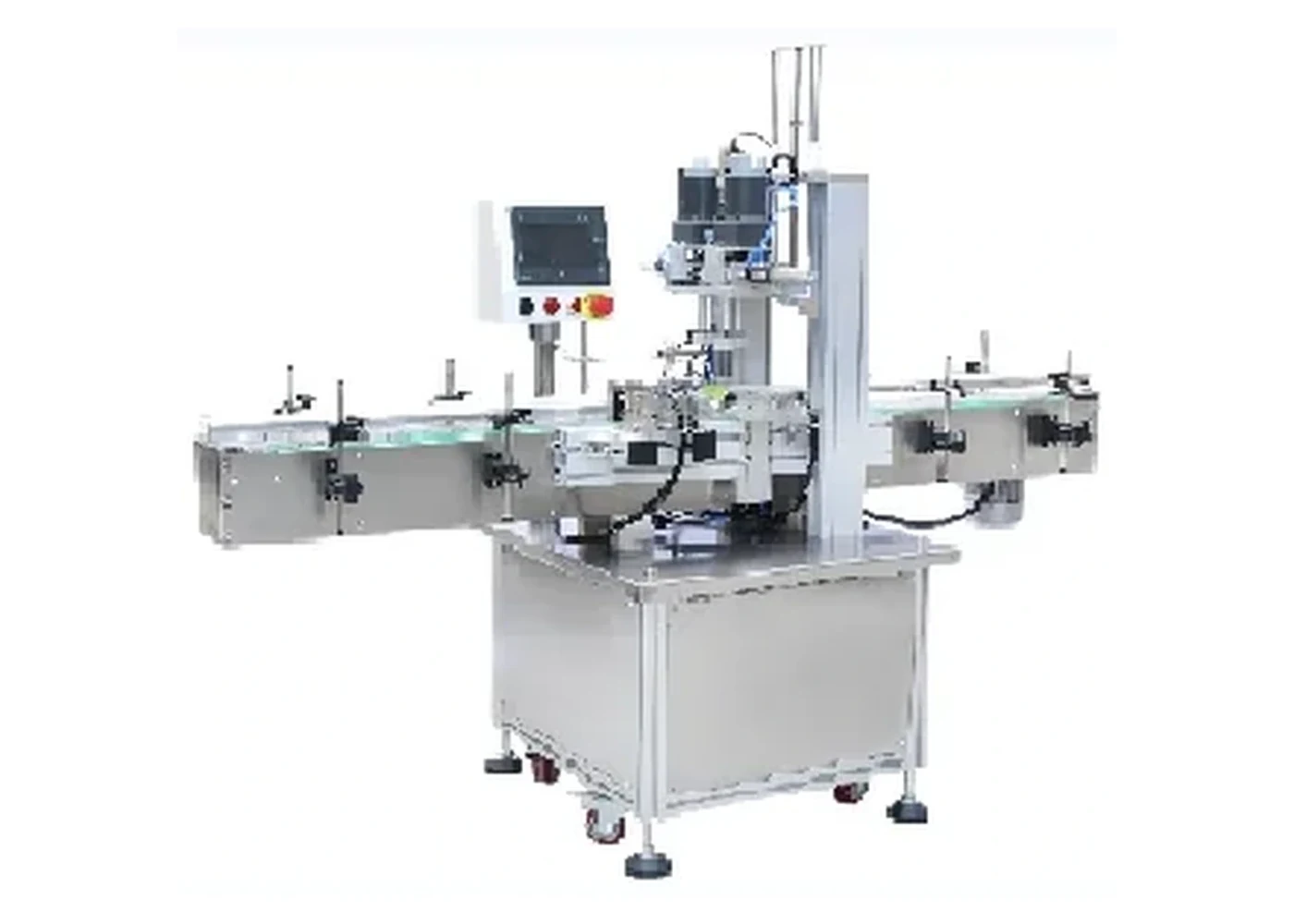
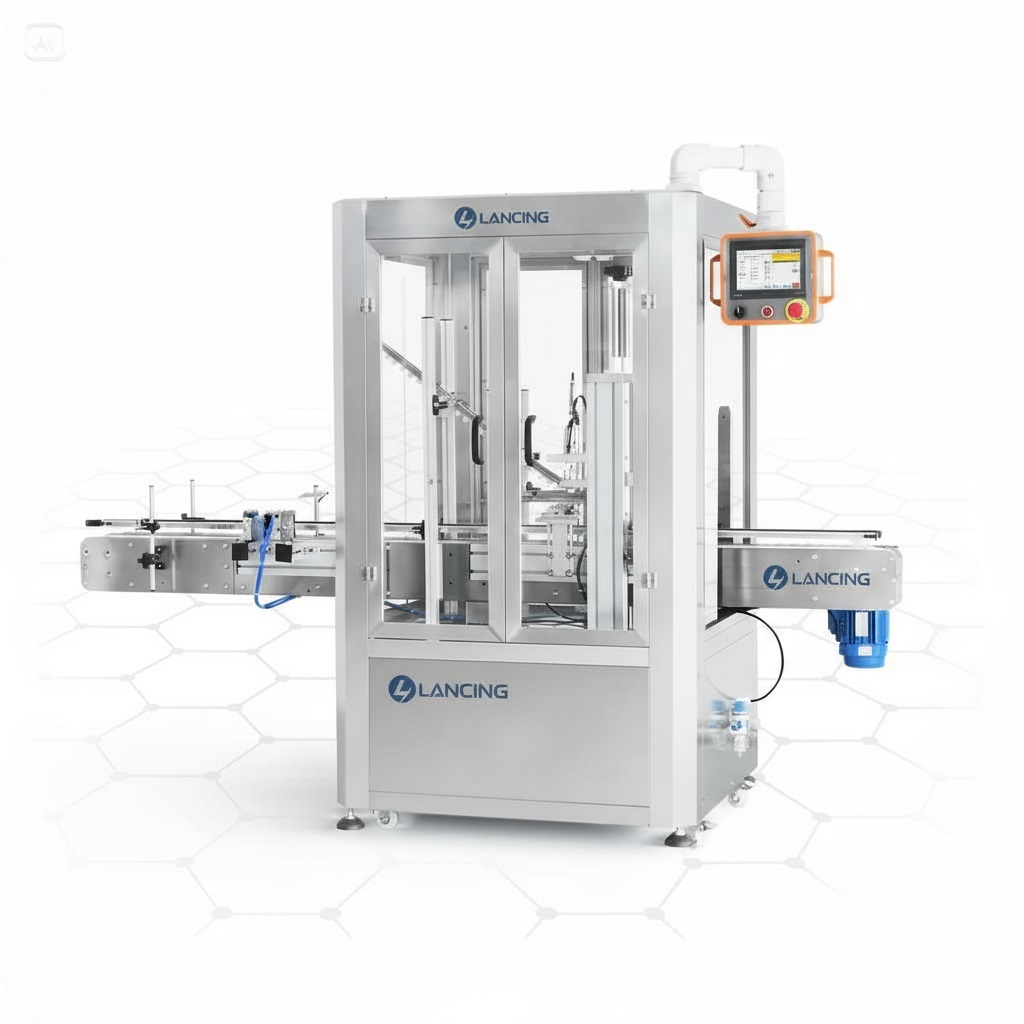
Semi-automatic chuck cappers suit varied batches, while compact inline and spindle systems can increase output for stable approved formats.
Operator-assisted tightening with controlled jar clamping for flexible batches.
Explore this option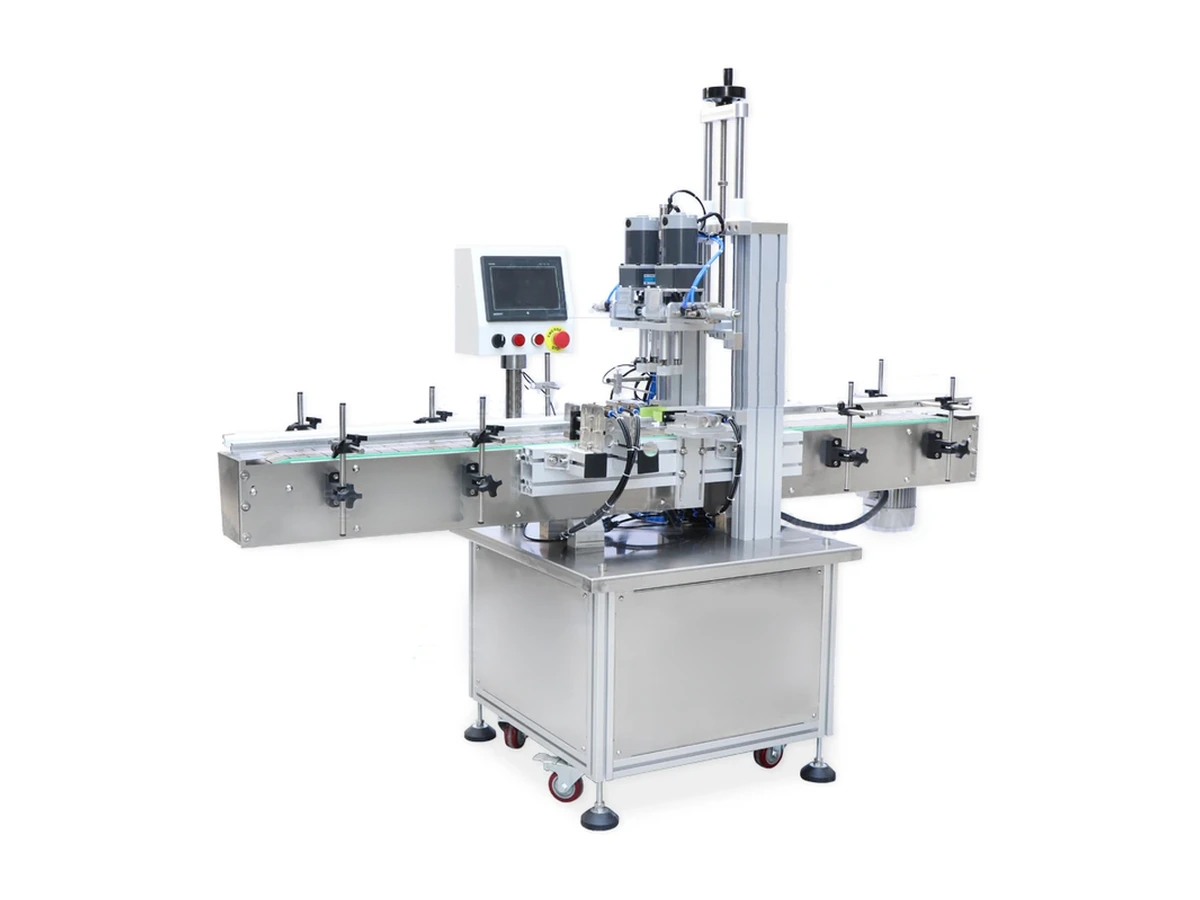
Inline tightening with adjustable guides for approved plastic jar and lid formats.
Explore this option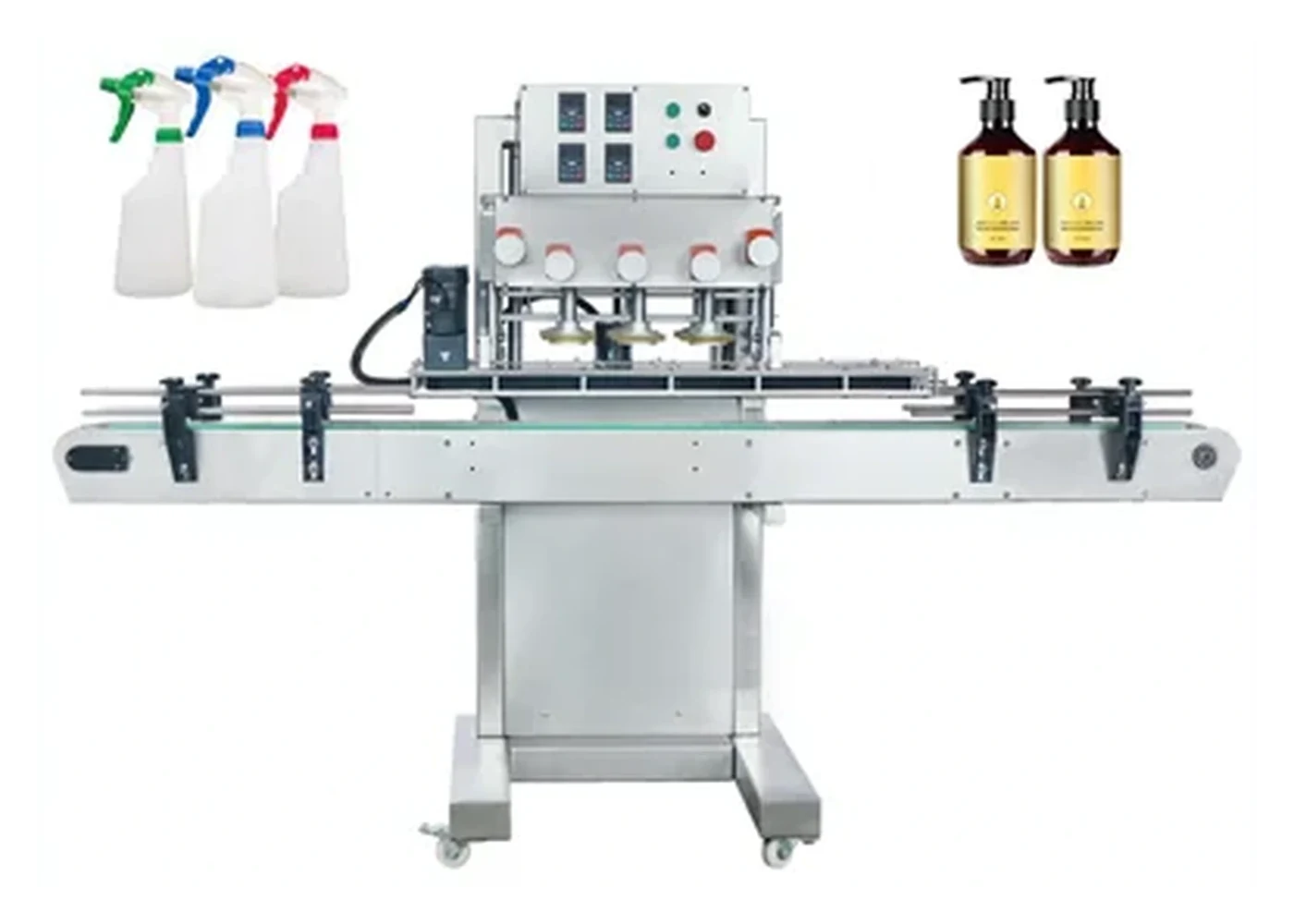
Assess diameter, skirt, grip, torque, marking and feeding behaviour for larger jar lids.
Explore this optionThin-wall PET, HDPE and PP containers respond differently to side pressure and torque. Filled samples provide the most representative test condition.
| Input | Why it matters | What to provide |
|---|---|---|
| Jar stiffness | Too much pressure can ovalise or crush the body. | Empty and filled jars at normal production temperature. |
| Contact area | Guides and belts should avoid scuffing labels or decorative surfaces. | Artwork zones, label position and acceptable marks. |
| Thread quality | Flexible necks and moulding variation can increase cross-threading. | Samples from normal and difficult production batches. |
| Torque | Over-tightening may distort the lid or jar; under-tightening can leak. | Target range, test method and liner details. |
Do not test only empty plastic jars when the filled product materially changes stiffness, weight or centre of gravity.
Indicative dimensions and speeds are screening information, not an acceptance test.
Suitable clamps, side belts, anti-rotation fixtures or guided handling hold the jar while limiting deformation.
Possibly, but the lids should be tested for nesting, weight distribution, marking and track stability.
A platform may cover both after trials and approved settings, but wall strength and guide pressure can differ substantially.
Some threaded plastic-jar packs use a foil liner that is activated by an induction sealer after the screw cap has been applied. Compatibility depends on the jar material and finish, cap construction, liner sealant, product and required opening behaviour.
The capper must place the closure squarely and maintain the approved liner contact. The downstream sealer cannot correct a cross-threaded cap, contaminated sealing land or incompatible liner. Use supplier-confirmed components and trial the complete production pack.
Send your jar, lid, product and target output. Lancing will help you identify a practical machine route and the samples needed for confirmation.