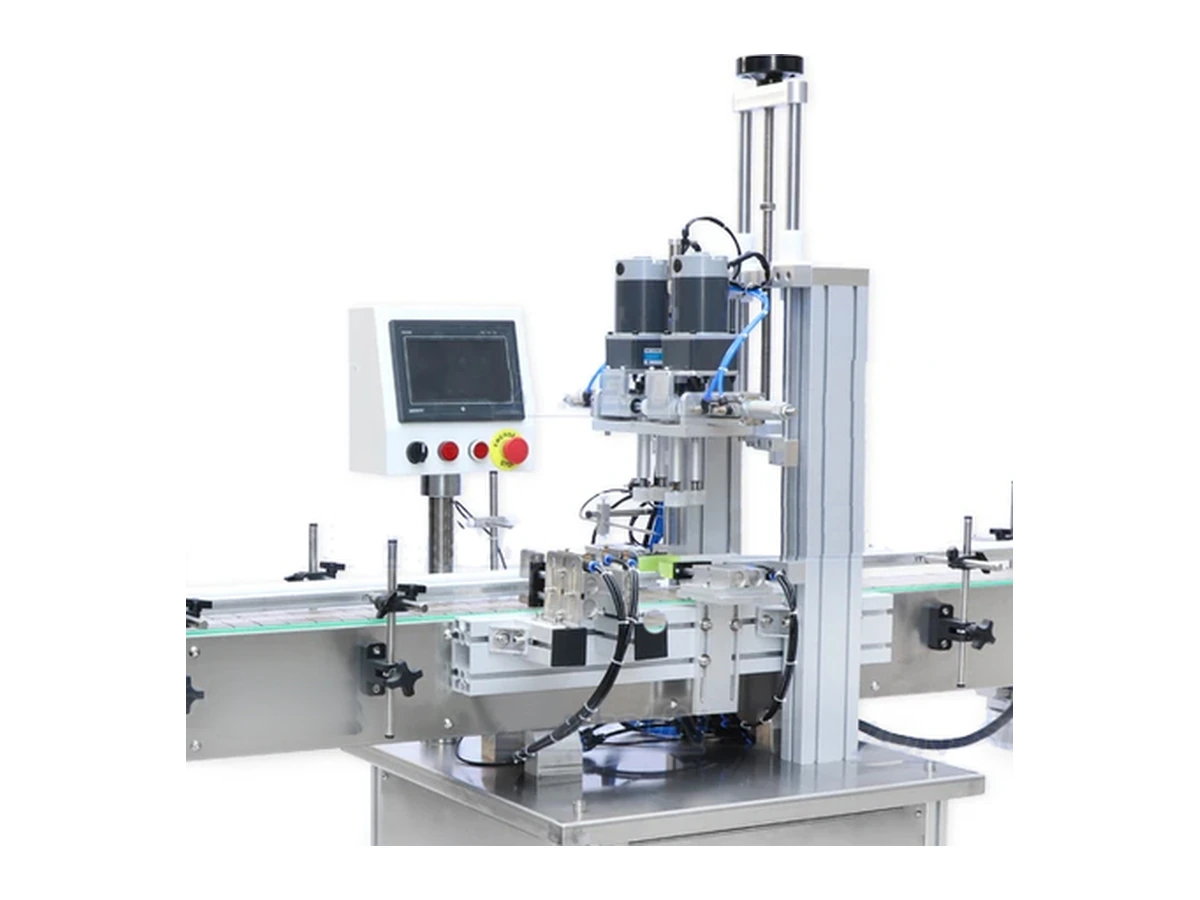
Semi-automatic cosmetic jar capper
Controlled batch capping with manual lid placement and closure-specific contact tooling.
Explore this option
Cosmetic jars often combine wide smooth closures, decorative finishes and low-profile containers. The capper must achieve repeatable closure without visible marking or container distortion.
Start with real samples. Your jar, lid and target output provide a more reliable recommendation than choosing by model number alone.
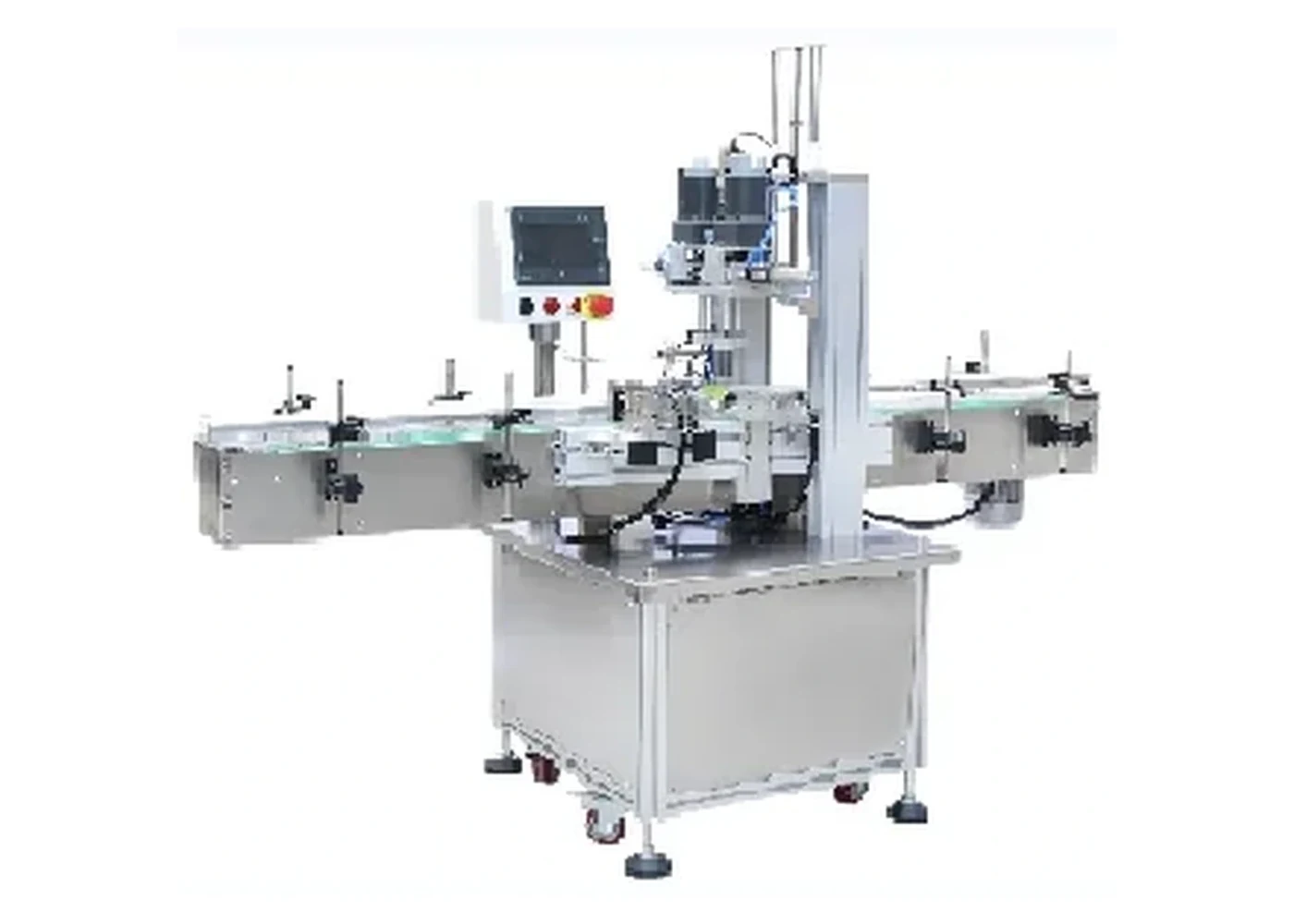
Premium surfaces can show scuffs from hard tooling or uncontrolled cap contact. Jar support, chuck lining and cap presentation should be tested against the agreed cosmetic standard.
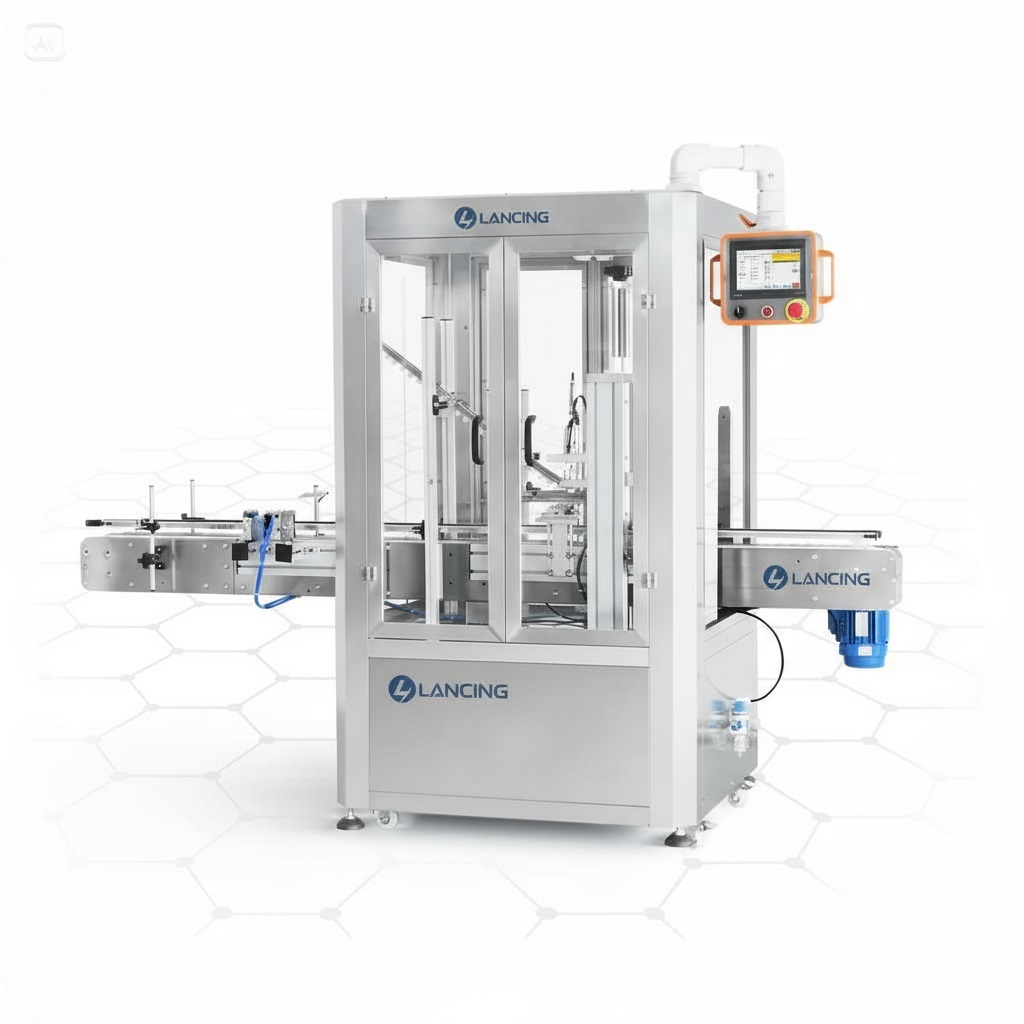
A semi-automatic chuck can suit premium short runs, while automatic inline equipment can support repeat volume where lid placement and handling are proven.
Controlled batch capping with manual lid placement and closure-specific contact tooling.
Explore this option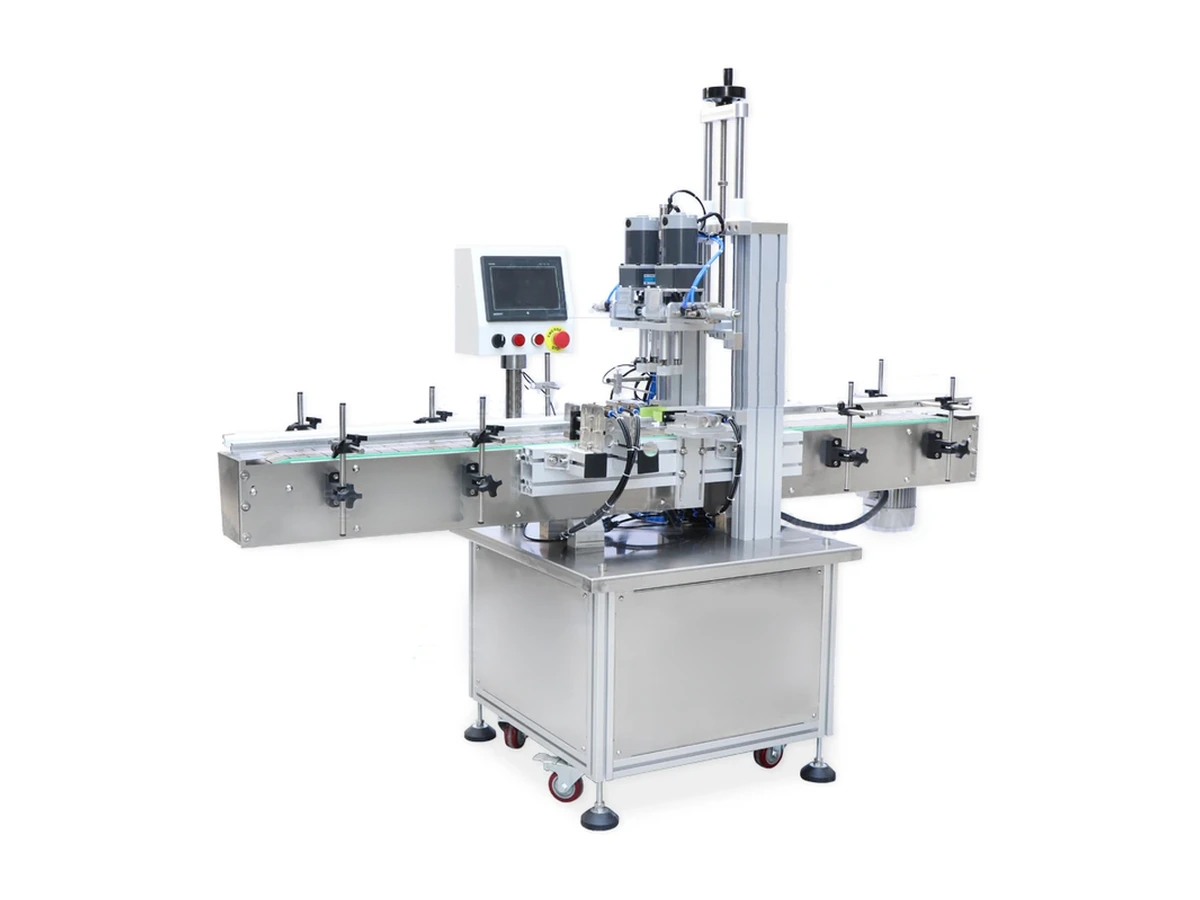
Inline capping for approved cosmetic jar formats and repeat production.
Explore this option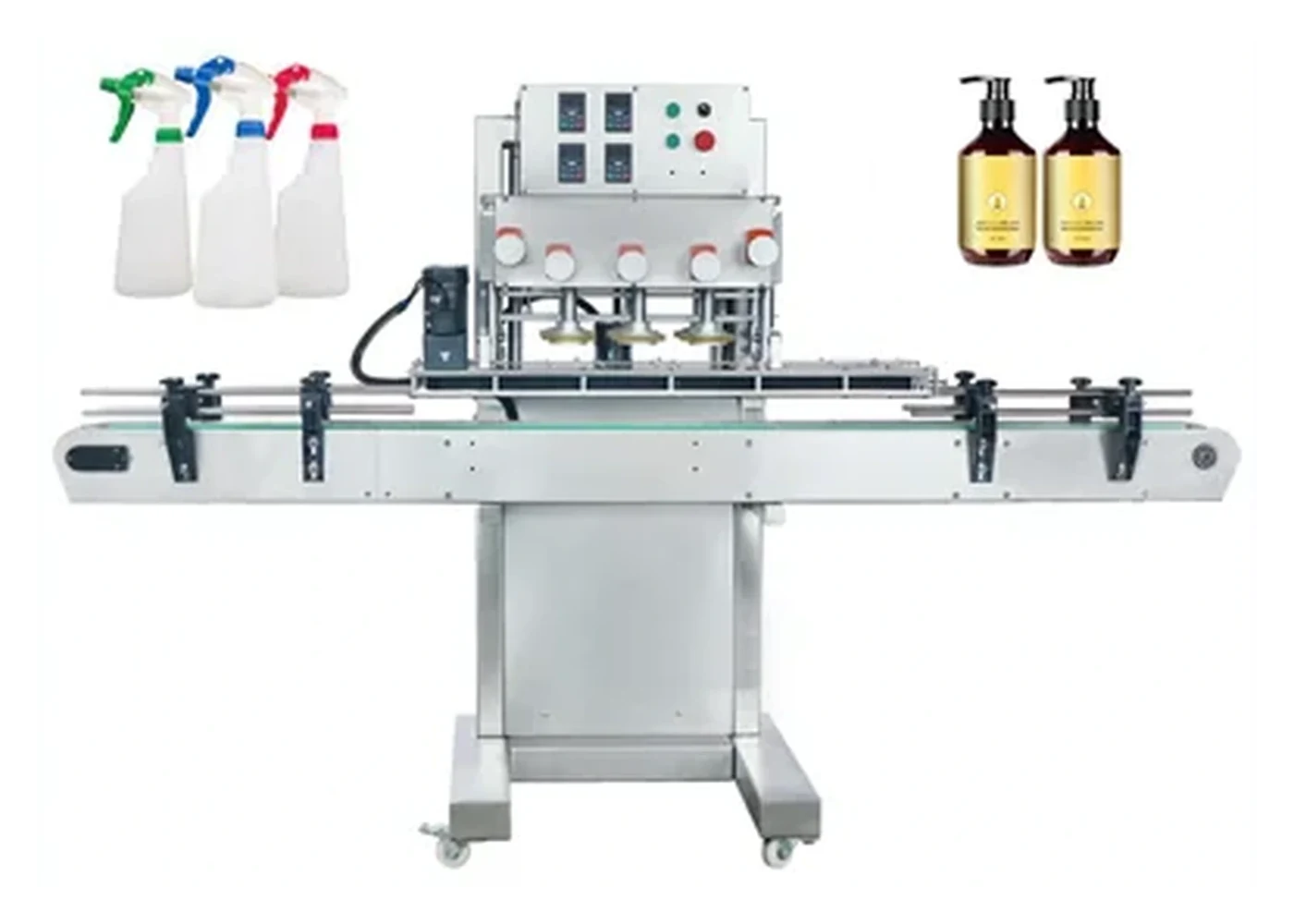
Review leverage, grip, marking, feeding and torque issues specific to larger closures.
Explore this option| Control point | Why it matters | Useful evidence |
|---|---|---|
| Surface marking | The pack may be functionally closed but commercially unacceptable if scuffed. | Approved visual standard under defined lighting. |
| Cap alignment | Wide low-profile lids make tilt and uneven gaps visible. | Cap-height and parallel-gap criteria. |
| Torque | Over-tightening can distort jars or make the product difficult to open. | Application/removal limits and conditioning time. |
| Inner components | Discs, liners or membranes can affect seating and final cap height. | Complete assembled pack components. |
The packer remains responsible for product, process, hygiene and shelf-life validation.
Send production-quality decorated lids, jars, inner discs or liners, filled-weight samples and examples that define the acceptable cosmetic finish.
Include normal production samples rather than only hand-selected perfect components.
Where several decoration suppliers are used, test representative finishes because friction and scuff resistance may vary even at the same dimensions.
Closure-specific chucks or contact materials can spread grip and reduce scuffing, but the finish must be trialled to an agreed visual standard.
Yes, provided the drive, chuck and control are appropriate and the final seal remains reliable. Wide diameter increases leverage.
Potentially with approved change parts and settings, but support pressure, grip and cap height should be validated for each format.
For a cosmetic cream jar, separate the visible finish from the closure checks. Prepare photographs showing acceptable and unacceptable marks on the lid, skirt and jar body. Describe the viewing conditions used by your own quality team so a trial review does not depend on a different interpretation of a small scuff.
Include the presentation in which jars actually reach capping. A loose inner disc, protective film or partly assembled lid needs to be identified in the process brief. Keep any decorative cap variants distinct even when their nominal thread is shared.
No. Appearance and closure performance need their own agreed checks; one result should not substitute for the other.
Include each intended finish in the review where its handling or appearance requirements differ.
Send your jar, lid, product and target output. Lancing will help you identify a practical machine route and the samples needed for confirmation.