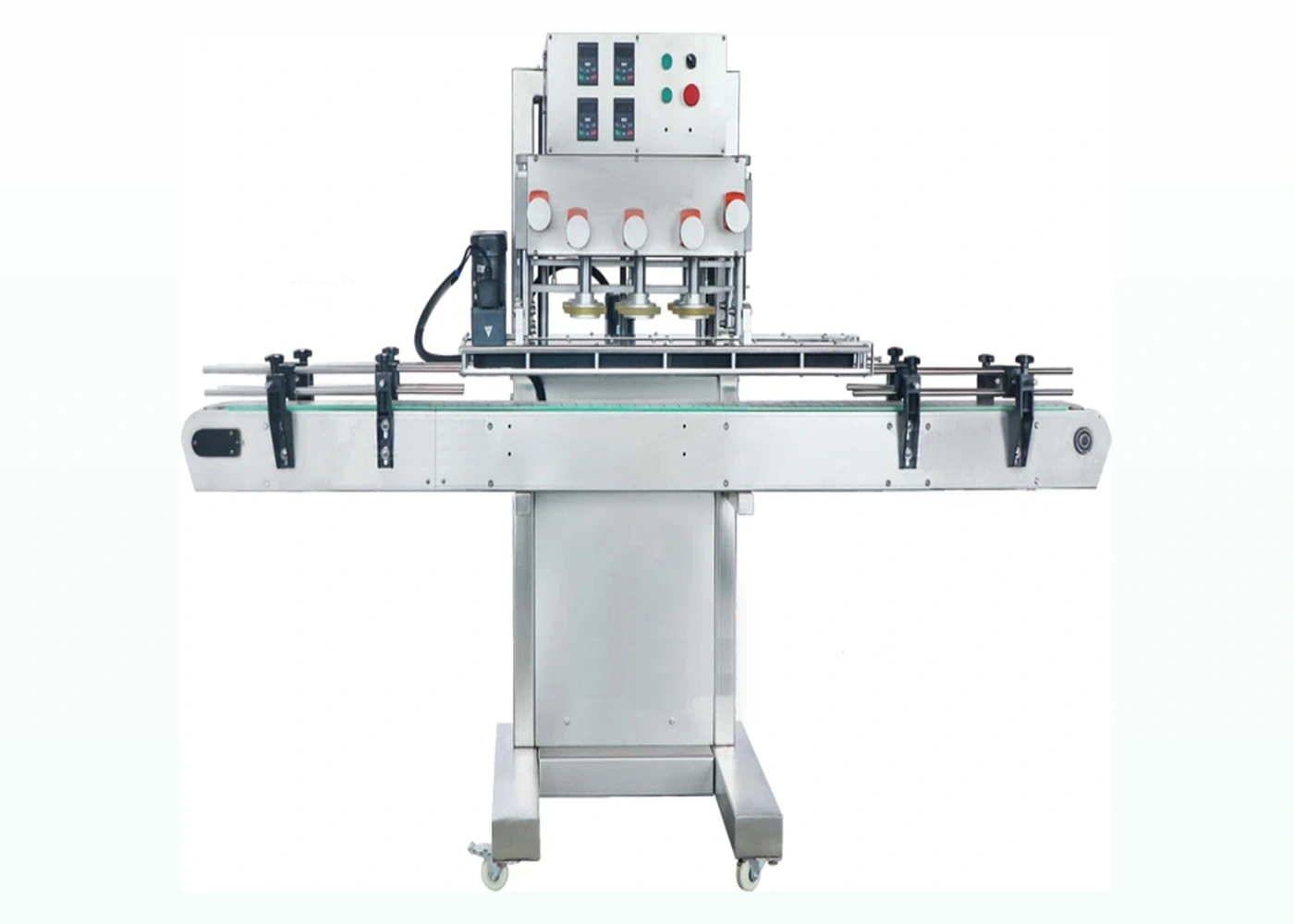
How to choose a jar capping machine
A closure-led selection method covering jars, lids, automation, output and integration.
Explore this option
Use these guides to prepare a better machinery enquiry, compare closure routes, define torque and vacuum checks, estimate sustained output and troubleshoot an existing jar capping process.
Start with real samples. Your jar, lid and target output provide a more reliable recommendation than choosing by model number alone.
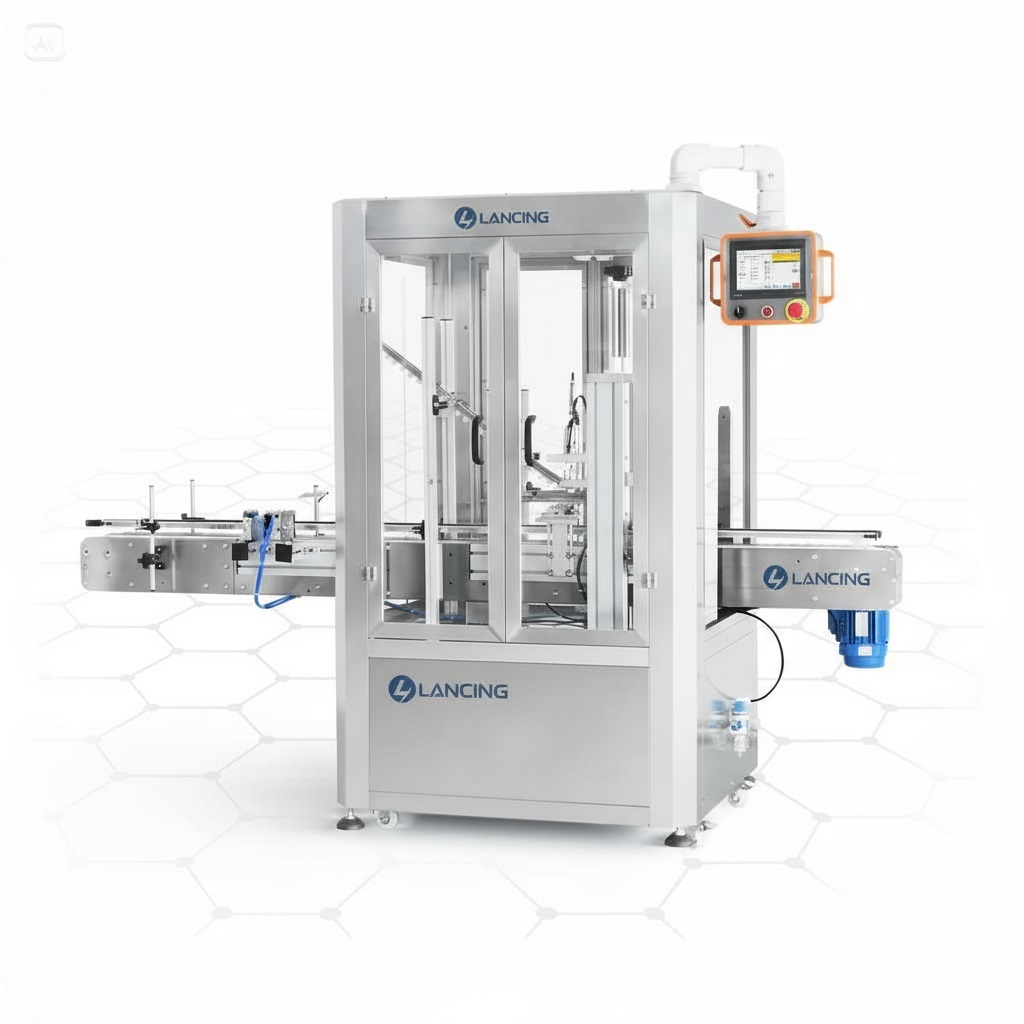
A closure-led selection method covering jars, lids, automation, output and integration.
Explore this option
Application torque, removal torque, test timing and process control for threaded lids.
Explore this option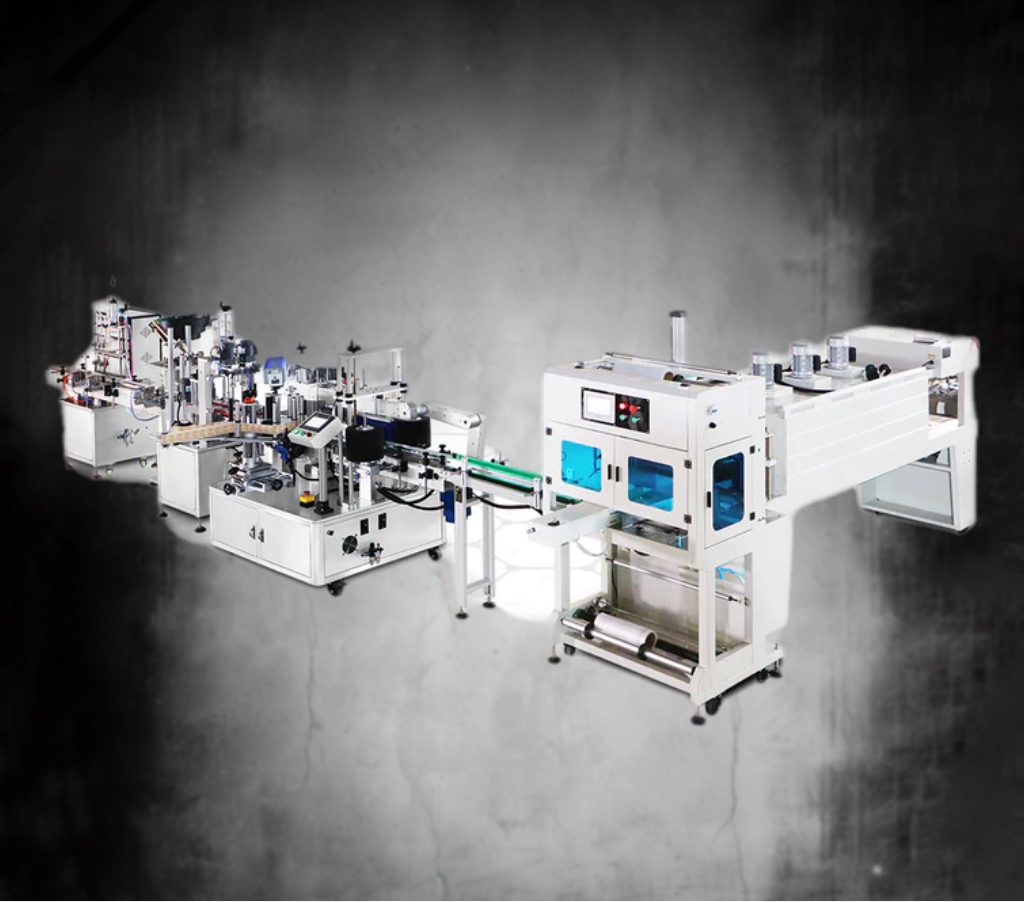
Convert cycle speed into realistic sustained capacity with cap feeding and changeovers.
Explore this option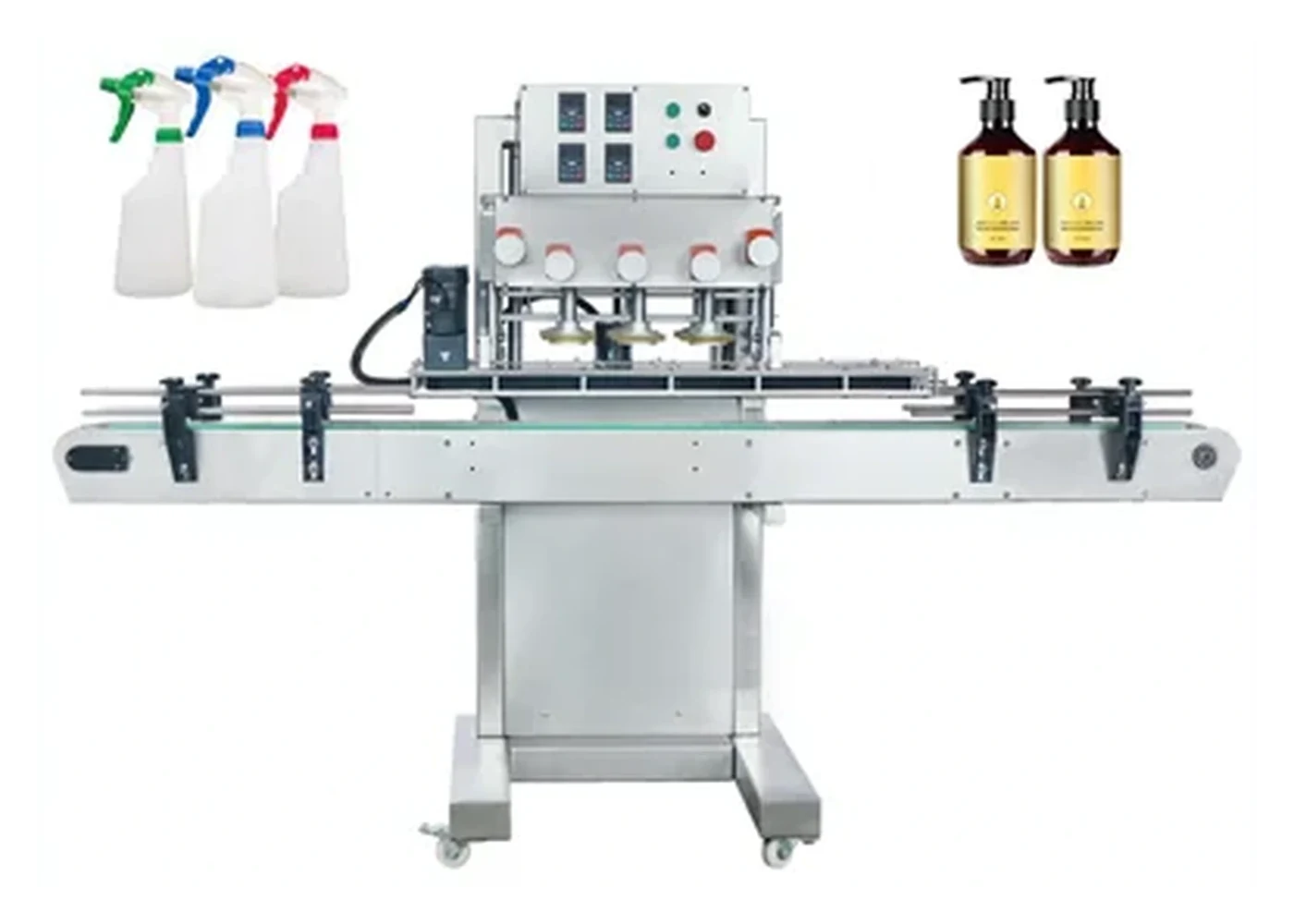
Grip, marking, skirt deflection, leverage and feeding checks for larger jar lids.
Explore this option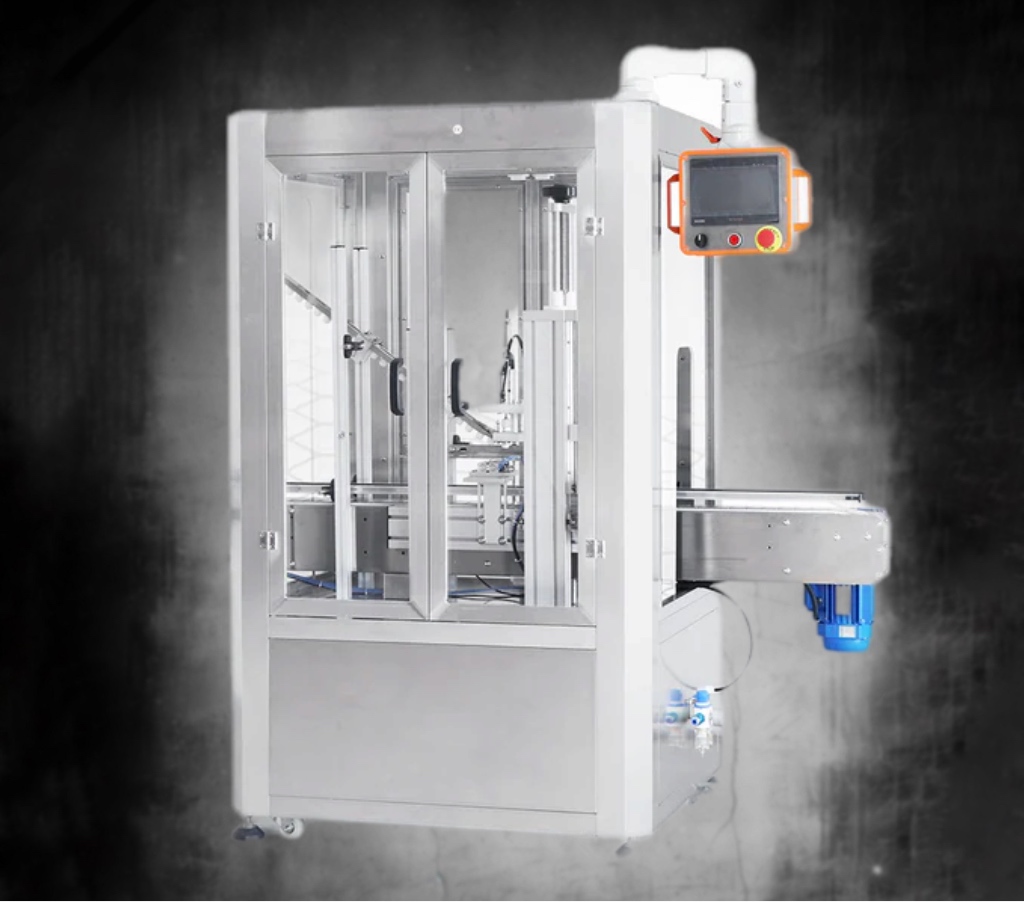
A structured approach to low torque, high torque, crooked lids, leaks and poor vacuum.
Explore this option
A printable information sheet for jars, lids, product, output, utilities and acceptance tests.
Explore this option“We need a machine to cap jars” leaves the most important variables undefined. A stronger brief identifies the closure family, full format range, product conditions, sustained output, quality limits and line interfaces.
Photographs, drawings, samples, current torque or vacuum data and short videos of the present process can reduce assumptions during the first machinery review.
Know the closure type, jar range, target output, cap presentation method, seal acceptance, product condition and available line space.
Samples reveal real friction, finish variation, nesting, marking, cross-thread risk and container stability that drawings may not capture.
No. The machine must first apply the correct closure reliably. Then output can be assessed with the complete feeding and handling method.
These jar-specific guides define the evidence needed to approve threaded, twist-off and vacuum closures.
Combine torque, vacuum, button, cap-height, leak and visual checks in one traceable method.
Read the guideRecord product temperature, headspace, cooling time, instrument, button state and vacuum result consistently.
Read the guideDefine sample lots, formats, changeover, sustained output, defects and signed evidence before the trial begins.
Read the guideThese resources cover the project questions that usually sit between an initial machinery shortlist and a production-ready installation.
Manual vs semi-automatic vs automatic
The jar-capping question centre groups machine, closure, vacuum, handling, hygiene, safety and acceptance questions by the decision a buyer needs to make.
Understand the complete capping sequence and the difference between continuous-thread and twist-off closures.
Separate torque from vacuum and compare the main vacuum-creation routes without treating one measure as proof of every seal condition.
Review jar stabilisation, food hygiene, cleaning access, guarding and safe interaction with the complete packaging line.
Use the hub to move from a concise answer to the detailed machine, process or acceptance page that owns the topic.
Browse jar-capping questionsThese guides cover two buyer tasks that sit between selecting a capper and proving dependable production: preventing failed lids entering good output and explaining why the line lost time or quality.
Choose between presence, height, alignment, profile, button, vacuum, torque and leak checks; define reject confirmation and fail-safe behaviour.
Open the inspection guideSeparate availability, running performance and quality; use a loss-coded log and the on-page calculator to prepare a sustained-output discussion.
Open the downtime guideBring reject samples, stop reasons, cap-refill records, accepted-output counts and the format that creates the most downtime.
Discuss the evidence with LancingThese two resources address buyer decisions that sit between choosing a closure and specifying the complete packaging line.
Compare top-driven chuck tightening with continuous inline spindle wheels, including cap placement, jar control, change parts and acceptance evidence.
Open the machine comparisonPlan a compatible foil-lined screw-cap pack from cap application through the induction field, cooling, inspection and rejection.
Open the sealing guideRecord bulk supply, refill, orientation, track flow, handover and placement evidence.
Download the feeder checklist CSVCapture pack compatibility, cap application, line conditions, seal checks and fault challenges.
Download the induction checklist CSVSend your jar, lid, product and target output. Lancing will help you identify a practical machine route and the samples needed for confirmation.