Normal operation
Loading, replenishment, adjustment, observation, reject removal and routine operator access.

A jar-capping project needs a site-specific review of access, moving parts, stored energy, hot surfaces, broken containers, cleaning and interaction with connected machines, supported by suitable guarding, controls, instructions and training.
Use representative evidence. This guide is general project-preparation information and does not replace the supplier’s instructions or the user’s competent risk assessment.
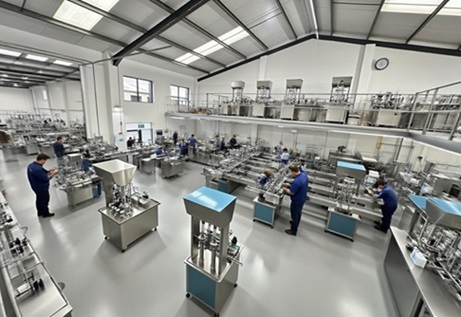
The final installation may include conveyors, feeders, side belts, rejects, guards, compressed air, electrical controls and access points created where machines meet. Those interfaces must be assessed as a complete operating system.
Loading, replenishment, adjustment, observation, reject removal and routine operator access.
Jam clearing, cleaning, changeover, fault finding, maintenance and recovery after a stop.
Start and stop signals, upstream pressure, downstream blockage, common guards and energy isolation.
The supplier must provide equipment and information appropriate to its supply, while the employer or organisation controlling use must ensure the installed work equipment is suitable, safe, maintained and used by trained people.
Responsibility boundaries should be agreed for guarding interfaces, conveyors, electrical and pneumatic connections, modifications and the final line risk assessment. UK HSE guidance explains that PUWER duties apply to people and organisations that own, operate or control work equipment.
See the official HSE PUWER overview.
Guarding should prevent access to dangerous movement during operation while providing controlled, maintainable access for foreseeable tasks.
Routine access may require interlocked doors or other protective measures; infrequent maintenance may use fixed guards and isolation. The design should avoid encouraging operators to reach around, climb over or defeat safeguards to restore production.
HSE’s machinery safety introduction emphasises safe equipment, risk assessment and suitable training.
Isolation planning should consider electrical, pneumatic, vacuum, hydraulic, mechanical, gravitational and thermal energy that could move, release or injure during access.
The actual list depends on the installed machine. Stored air, raised components, spring forces, hot steam pipework and connected conveyors can remain hazardous after a normal stop. The site procedure should define isolation, dissipation, verification and authorised restart.
Record site services in the site-preparation guide.
The change should be reviewed before use to confirm that new hazards, access routes, control interactions and performance effects have been assessed and documented.
Moving a sensor, adding a conveyor, bypassing an interlock, changing speed or introducing a new jar can alter the risk and operating sequence. Update instructions, drawings, training and inspection records as appropriate, and involve competent specialists where the change affects safety functions.
Include modifications in the maintenance and change-control record.
A machine handover should identify which tasks each role may perform, the hazards and stored energy involved, the isolation required, the approved recovery method and the evidence that the person has been trained and assessed for that task.
| Role/task | Training evidence to define | Boundary to make explicit |
|---|---|---|
| Routine operator | Normal start/stop, replenishment, checks, alarms and safe housekeeping. | No access beyond the approved operator task or safeguarding boundary. |
| Format changeover | Change parts, settings/recipe, first-off checks and tool control. | Which adjustments are permitted with power available and which require isolation. |
| Jam or fault recovery | Approved recovery sequence for defined faults and escalation point. | When the machine must be isolated and when maintenance support is required. |
| Cleaning | Cleaning method, chemicals, dismantling, hygiene release and reassembly checks. | Stored energy, sharp/hot parts, guard removal and protection of controls. |
| Maintenance | Isolation/lock-off, safe access, test after work and maintenance record. | Authorised competence for electrical, pneumatic, mechanical and control work. |
HSE guidance explains that PUWER training duties apply to people who use, supervise or manage work equipment. It also requires maintenance to be planned and carried out safely. See HSE training and competence guidance and HSE maintenance guidance.
The employer and other relevant dutyholders must assess the installed machine, combined line, tasks and foreseeable interventions in the actual workplace.
Discuss the machinery scopeSend your jar, lid, product and target output. Lancing will help you identify a practical machine route and the samples needed for confirmation.