Operating method
Train normal start, stop, refill, first-off check, routine inspection and response to common faults. Identify actions that require engineering support.

Factory and site acceptance should test the supplied configuration under documented conditions. The aim is not a ceremonial sign-off; it is a shared record of samples, settings, output, defects, changeovers, interfaces and outstanding actions.
Use production evidence. Final machine selection and acceptance depend on representative jars, lids, process conditions and agreed checks.
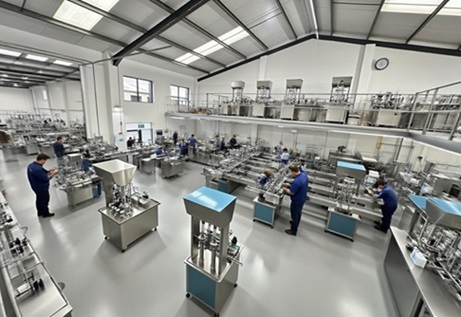
The plan should identify the approved formats, process condition, operator roles, run duration, output basis, quality methods, permissible interruptions and evidence required for sign-off. Undefined acceptance creates disagreement after the machine is built.
| Acceptance item | Define in advance | Record during the test |
|---|---|---|
| Sample set | Jar and lid part numbers, batches, condition, fill or test medium and quantity. | Samples actually used, deviations, rejected components and retained references. |
| Output | Good packs over an agreed run, staffing, replenishment and planned stops. | Start/finish time, good count, rejects, stoppage cause and recovery. |
| Closure quality | Torque, vacuum, button, cap-height, leak, visual or engagement method and timing. | Instrument, sample plan, results, failures, teardown findings and disposition. |
| Changeover | Formats to be changed, starting condition, tools, operator and completion criteria. | Steps, settings, parts, time, first-off checks and any adjustment required. |
| Interfaces | Signals, conveyor transfers, accumulation, emergency stops and fault states. | Tested scenarios, response, reset method and open integration actions. |
FAT is most valuable when the machine is presented in the agreed supply condition with representative jars, lids, tooling, guards and software. It should show how the normal cycle starts, stops and recovers, not only a short uninterrupted demonstration.
Test the smallest, largest and most difficult approved formats where the contract requires them. Include cap replenishment, low-level conditions, jar starvation, downstream blockage and routine reset scenarios relevant to the supplied controls. Record changes made during FAT and whether a repeat test is required.
SAT begins after the equipment is positioned, connected, checked and safe to operate. Confirm line height, flow direction, access, utilities, extraction or services, upstream/downstream signals and the actual production component supply.
Where product or hot-fill conditions materially affect the closure, the site run should use the approved process or a formally agreed equivalent. The pack owner remains responsible for product, food-safety, thermal-process and shelf-life validation; machine acceptance does not replace those controls.
Record any site dependency that prevents completion, such as unavailable product, unstable incoming jars, incomplete controls or missing utilities, and assign a clear owner and retest method.
Train normal start, stop, refill, first-off check, routine inspection and response to common faults. Identify actions that require engineering support.
Label change parts, record settings, verify tool use and require a first-off closure check before production release.
Review cleaning boundaries, inspection points, lubrication where specified, wear parts, backup settings and escalation routes.
Commissioning should finish with an agreed status: accepted, accepted with listed actions, or awaiting a defined retest. Avoid open-ended notes such as “machine to be improved” without a measurable completion criterion.
Use the site-preparation guide and procurement specification guide before agreeing the acceptance test.
Discuss an acceptance scope with LancingFAT tests the configured equipment before dispatch. SAT tests the installed system in the customer’s site environment, including utilities, transfers, interfaces and the agreed production condition.
Use the formats identified in the contract and acceptance plan, including challenging approved samples where required. Record part numbers, batches and any deviation from production material.
The test should use an agreed good-pack output basis and defined run conditions. A short isolated cycle does not prove sustained production performance.
The pack owner should define the required torque, vacuum, leak, cap-height, button or other release method, with Lancing confirming how the machine trial will demonstrate it.
No. Commissioning proves and adjusts the installed process; training transfers the approved operating, changeover, inspection and fault-response methods to the nominated team.
Send your jar, lid, product and target output. Lancing will help you identify a practical machine route and the samples needed for confirmation.