Setup samples
Allow enough jars and lids for tooling, guides, cap presentation, sensor and control setup without consuming the acceptance quantity.

Define samples, formats, process conditions, sustained output, closure checks, defects, changeover and evidence before the machine demonstration begins.
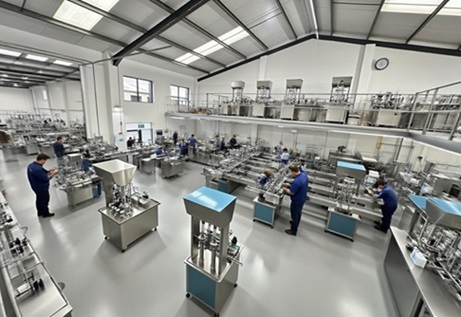
A useful trial can confirm that the proposed machine handles the agreed jars and lids, applies the closure repeatably, supports the required quality checks and runs at an agreed condition. It can also expose feeding, stability, marking and changeover risks.
It does not by itself validate product safety, microbiology, thermal processing, legal compliance or shelf life. Record those boundaries in the acceptance plan.
Allow enough jars and lids for tooling, guides, cap presentation, sensor and control setup without consuming the acceptance quantity.
Keep a separately identified quantity for the sustained run, quality measurements, destructive checks and changeover.
Reserve passing, marginal and failed packs with component-batch identity for teardown, photographs and later comparison.
Use production components from normal batches. Where product, temperature, filled weight or headspace affect the result, reproduce the intended condition or document the limitation of any substitute.
| Requirement | Define before the trial | Evidence |
|---|---|---|
| Closure application | Square placement, thread or lug engagement, cap height and visual standard. | Measured samples, photographs and failed-pack teardown. |
| Torque or vacuum | Type, instrument, units, sample size, timing, limits and retest rule. | Raw results linked to sample and component batches. |
| Leak or hold | Method, duration, orientation and failure definition. | Result log and retained failures. |
| Cosmetic quality | Acceptable scuffing, dents, cap marks, jar marks and artwork contact zones. | Approved reference samples under defined lighting. |
| Safety and access | Guarding, stops, restart, clearing, replenishment and operator tasks included in the trial. | Observed sequence and open-action list. |
Agree the elapsed run time and whether normal minor stops, cap refills and operator checks are included. Record jars entered, good jars, rejects by category and every interruption with its source and duration.
Report running speed and sustained good output separately. Do not convert a short uninterrupted burst into a shift capacity without efficiency and changeover assumptions.
Link the report to the quotation and final configuration. State which jar, lid, liner, product and process conditions were approved. A later change in components, fill temperature, headspace, torque or vacuum method may require review or re-trial.
The quantity depends on setup, the number of formats, sustained-run duration, quality sampling, destructive tests and retained evidence. Agree the quantity before samples are shipped.
Use the condition that represents production. Filled weight, product residue, temperature and headspace can change handling and closure performance. Empty jars may still be useful for setup.
A criterion should state the sample condition, method, units, limits, sample size, timing and response to a failure. Examples can include torque, vacuum, cap height, leak, visual defects and sustained good output.
Yes when flexibility is part of the purchase decision. Define the two formats, change parts, starting condition, first-off checks and what ends the timing.
It can show the machine action, but sustained output should include normal cap replenishment, operator tasks, minor stops, rejects and the surrounding line conditions agreed for the trial.
The supplier and customer should identify authorised approvers. Product-process, food safety, shelf-life and statutory approvals remain with the responsible customer functions.
Send your jar, lid, product and target output. Lancing will help you identify a practical machine route and the samples needed for confirmation.