Sample review & trials
Assess production jars, lids and process information, then agree trial conditions and acceptance checks for the proposed machine route.

Machinery performance depends on the project process around it. Define samples, acceptance, site interfaces, operator training, spares and support before delivery.
Start with real samples. Your jar, lid and target output provide a more reliable recommendation than choosing by model number alone.
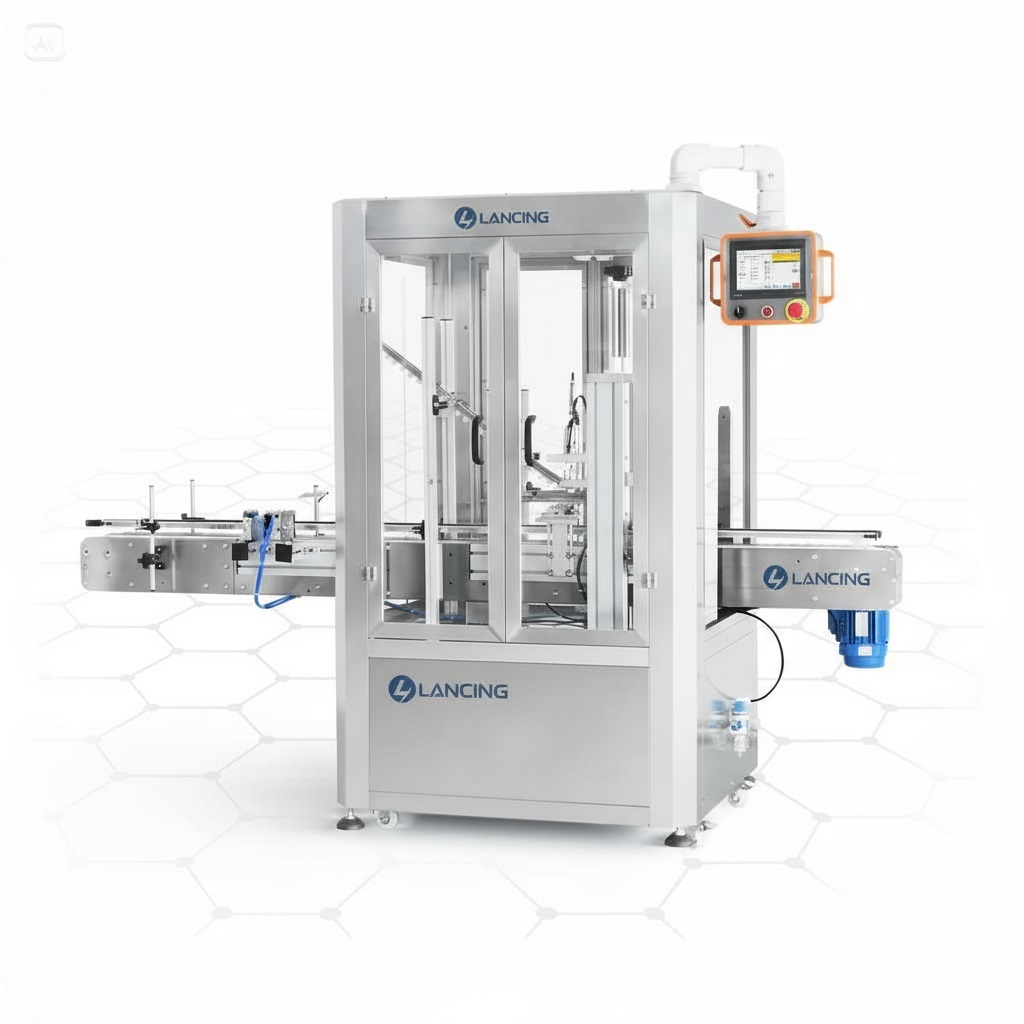
Assess production jars, lids and process information, then agree trial conditions and acceptance checks for the proposed machine route.
Plan access, unloading, utilities, guarding, conveyors, control interfaces, test product, staffing and site acceptance responsibilities.
Define operator training, maintenance information, recommended wear parts, technical support routes and any ongoing service requirements.
Confirm floor, access route, door dimensions, lifting, electrical and air services, conveyor interfaces, guarding zones, operator space and the party responsible for each integration task.
Retain tooling lists, setup photographs and approved settings for every jar and lid.
Define test equipment, frequency, limits and reaction plan for closure faults.
Inspect contact parts, guides, belts, chucks, sensors, air preparation and cap-feed tooling.
Review new component suppliers, materials or dimensions before routine production.
Trial scope can be agreed using representative production samples and defined output and quality checks.
Installation and commissioning scope depends on the machine and quotation. Confirm site readiness, utilities, access, interfaces and responsibilities before delivery.
A useful first review includes machine details, settings, fault samples, component batches, test results and a video of the process.
Identify jar and lid batches, product or representative fill, format extremes and the number of samples needed for setup, sustained running, measurement and retention.
State output, reject categories, torque/vacuum or other closure checks, visual standard, stop log, changeover scope and any open actions.
Retain change parts, guide positions, head or wheel settings, feeder tooling, control settings and first-off results for the approved format.
A trial can demonstrate machine capability on the agreed samples. It does not replace the product owner’s process validation, microbiological work, shelf-life study or statutory responsibilities.
| Stage | Customer evidence | Planning resource |
|---|---|---|
| Specification | Format matrix, process, output, quality checks and supply boundary. | Procurement specification guide |
| Pre-installation | Layout, access, utilities, interfaces, samples and site responsibilities. | Site-preparation guide |
| Acceptance | FAT/SAT samples, run basis, defects, changeover and closure checks. | FAT, SAT and commissioning guide |
| Operation | Approved settings, cleaning, maintenance, change parts and fault history. | Maintenance and changeover guide |
Send your jar, lid, product and target output. Lancing will help you identify a practical machine route and the samples needed for confirmation.