Electrical
Supply, isolation, protective arrangements, cable route and connection responsibility must match the machine documentation and site standards.

Site preparation converts the approved machinery layout into verified access, services, interfaces and responsibilities. Exact electrical, air, extraction and floor requirements must come from the final machine specification.
Use production evidence. Final machine selection and acceptance depend on representative jars, lids, process conditions and agreed checks.
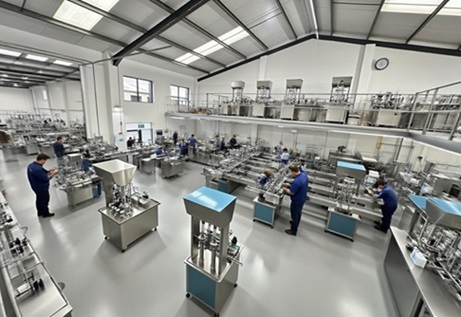
A machine footprint alone is not a site plan. Include conveyors, lid feeder, guarding, doors, control panels, service zones, operator position, format-part handling, cleaning access and the route used to remove components for maintenance.
| Layout check | Information required | Risk if omitted |
|---|---|---|
| Line flow and height | Infeed/outfeed direction, conveyor datum, jar transfer and accumulation points. | Unstable transfers, rework to stands or inability to connect to existing equipment. |
| Operating clearance | Normal loading, lid refill, inspection, reject handling and operator movement. | Restricted access, unsafe workarounds or reduced sustained output. |
| Maintenance clearance | Guard opening, tool withdrawal, motor or panel access and lifting route. | Longer downtime or inability to service components in position. |
| Cleaning and drainage | Cleaning method, splash zones, floor condition and waste route. | Incompatible cleaning, trapped residue or damage to equipment. |
| Future interfaces | Planned filler, labeller, coder, inspection or conveyor changes. | A new machine that immediately blocks the next line development. |
Measure doors, corridors, turns, lifts, floor openings, roof restrictions and the working area around the final location. Confirm who provides unloading, lifting, skates, fork truck, crane or specialist handling and whether any machine section must be removed for access.
Record floor level, condition and any load or fixing information required by the final design. Identify production shutdown windows, permits, inductions and working-hour constraints before the installation visit is booked.
Supply, isolation, protective arrangements, cable route and connection responsibility must match the machine documentation and site standards.
Where required, confirm pressure, flow, quality, connection and capacity under simultaneous plant demand. Steam, extraction or vacuum services are application specific.
Define permitted networks, remote support arrangements, line signals, cable segregation and responsibility for software or production-system interfaces.
Do not assume values from a similar machine. The final configuration, cap feeder, conveyors and optional equipment can change the requirements.
Document start permission, ready, running, fault, starved, blocked and emergency-stop behaviour where relevant. Confirm how jars are prevented from backing into the capping zone, how downstream blockage is managed, and who integrates the final line stop circuit.
For existing machinery, provide electrical information and a functional description early. A physical connector does not define the required logic or the safety performance of the combined line.
Download the site-readiness checklist CSV
Use this checklist with the FAT, SAT and commissioning guide and the line-integration guide.
Send a layout for reviewRequirements depend on the final machine, feeder, controls and options. Use the approved electrical and service schedule rather than copying values from another model.
Allow the clearances shown in the approved layout for guarding, operation, lid refill, cleaning, changeover, panel access and maintenance. The footprint alone is insufficient.
The customer should provide an accurate site and line layout; Lancing can then place the proposed equipment and identify information or clearance still needed.
Factory testing can prove the supplied equipment under agreed conditions, but final transfers, controls and site utilities normally require site acceptance once the connected line is available.
No. The final installation and combined line require competent, site-specific assessment and implementation under the applicable responsibilities and procedures.
Send your jar, lid, product and target output. Lancing will help you identify a practical machine route and the samples needed for confirmation.