
Hot-fill jar capping: control the process around the closing machine.
For hot-filled food jars, the capping machine is one part of a validated packaging process. Fill condition, headspace, finish cleanliness, lid specification, closing method, cooling and measurement timing all influence the final pack.
Use production evidence. Final machine selection and acceptance depend on representative jars, lids, process conditions and agreed checks.
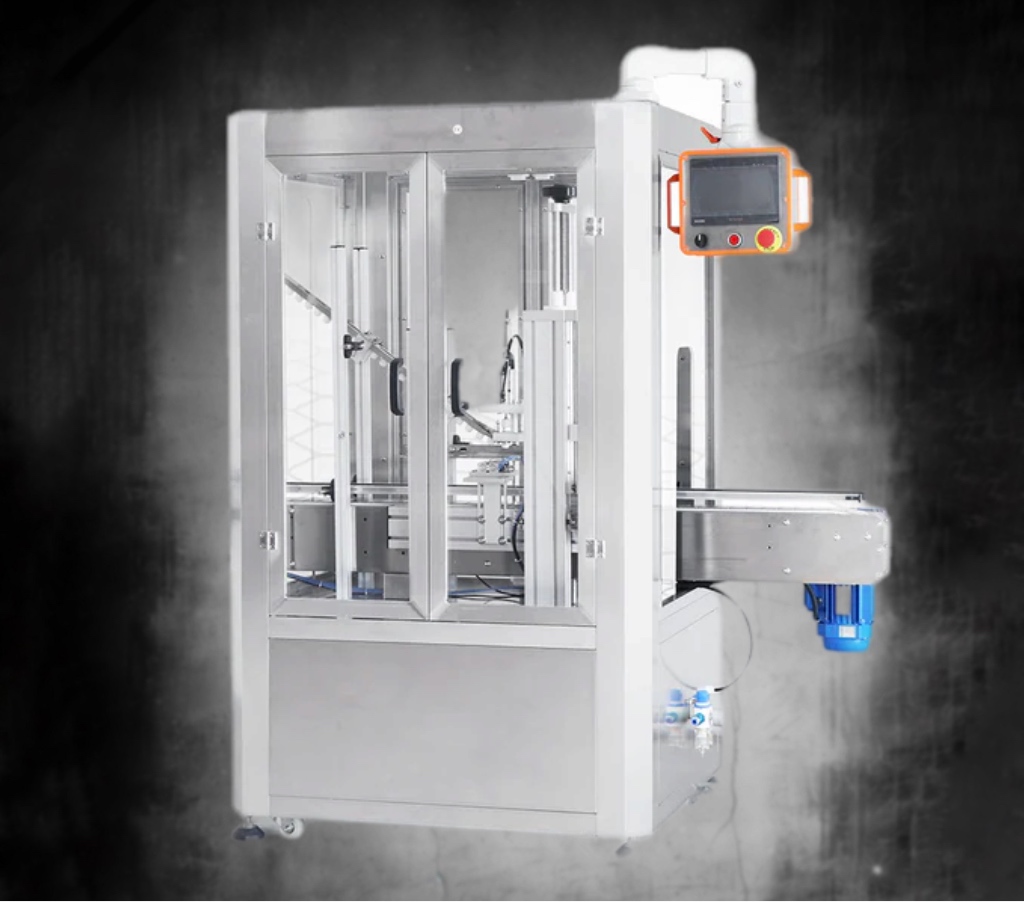
Treat filling, closing and cooling as one controlled sequence.
The food business and its competent process specialists must define safe product preparation, fill, container treatment, closure application, cooling and shelf-life controls. The jar capper must operate within that approved window; it does not create the food-safety process by itself.
- Approved clean jars and closures enter the line in the required condition.
- The product is filled using the validated process and controlled headspace.
- The jar finish remains suitable for sealing and is protected from product or debris.
- The specified lid is presented and applied using the approved closing method.
- The pack passes through the defined hold, inversion, cooling or downstream process where applicable.
- Vacuum, cap button, leak, closure position and other release checks are performed at the specified time.
- Results are recorded against the component batches, process condition and machine setup.
For official food-business guidance, consult the Food Standards Agency packaging and labelling guidance and, where vacuum packing is relevant, its vacuum packaging guidance. General guidance cannot replace a site HACCP system or a validated thermal process.
Give Lancing the operating window, not a single ideal sample.
| Process input | Why the capper needs it | What to document |
|---|---|---|
| Product and fill condition | Temperature, viscosity, foaming, particulates and residue can affect handling and finish cleanliness. | Approved operating range and condition at the capping point. |
| Headspace and jar condition | The closure process and final vacuum evidence can depend on the filled pack condition. | Approved headspace method, fill mass/volume control and jar preparation. |
| Closure specification | Lug design, liner or compound, button feature and coating influence application and final checks. | Supplier part number, drawing, application guidance and normal variation. |
| Vacuum creation method | Steam flow, chamber vacuum, product cooling or another validated route changes the machine and test plan. | Process description, target method and responsibility for services. |
| Cooling and test timing | Pack condition can change after closing, so immediate readings may not represent release condition. | Cooling profile or release point and when each check is performed. |
Keep the jar finish controlled and the lid presentation repeatable.
Product on the sealing surface, damaged lugs, tilted lids or unstable jars can produce a marginal pack even when the capping head is correctly set. Define how overfill, stringing, splashing and contaminated finishes are detected or prevented before capping.
Where steam or vacuum is part of the closure process, specify the service and control boundary. Do not assume that every twist-off capper creates vacuum in the same way. Compare the twist-off machinery routes with the vacuum capping options.
Cooling and handling remain part of closure acceptance.
Confirm how jars are conveyed, accumulated, inverted if applicable, cooled and dried without disturbing the closure or damaging the container. Rapid changes, impact, water ingress, uneven cooling or excessive back pressure can complicate diagnosis.
Use the pack owner’s approved method to check button state, vacuum, leak, cap position and visual condition. When a result fails, retain the jar and lid for teardown and review the fill, headspace, finish, component and process history before changing the capper.
See the twist-off vacuum and button guide and closure-integrity guide.
Reproduce the relevant process condition and record what cannot be reproduced.
- Identify jar, lid, liner and product batches
- Record fill condition, headspace method and finish-cleanliness control
- State how vacuum is created and which services are included in the trial
- Use representative line timing between fill, cap application and cooling
- Define the cooled or release condition for vacuum and button checks
- Inspect damaged, cross-lugged, leaking or marginal packs by teardown
- Record sustained output with normal replenishment and process interruptions
- Separate machinery acceptance from food-safety and shelf-life validation responsibilities
Prepare a controlled trial brief
Combine this process information with the jar-capping sample-trial plan and the jar and lid compatibility guide.
Discuss a hot-fill jar applicationQuestions about food-jar process guide.
Does every hot-filled jar need a vacuum capping machine?
No. The correct route depends on the product, jar and lid system, validated process and method used to create and verify the final seal. The pack owner should define the requirement.
Can Lancing specify the food-safe fill temperature?
The food business and its competent process specialists must define and validate the product-specific process. Lancing can design machinery around the confirmed operating window.
Why does headspace matter to the capping enquiry?
Headspace is part of the filled-pack condition and can influence the approved closure and vacuum process. Supply the validated range and measurement method rather than an assumed value.
When should vacuum or button state be checked?
Use the timing and pack condition defined by the approved process. Record whether the check is immediate, after cooling or at another controlled release point.
What samples are needed for a hot-fill capping trial?
Provide production jars and lids, normal component variation, the approved fill/process information, enough product or agreed test medium, and examples of acceptable and failed packs.
Capping is one control point inside the validated filling, closing, cooling and release process.
A capping-machine trial can show how jars and lids are handled and closed, but it does not establish the food-safety process, shelf life or universal fill temperature. The food business must define and document the appropriate controls for its product and process.
- Define the approved fill and closure conditions. Record product state, fill temperature where relevant, headspace method, finish cleanliness and time to closure.
- Apply the lid consistently. Confirm correct lid placement, engagement and the machine settings used for each approved format.
- Control cooling and handling. Record the pack condition and time at which button, vacuum, torque or other checks become meaningful.
- Release against the approved method. Separate immediate line checks from finished-pack checks and retain the evidence needed for traceability.
UK food businesses should maintain food-safety management procedures based on HACCP principles; see the Food Standards Agency HACCP guidance. Machine guidance does not replace product- and process-specific validation.
Bring the process owner into the machinery trial
Agree which settings the machine controls, which product/process parameters remain outside its scope and when each finished-pack measurement will be taken.
Discuss a hot-fill capping trial