
Twist-off lid vacuum and cap-button checks.
Record temperature, headspace, cooling time, instrument, button state and vacuum result so twist-off jar trials can be compared on the same basis.
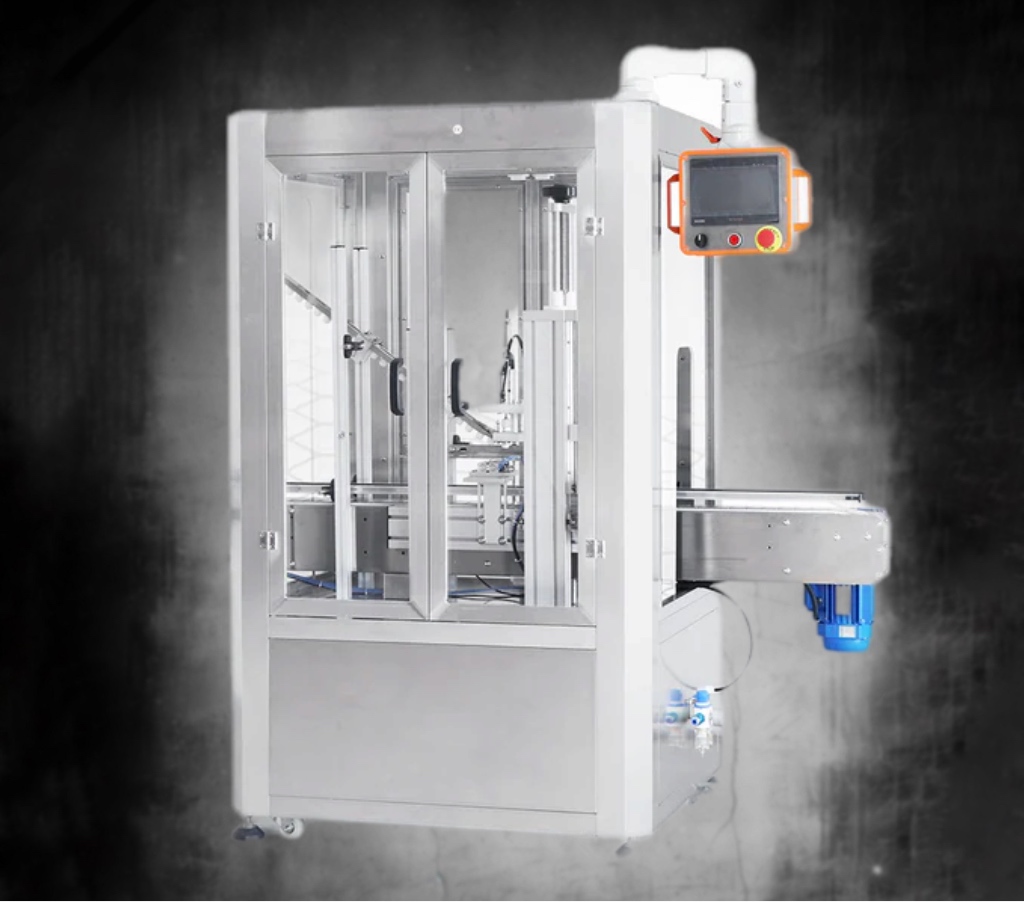
Vacuum depends on the jar, lid, product and process—not only the capper.
Metal twist-off lids are applied to a compatible jar finish while the pack condition determines how internal pressure or vacuum develops. Depending on the validated process, temperature, steam flow or mechanical evacuation may be relevant. The trial should reproduce the intended condition rather than cap empty room-temperature jars and infer the production result.
Record finish cleanliness because product residue can interrupt liner contact and create intermittent leakage even when the lid appears correctly applied.
Capture enough context to reproduce every reading.
| Field | What to record | Reason |
|---|---|---|
| Pack identity | Jar, lid, liner, supplier and batch. | Component variation can change engagement and sealing. |
| Product condition | Product, fill level, headspace, fill and capping temperature. | Thermal and headspace conditions influence the result. |
| Measurement point | Elapsed time after capping and jar temperature. | Readings taken at different stages are not directly equivalent. |
| Instrument | ID, units, calibration status, fixture and operator. | Method variation can look like pack variation. |
| Closure observations | Cap button, cap height, level, lug engagement, liner and finish. | Explains why a reading may be high, low or inconsistent. |
| Disposition | Pass, fail, hold, retest or teardown against the approved method. | Creates a traceable release decision. |
Use the button as defined evidence, not an unexplained visual shortcut.
State when the button is checked, what condition is acceptable and whether the observation is a screening check or a release criterion. A button that has not moved as expected may point to process, leakage, lid or engagement issues, but it does not identify the root cause on its own.
Retain passing and failed samples from the same trial condition and compare vacuum, lug engagement, liner contact and finish condition.
Do not mix test times
Immediate, partially cooled and fully conditioned packs can show different states. Label every sample with the capping time and measurement time.
Check the process, components, application and measurement in order.
- Confirm the method: instrument, units, timing, temperature and sample identity.
- Review process inputs: fill level, headspace, temperature, cooling and vacuum-generation condition.
- Inspect components: jar finish, lid liner, lug pattern, damage and batch variation.
- Review application: cap placement, lug engagement, cap height, pressure and jar support.
- Test for leakage: use the approved leak or hold method and retain failed packs.
- Change one factor: repeat the controlled trial and record the result.
Supply the approved range and the exact test method before the trial.
Do not ask the machine supplier to invent a vacuum limit. Provide the accepted range, units, test timing, sample size, instrument and response to a marginal result. Include the button, cap-height, leak and visual checks that support the release decision.
Questions about twist-off jar vacuum and cap buttons.
What should be recorded with a jar vacuum reading?
Record the instrument and units, calibration status, jar and lid identity, product, headspace, temperature, time after capping, cooling condition and cap-button state.
Why can vacuum change after a jar is capped?
Temperature and headspace conditions change as the pack cools, so the reading can vary with time. Compare results only at the point defined by the approved method.
Does a depressed button prove the jar is correctly sealed?
It can be a useful indicator, but it should not replace the approved vacuum, leak, lug-engagement and process checks unless the validated specification explicitly says so.
Can one vacuum limit be used for every jar and product?
No generic value should be assumed. The acceptable range belongs to the exact jar, lid, liner, product, headspace, thermal process and test method.
What should be checked when vacuum results are low?
Check process temperature and headspace, finish cleanliness, lid and liner condition, lug engagement, cap height, leaks, component batches and measurement timing before changing the machine.
Is vacuum testing part of the machine factory acceptance test?
It can be included when the customer supplies the approved method, samples and process conditions. Machine acceptance does not replace product-process or shelf-life validation.