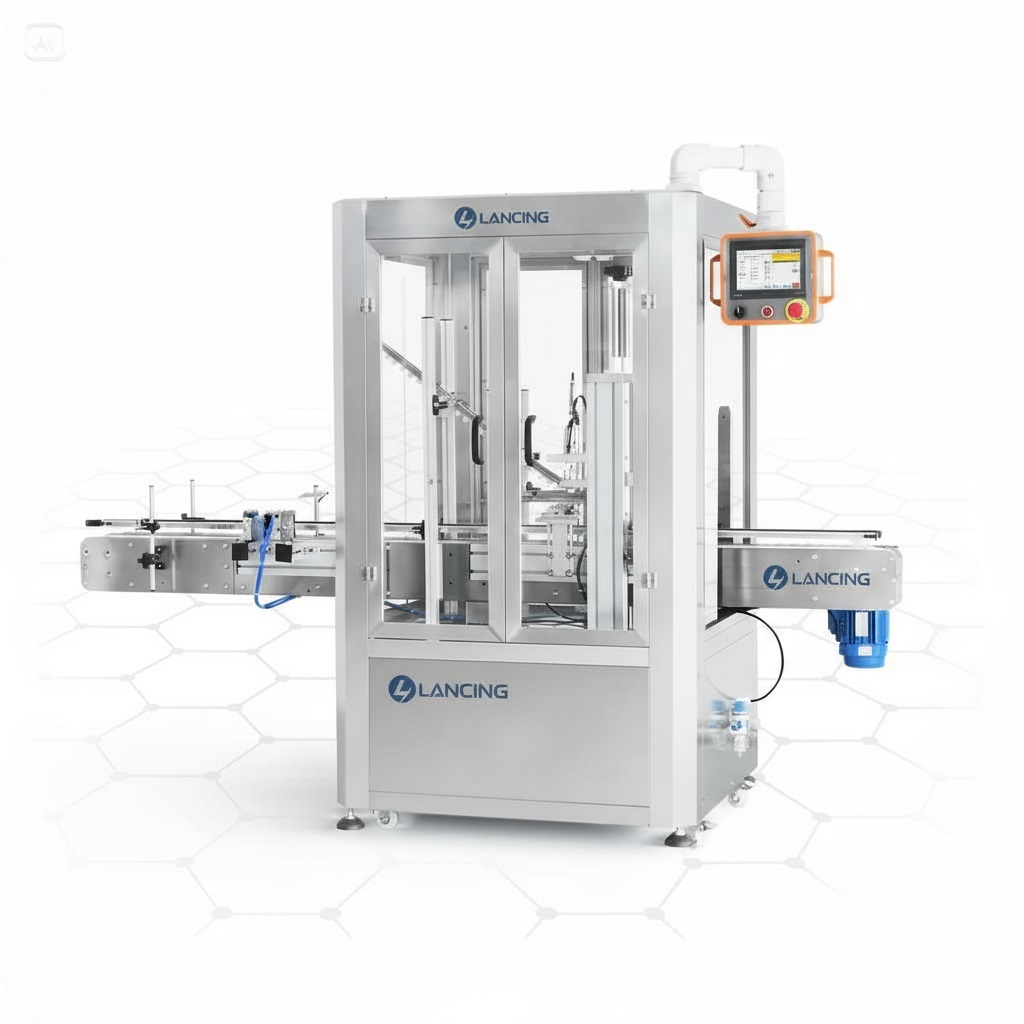
Automatic twist-off jar capper
Automatic metal lid feeding and closing for compatible glass food jars.
Explore this option
Sauces, condiments, chutneys and pickles can use metal twist-off or threaded closures. Product temperature, residue and the required seal test should lead machine selection.
Start with real samples. Your jar, lid and target output provide a more reliable recommendation than choosing by model number alone.
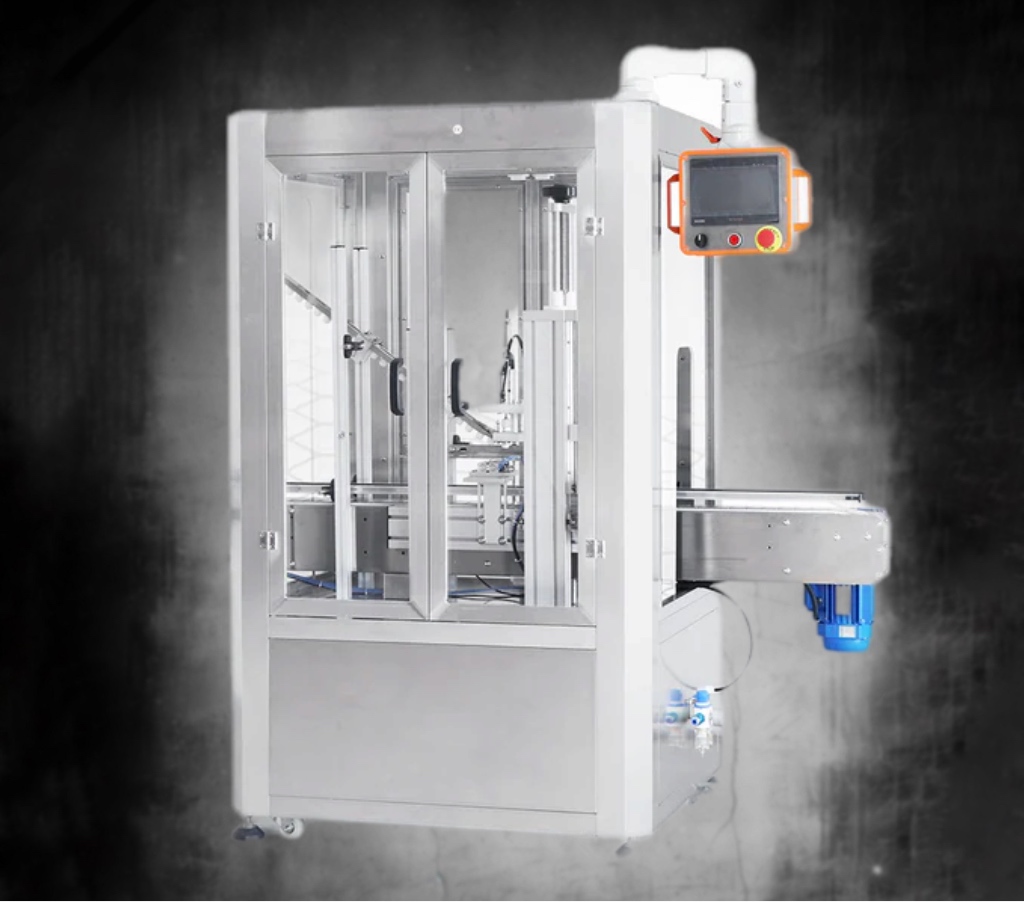
Viscous, stringing or particulate products can leave residue where the liner needs to seal. The filler, drip control and transfer to the capper should be reviewed together.
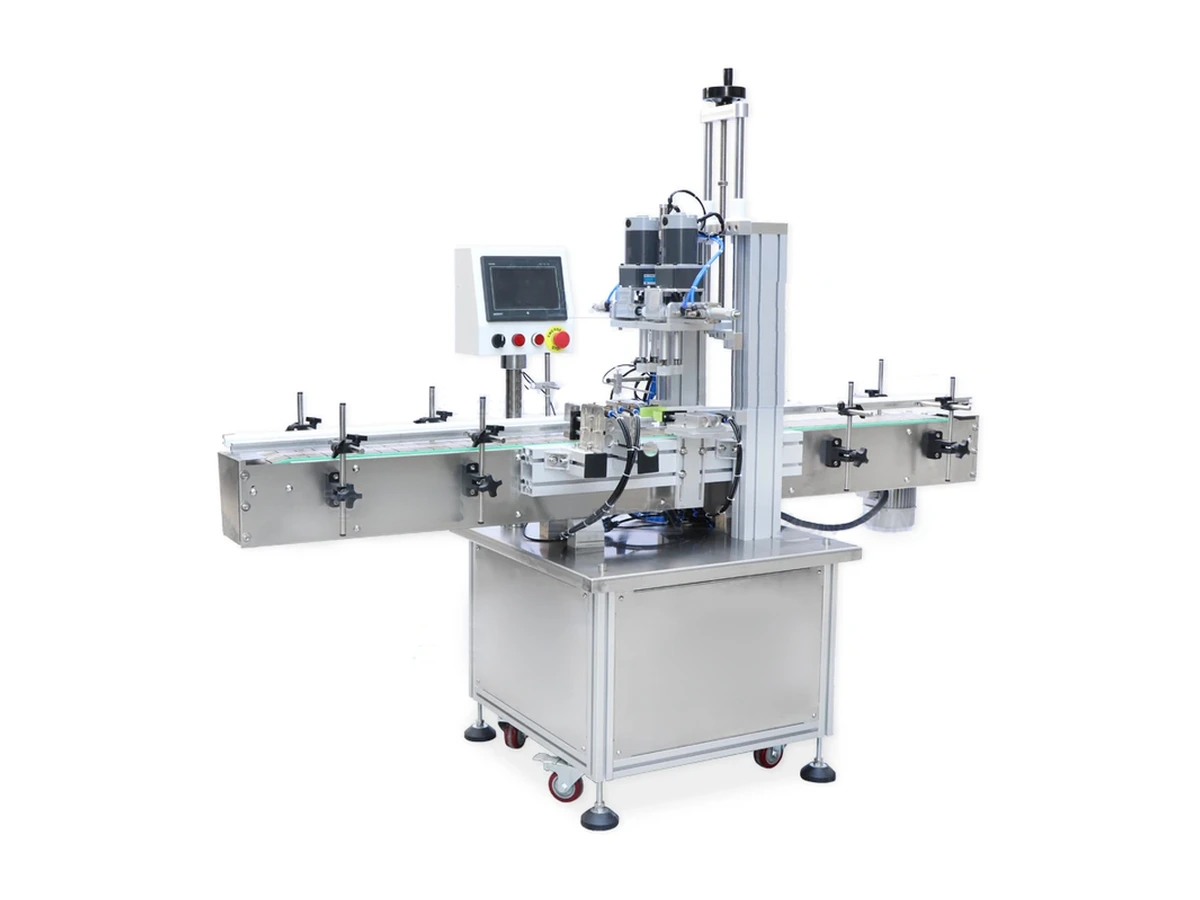
The same product can be packed in several jar-and-lid systems, so the closure specification matters more than the product name alone.
Automatic metal lid feeding and closing for compatible glass food jars.
Explore this option
Threaded plastic or metal lid tightening for compatible jars and process conditions.
Explore this option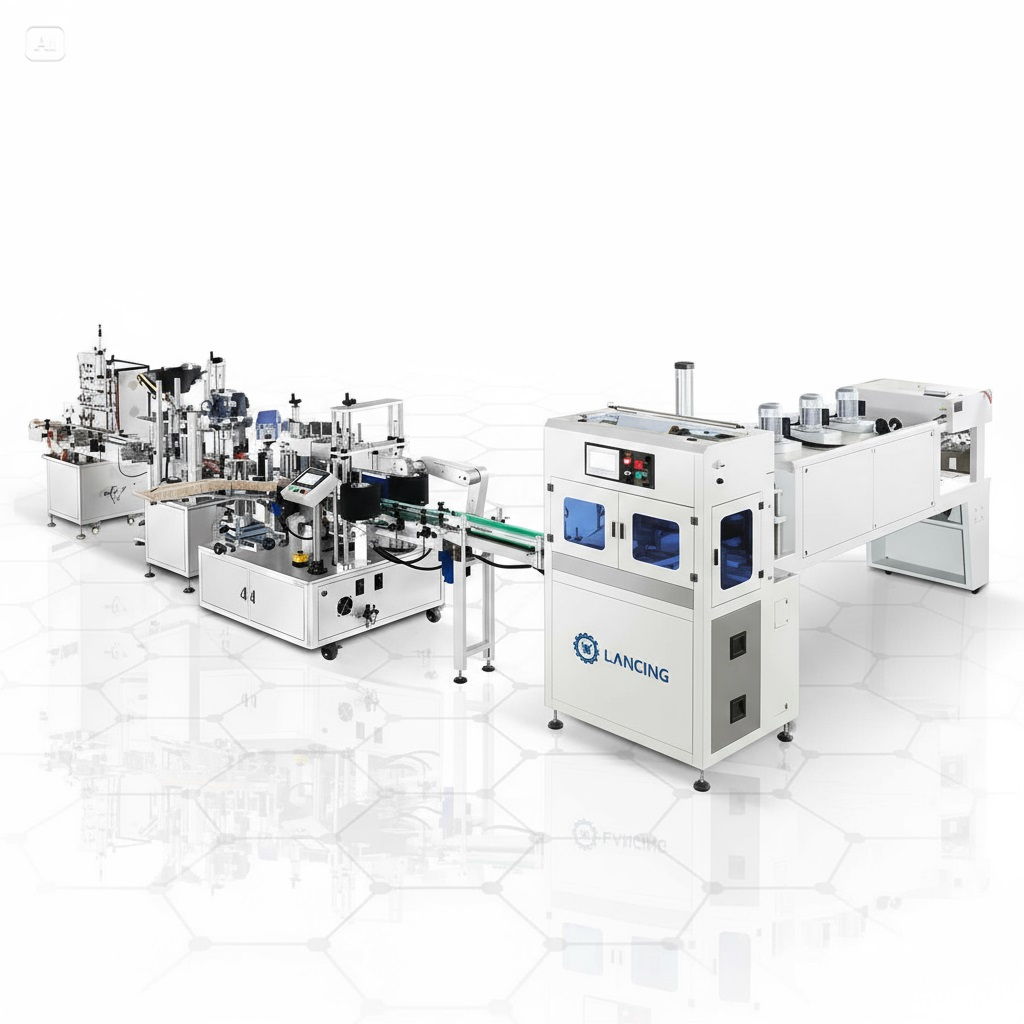
Coordinate filling, finish condition, cap feeding, capping, inspection and labelling.
Explore this option| Control point | Why it matters | Useful evidence |
|---|---|---|
| Finish cleanliness | Residue can prevent complete liner contact and create intermittent leaks. | Swab/visual standard, filler drip data and difficult filled samples. |
| Thermal condition | Hot fill and cooling can change pressure and vacuum after capping. | Temperature at fill/cap, headspace and cooling profile. |
| Closure engagement | Metal lugs or threads must engage squarely without damage. | Cap-height range, visual criteria and sample teardown. |
| Seal acceptance | A cap that looks closed may not meet shelf-life requirements. | Vacuum/torque limits, leak test and hold-time protocol. |
The packer remains responsible for product, process, hygiene and shelf-life validation.
Supply empty and normally filled jars, production lids from more than one batch, any difficult or cosmetically sensitive closures, and details of the filler discharge condition.
Include normal production samples rather than only hand-selected perfect components.
For food projects, machine trials should sit within the packer's HACCP, process validation and shelf-life programme.
Metal twist-off lids may use a dedicated twist-off or vacuum-cap route; continuous-thread lids may use screw capping. The actual closure and process decide.
Control fill cut-off, nozzle retraction, drips, jar transfer and any finish-cleaning step before the cap is applied.
Hygiene construction and cleaning method must be specified. Not every standard machine is designed for direct washdown.
The machine can apply a lid consistently, but the food producer remains responsible for validating the complete product, thermal process, closure and shelf-life system.
Record product and fill condition, finish cleanliness, fill level, headspace, jar and lid batch and any delay between filling and closing.
Inspect cap height, level, lug or thread engagement, liner damage, product contamination and any jar or lid mark created by handling.
Apply the approved vacuum, button, torque, leak and hold methods at the specified time. Retain failed packs for teardown and root-cause review.
Do not publish or apply a generic vacuum or torque limit to all food jars. Use the value and method validated for the exact jar, lid, liner, product, fill and cooling process.
Create the integrity plan · Standardise vacuum and button checks
Food-jar performance depends on more than the mechanical act of turning a lid. Product condition, residue at the finish, fill level, headspace, closure application, cooling and the approved integrity method should be traceable for every trial sample.
| Trial stage | Jar-capping check | Food-process evidence |
|---|---|---|
| Before lid placement | Stable filled jar, clean finish and repeatable arrival at the capping position. | Product and fill condition, headspace or fill-level method, spill/drip controls and jar identity. |
| Lid presentation | Correct closure, orientation and placement without liner damage or unacceptable cosmetic marking. | Lid/liner specification, production batch, storage condition and rejected components. |
| Closing | Controlled engagement, jar support and settings appropriate to the approved closure route. | Machine setup, torque or application method, cap height or lug observations and retained packs. |
| Cooling or conditioning | The closure remains undisturbed while the pack reaches the specified test condition. | Elapsed time, cooling route and any pack handling that can affect the lid or seal. |
| Release checks | Pack passes the customer-approved torque, vacuum, button, leak and visual criteria that apply. | Instrument, method, result, sample reference and action for marginal or failed packs. |
The food producer or packer remains responsible for product safety, hygiene, thermal process, shelf life and finished-pack validation. The machinery trial should supply traceable capping evidence to that wider validation process.
A trial based on one cool, clean, hand-selected pack may not represent normal sauce or condiment production. Agree which conditions need to be covered and vary one controlled factor at a time so that the effect can be understood.
Review metal lug-lid cappers · Plan jam and preserve packs · Define closure-integrity evidence
For sauces, chutneys, preserves and condiments, capping machinery must handle the pack at the real condition presented by production. Product residue, filled weight, headspace, temperature, lid specification and cooling can affect the final closure evidence.
Use the hot-fill jar capping process guide where relevant, confirm test methods through the closure-integrity guide, and record production acceptance in the FAT/SAT plan.
Food-jar capping must be reviewed as part of the manufacturer’s controlled food process, including product on the finish, cleaning access, fill condition and finished-pack checks.
Cleaning access should cover every surface likely to collect product, broken glass, labels, closures, lubricant or cleaning residue during the actual process.
Typical review points include jar guides, side belts, cap chutes, star wheels, sensors, conveyor wear strips and the area below the closing head. The required method depends on the product and the food business’s own hygiene system; machinery selection should not assume unrestricted washdown unless verified.
Residue can change friction, prevent consistent liner contact, contaminate the sealing surface and make torque or vacuum results variable.
The filler, drip control and transfer path should therefore be reviewed with the capper. During trials, record whether failures correlate with contaminated finishes rather than increasing closing force to mask an upstream problem.
The test time should be defined by the validated product and closure process, because vacuum, liner contact and pack temperature can change during cooling.
Immediate machine checks are useful for placement and visible damage, while later checks may be needed for button condition, vacuum or integrity. Record both the elapsed time and pack temperature so results are comparable.
Useful records identify the jar, lid and product batch, machine setup, operator, production time, fill condition, inspection results and any stops or adjustments.
Retained samples and traceable torque, vacuum or integrity results can show whether the issue is isolated or process-wide. The food business should integrate capping records into its own food-safety management and corrective-action system.
Provide the product type, allergens where relevant, fill condition, cleaning method, jar and lid samples, headspace, expected spills, production schedule and the food-safety checks applied after capping.
Send your jar and lid detailsThe capping machine should deliver repeatable application evidence, while the food business defines the product-specific process, hygiene controls, acceptance limits and release decision. Keep those responsibilities explicit in the equipment requirement and production records.
Define finish cleanliness, product splash, lid storage, handling, cleaning access and the action required when contamination reaches the sealing surface or closure path.
The Food Standards Agency states that food businesses need a food-safety management system and should control cleaning and cross-contamination. See FSA food-safety management guidance.
For a hot-fill, twist-off or vacuum process, immediate visual application and cooled-pack vacuum evidence may occur at different times. State which checks are inline, sampled, held pending result or completed after conditioning.
| Record field | Purpose | Example evidence |
|---|---|---|
| Pack identity | Links the result to the approved jar, lid, liner and component batch. | Part numbers, supplier lot and retained samples. |
| Product/process condition | Shows the condition at filling, capping and the defined release point. | Approved temperature/headspace process data where applicable. |
| Application checks | Confirms the lid was presented and applied as intended. | Presence, position, cap height, engagement and visible damage. |
| Finished-pack checks | Supports the pack owner’s release decision. | Approved torque, vacuum, button, leak, integrity or visual method. |
| Reject reconciliation | Confirms failed packs were segregated and counted. | Entered, accepted, rejected by reason and held quantity. |
Machinery trials can provide application and handling evidence. Product safety, shelf life, thermal process and legal release require the food business’s competent, product-specific controls.
Discuss a food-jar capping projectSauce, chutney, condiment and preserve projects should connect machine setup to product and pack evidence without treating one capping result as proof of the whole food process.
Record the jar and lid batches, product or trial medium, fill condition, headspace method and any finish contamination or foam that can interfere with closing.
Record placement, jar control, closure setting, rejected packs, accepted output and the exact format recipe or mechanical setup.
Record cooling or conditioning time, button or vacuum result where relevant, torque or opening result, leakage/integrity checks and the disposition of failed packs.
For hot-filled glass jars and twist-off lids, continue with the hot-fill jar capping process guide. For compatible foil-lined screw closures, use the capping and induction-sealing guide.
Send your jar, lid, product and target output. Lancing will help you identify a practical machine route and the samples needed for confirmation.