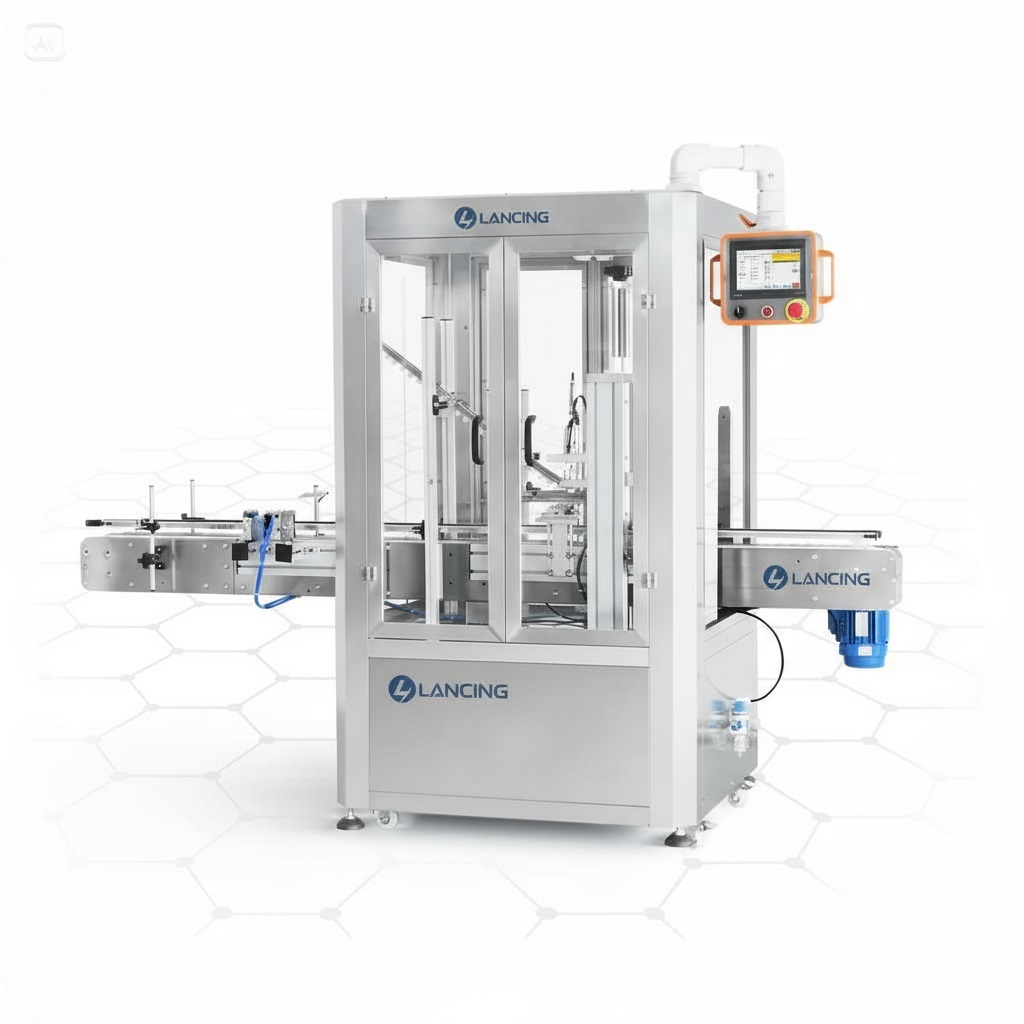
Automatic metal twist-off capper
Feed and apply compatible metal lug lids at an indicative 30–40 jars per minute.
Explore this option
Preserves often combine hot product, glass jars and metal lug lids. Capping equipment should be considered as one part of the validated fill, headspace, closing and cooling process.
Start with real samples. Your jar, lid and target output provide a more reliable recommendation than choosing by model number alone.
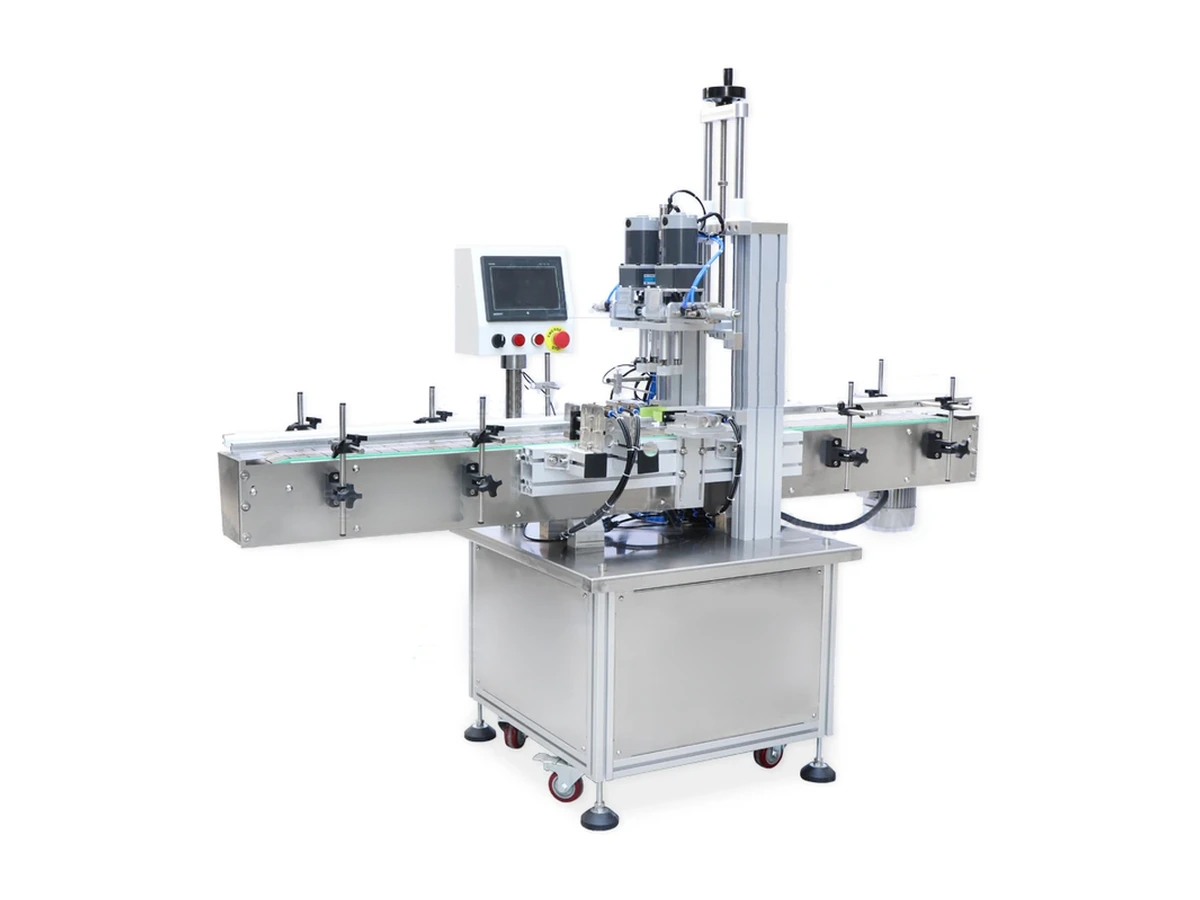
The jar may be capped while the product is hot and inspected after cooling. The specification should state both conditions and how vacuum or cap-button performance is measured.
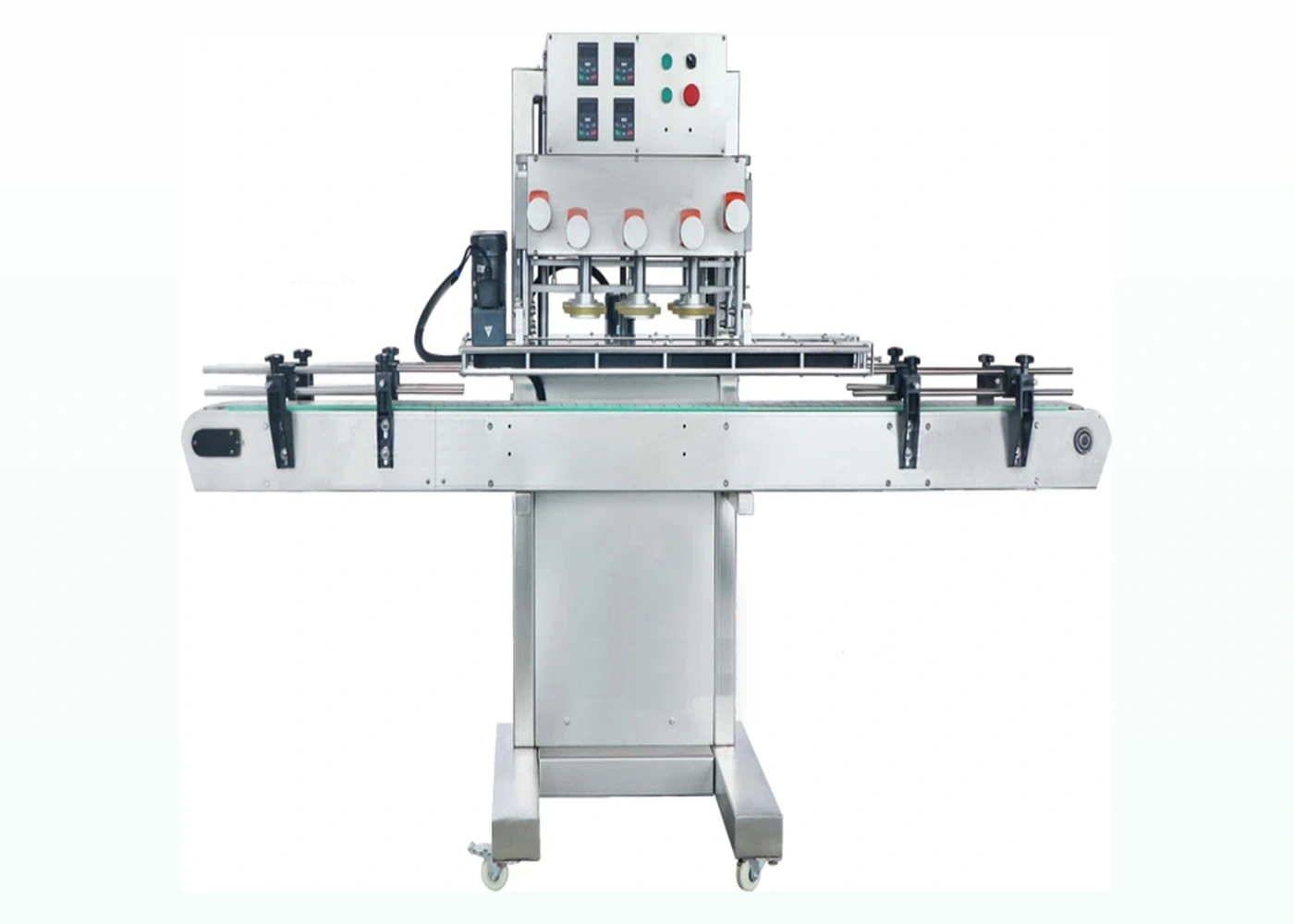
Standard screw-cap equipment should not be assumed suitable for metal lug lids or for creating the required process vacuum.
Feed and apply compatible metal lug lids at an indicative 30–40 jars per minute.
Explore this option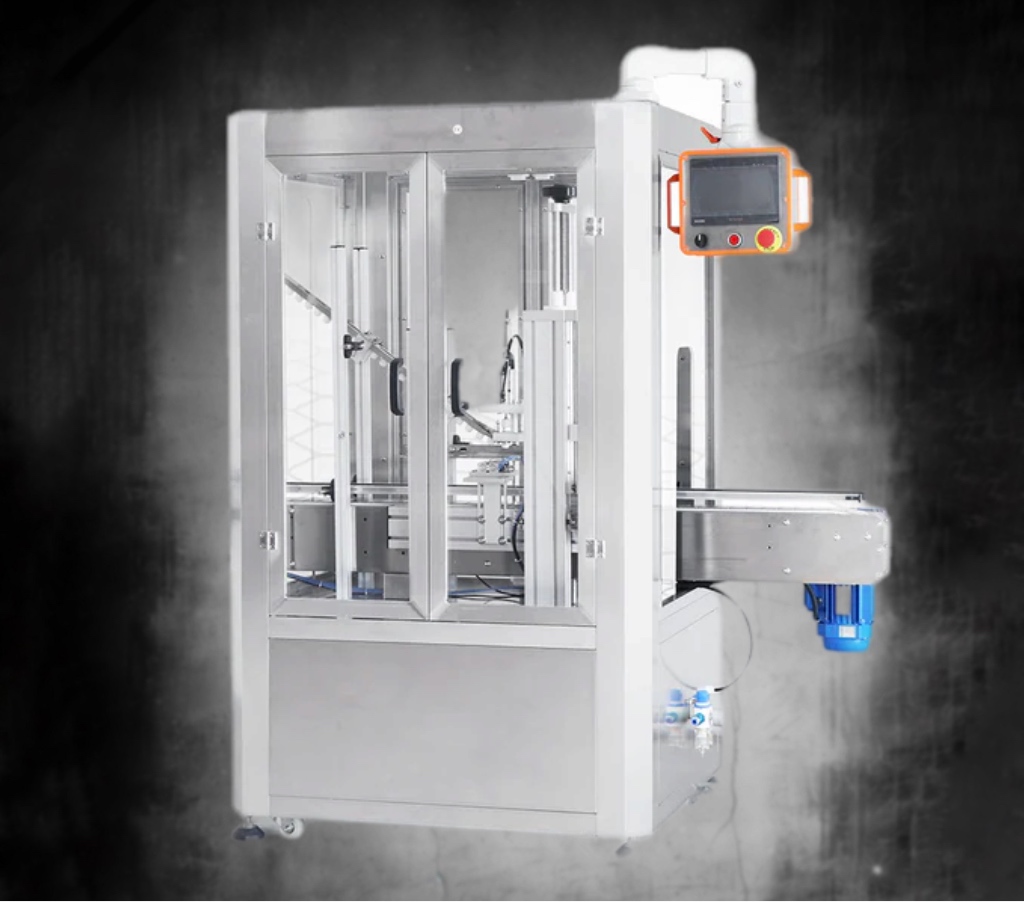
Define how vacuum is formed, when it is measured and what range is acceptable after cooling.
Explore this option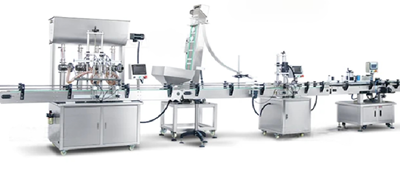
Investigate low vacuum, crooked lids, finish residue, liner damage and process variation methodically.
Explore this option| Control point | Why it matters | Useful evidence |
|---|---|---|
| Cap button | A button may provide a visual indicator but should be linked to a defined process check. | Button state and inspection timing after cooling. |
| Vacuum | Readings vary with temperature, headspace and test method. | Instrument, units, timing and acceptable range. |
| Lid engagement | Incomplete lug engagement can produce low or variable seal compression. | Cap height and removal/teardown observations. |
| Shelf-life | Machine acceptance does not replace product-process validation. | Hold tests, microbiological plan and pack integrity protocol. |
The packer remains responsible for product, process, hygiene and shelf-life validation.
Provide the intended glass jar, production metal lids, product or a safe trial analogue, fill temperature range, headspace specification and examples of acceptable and failed packs.
Include normal production samples rather than only hand-selected perfect components.
Agree whether the factory acceptance test uses hot product, water or a representative analogue, and record any limitations in the signed specification.
A suitable vacuum and compatible button lid can create the familiar release indication, but the pack and thermal process must be validated.
Often with adjustment and approved change parts, provided the finish and lid family remain compatible.
Not always. Vacuum, cap-button condition, lug engagement, leak integrity and the validated thermal process may be more relevant.
For hot-filled jam and preserve jars, the internal condition changes as the pack cools. State when the button is inspected and when vacuum is measured, together with product temperature, headspace, jar and lid batch and the instrument used.
A depressed button can support a visual check, but it should not replace the approved vacuum, leak, lug-engagement or shelf-life method. Investigate a marginal pack by retaining it for liner, finish and lug inspection.
Jam and preserve jars are often judged after the pack has cooled, so the trial must state when vacuum, button, leak and visual checks are taken. The machine setup should be linked to the actual jar, lug lid, product condition and finish-cleanliness control.
Use the hot-fill process guide and closure compatibility guide before fixing the acceptance plan.
Send your jar, lid, product and target output. Lancing will help you identify a practical machine route and the samples needed for confirmation.