For a chuck route
Confirm the tool engages without concentrating load on decorative areas, distorting the skirt or trapping a closure that varies within production tolerance.

Large lid diameter changes leverage, chuck size, surface contact and bulk handling. A cap that fits dimensionally can still be difficult to grip, feed or tighten without marking.
Start with real samples. Your jar, lid and target output provide a more reliable recommendation than choosing by model number alone.
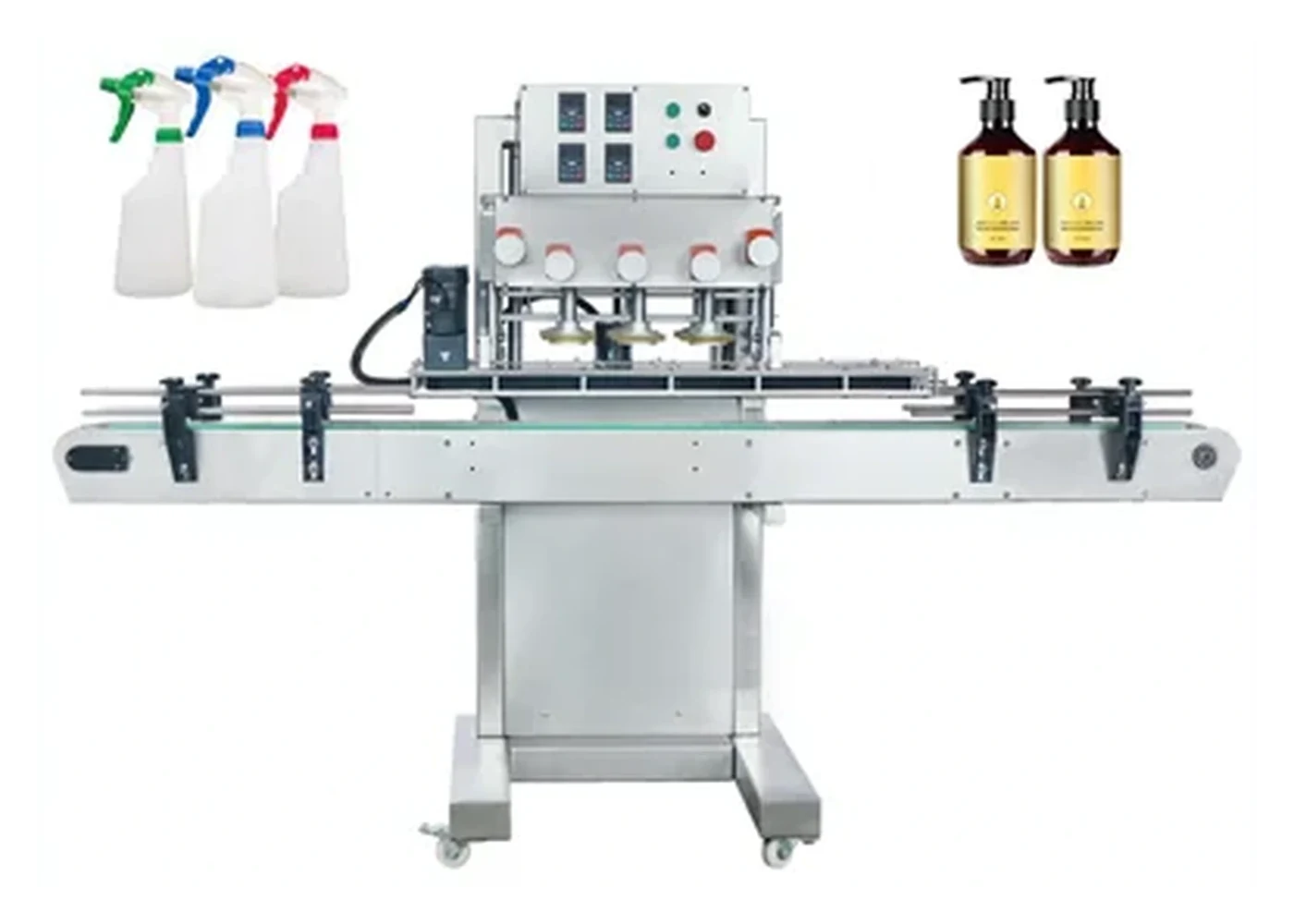
Outside diameter is the beginning of the specification, not the end.
Record outside diameter, height, skirt depth, top profile, knurl, liner, thread or lug geometry and any tamper feature.
State whether light rub marks, chuck witness marks or track contact are acceptable on decorated surfaces.
The same tangential force creates more torque at a larger radius, so drive and grip must be controlled accordingly.
Wide thin skirts can ovalise, flare or slip when gripped by unsuitable tooling.
Large lids consume hopper volume and may nest, bridge or orient poorly.
Wide jars may be low profile, slippery or flexible and need a dedicated anti-rotation fixture.
Closure-specific contact materials, chuck profiles and progressive spindle settings can improve control, but the agreed visual standard must be tested with production decoration.
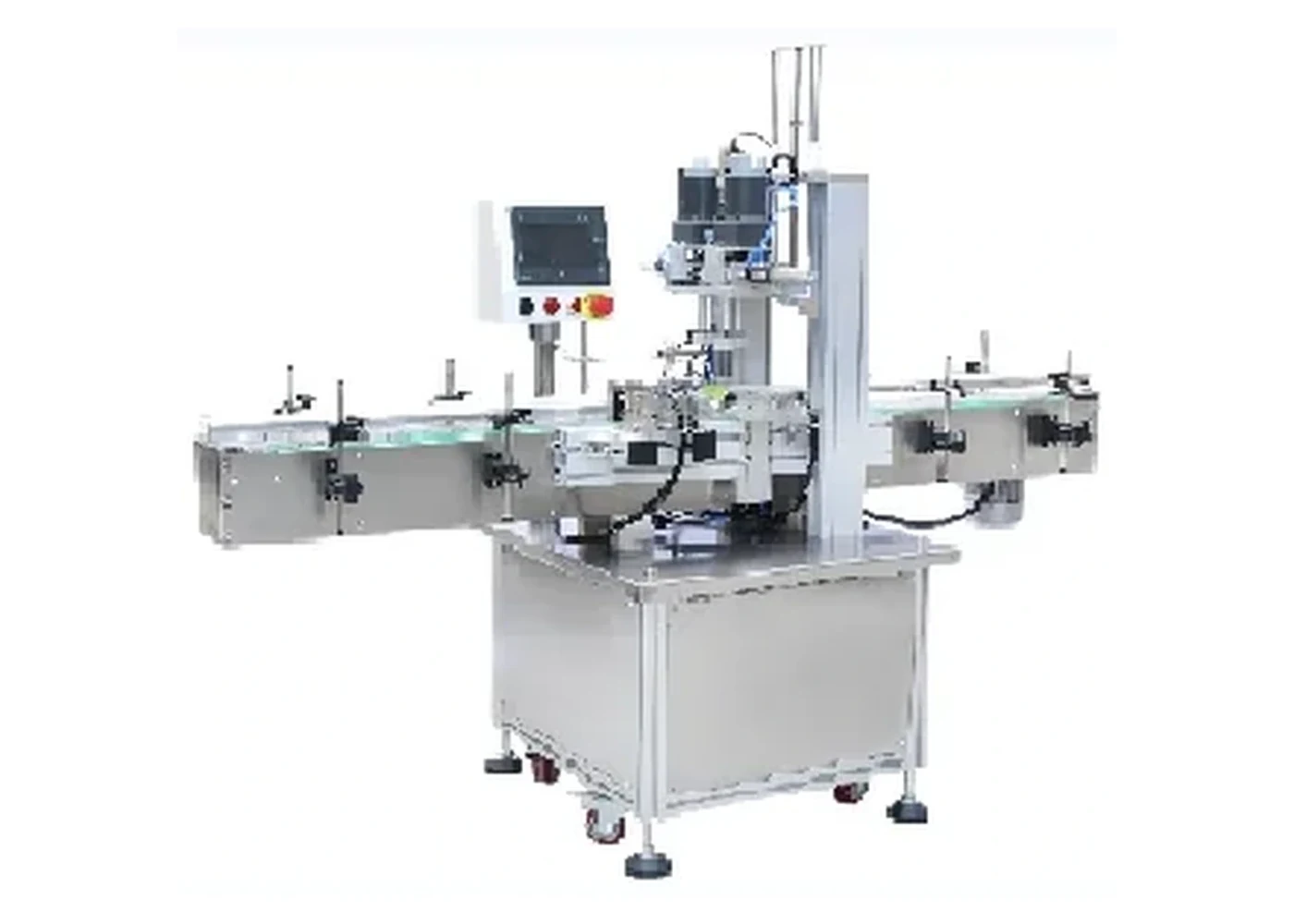
Use this table to structure a closure trial and tooling discussion.
| Risk | Why it occurs | Possible response |
|---|---|---|
| Lid slips | Smooth finish, low contact pressure or insufficient grip area. | Profiled chuck, suitable contact material or progressive tightening. |
| Lid marks | Hard tooling or concentrated pressure contacts a decorative surface. | Softer replaceable liners and agreed visual acceptance. |
| Skirt deforms | Thin wide skirt is compressed unevenly. | Support profile, reduced pressure and closure-specific tooling. |
| Jar rotates | Large torque is applied without enough anti-rotation support. | Jar clamp, side belts or dedicated fixture at safe contact zones. |
| Feeder jams | Large lids bridge, nest or occupy excessive track width. | Bulk trials, revised hopper/track and alternative feeding route. |
The jar support, lid finish, torque method and cap presentation must be solved together. Tooling that grips well may still mark or deform the pack.
Send complete jars and lids, not loose dimensions alone, so the machine route and contact tooling can be reviewed as a system.
There is no single universal threshold. The important point is whether the lid exceeds the standard head/feed range or introduces grip, leverage and handling issues.
Potentially, if the jar offers stable side-belt contact and the lid profile can be gripped by suitable spindle wheels. Samples are required.
Use suitable contact materials, controlled pressure, lined feed surfaces and an agreed visual inspection standard.
A wide cap is not automatically a chuck-only or spindle-only application. The closure height, ribbing, skirt stiffness, liner, jar stability and acceptable surface marking determine whether a matched chuck, progressive wheel contact or another route is practical.
Confirm the tool engages without concentrating load on decorative areas, distorting the skirt or trapping a closure that varies within production tolerance.
Confirm wheel contact reaches the useful closure surface and that jar side belts can resist the tightening reaction without scuffing or tipping the jar.
Use the complete production format range, record cap marking and skirt condition, and measure the agreed closure result after the specified conditioning time.
Compare chuck and spindle tightening methods for the complete jar range.
Send your jar, lid, product and target output. Lancing will help you identify a practical machine route and the samples needed for confirmation.