
Automatic Jar Capper with Vibratory Bowl
A screw-capping system with a vibratory bowl feeder for projects where loose lids can be sorted, oriented, delivered and applied automatically before tightening.
Start with real samples. Your jar, lid and target output provide a more reliable recommendation than choosing by model number alone.
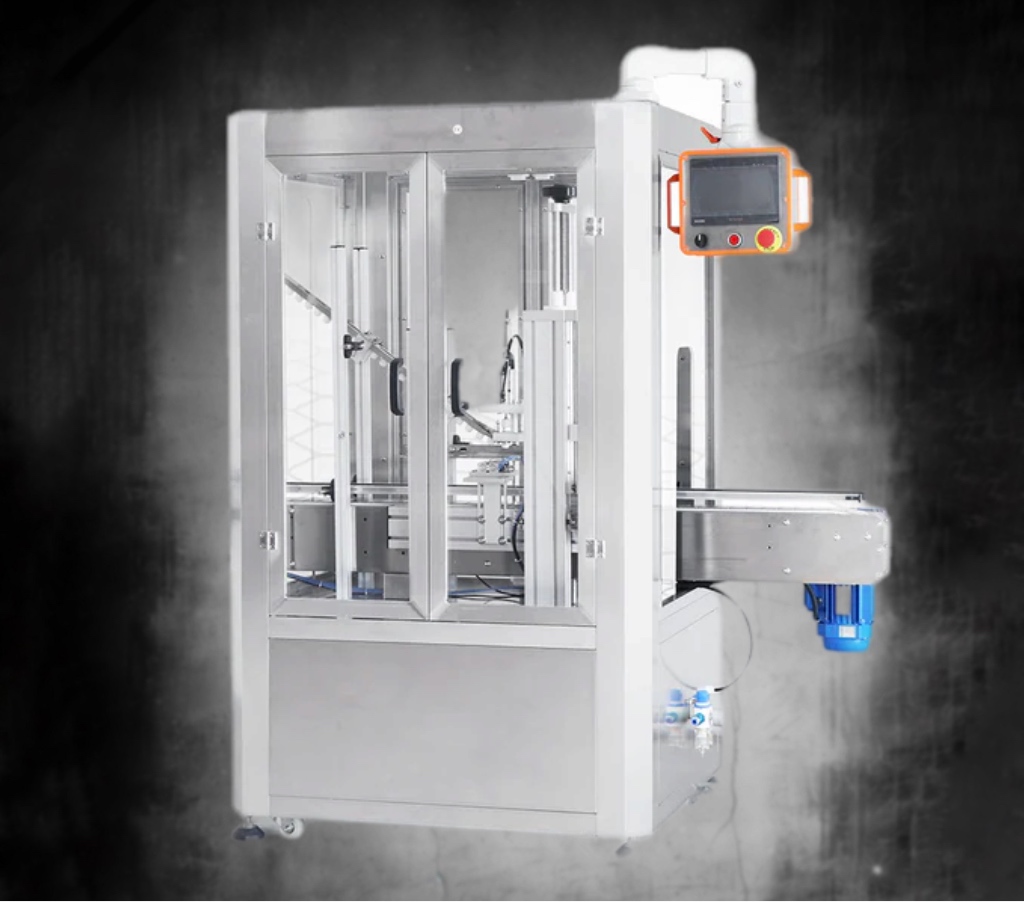
Equipment example shown; the final configuration is confirmed for your jars and lids.
Equipment examples
These photographs show capping and related packaging equipment. They do not identify a confirmed configuration for this machine; we confirm tooling and guarding for your jars and lids during project review.
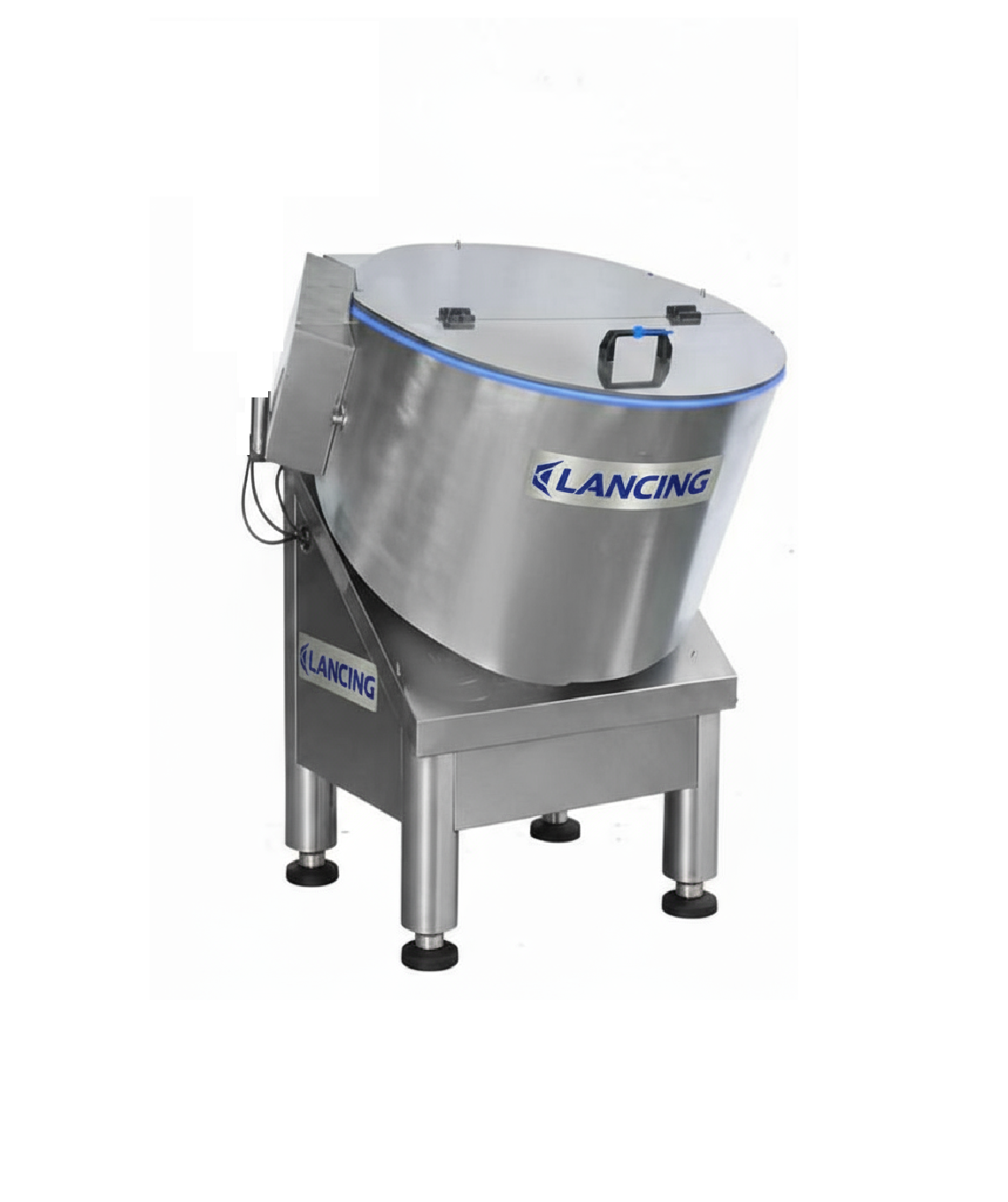
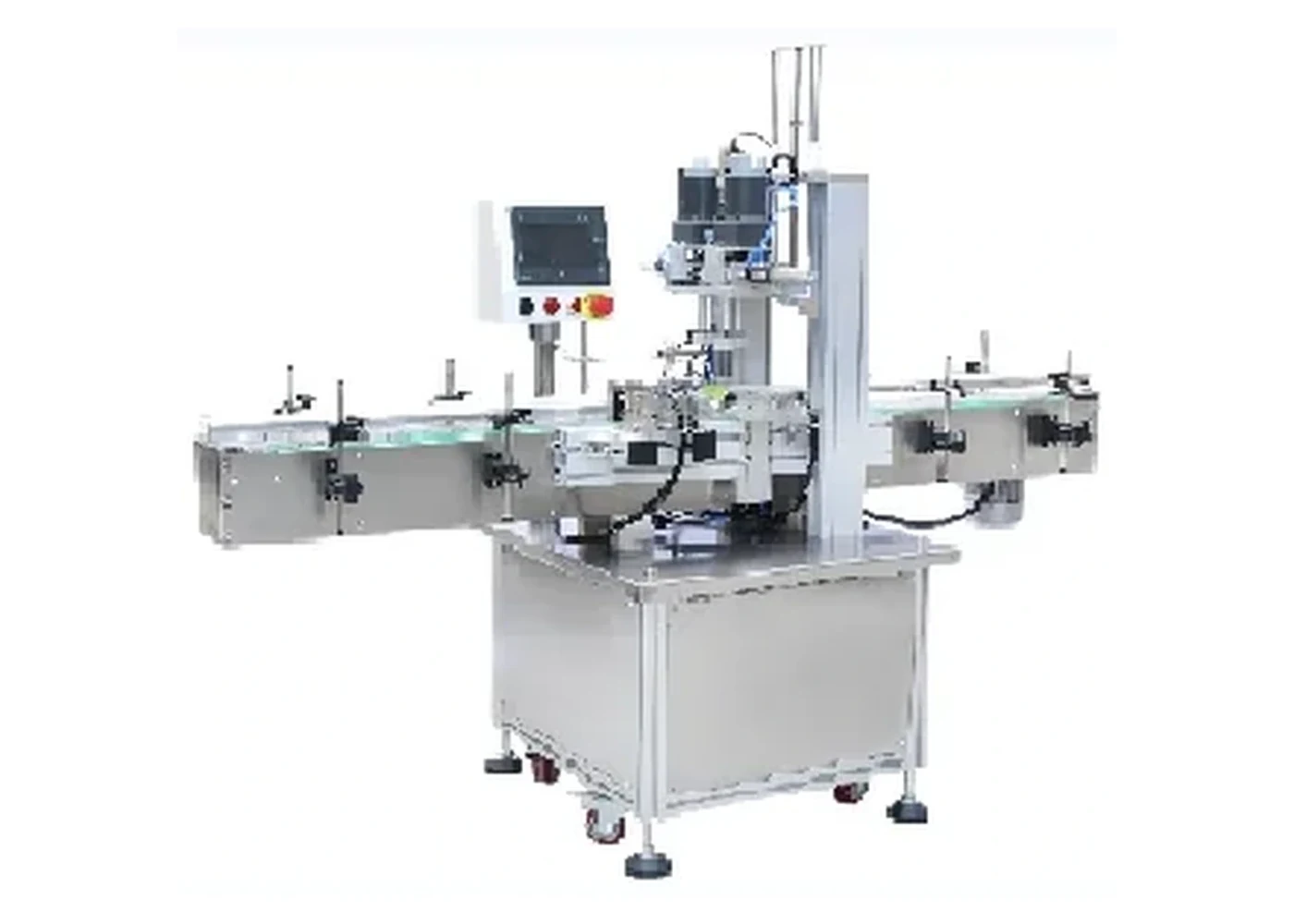
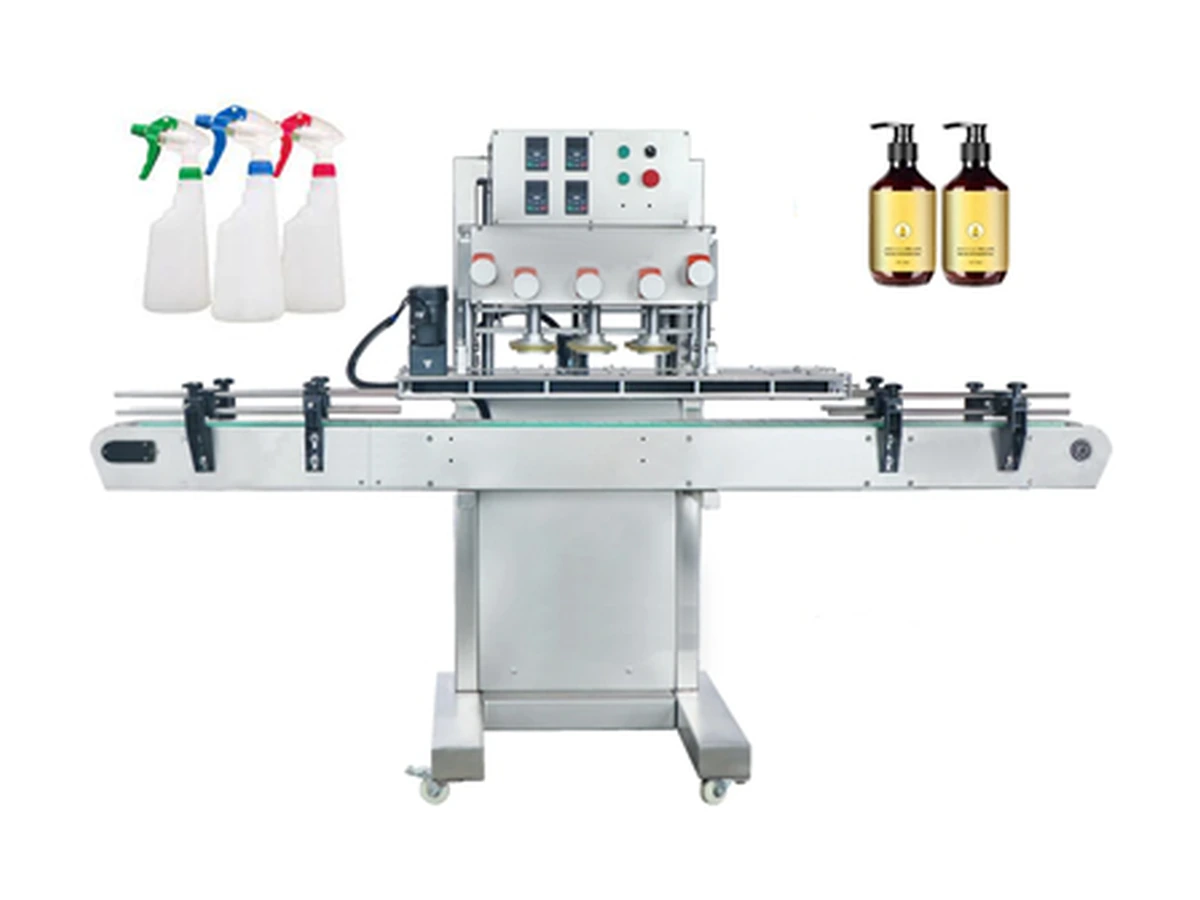
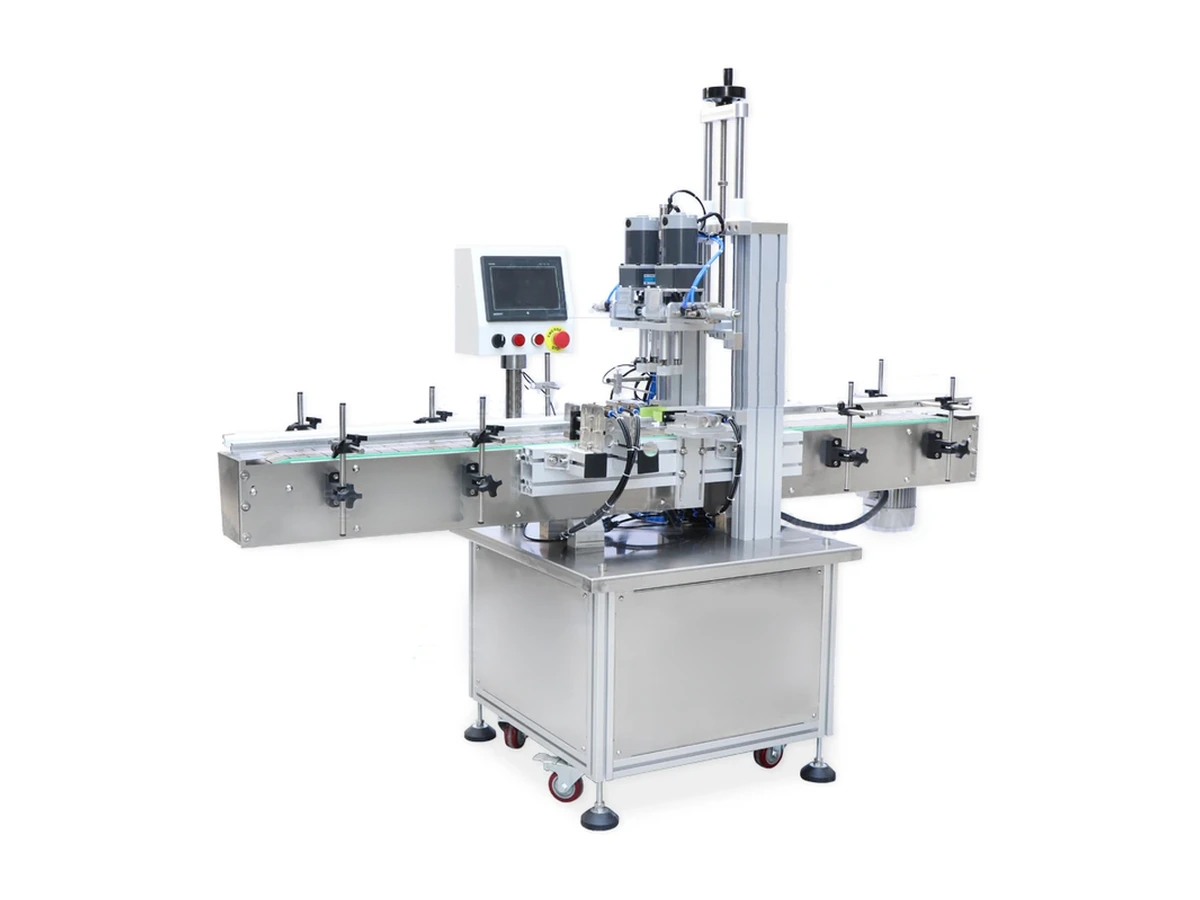
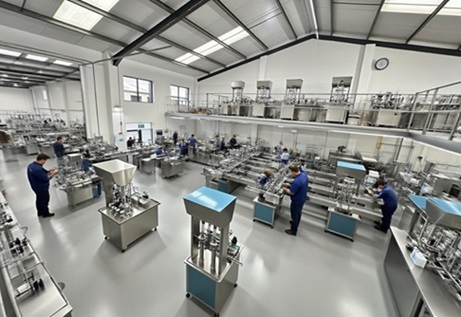
Ask for a demonstration using your own jars and lids before the machine is specified.
Use these figures to create your first shortlist.
Your confirmed specification will be based on real jars, lids, product conditions and an agreed trial.
| Indicative output | 20–60 containers per minute, format dependent |
|---|---|
| Indicative cap diameter | Ø18–70 mm |
| Indicative container diameter | Ø20–160 mm |
| Cap handling | Vibratory bowl sorting, orientation and delivery |
| Line format | Automatic inline capping system |
Planning figures only. Final capability is confirmed against your production jars, lids, product conditions and required line layout.
Best suited to a defined jar-and-lid range.
Repeat jar and lid formats with sufficient volume to justify automatic cap sorting and a closure geometry that can be fed reliably.
- Bulk cap loading into a dedicated vibratory bowl
- Closure-specific sorting and orientation tooling
- Automatic cap delivery before tightening
- Reduced manual cap placement on suitable repeat production
What this route is designed to improve
Controlled closure application can reduce variation from hand tightening, make the cycle easier to train and provide a clearer basis for quality checks.
It does not remove the need to validate seal performance. Torque, lid height, vacuum, leak testing and visual finish should be defined for the actual packed product.
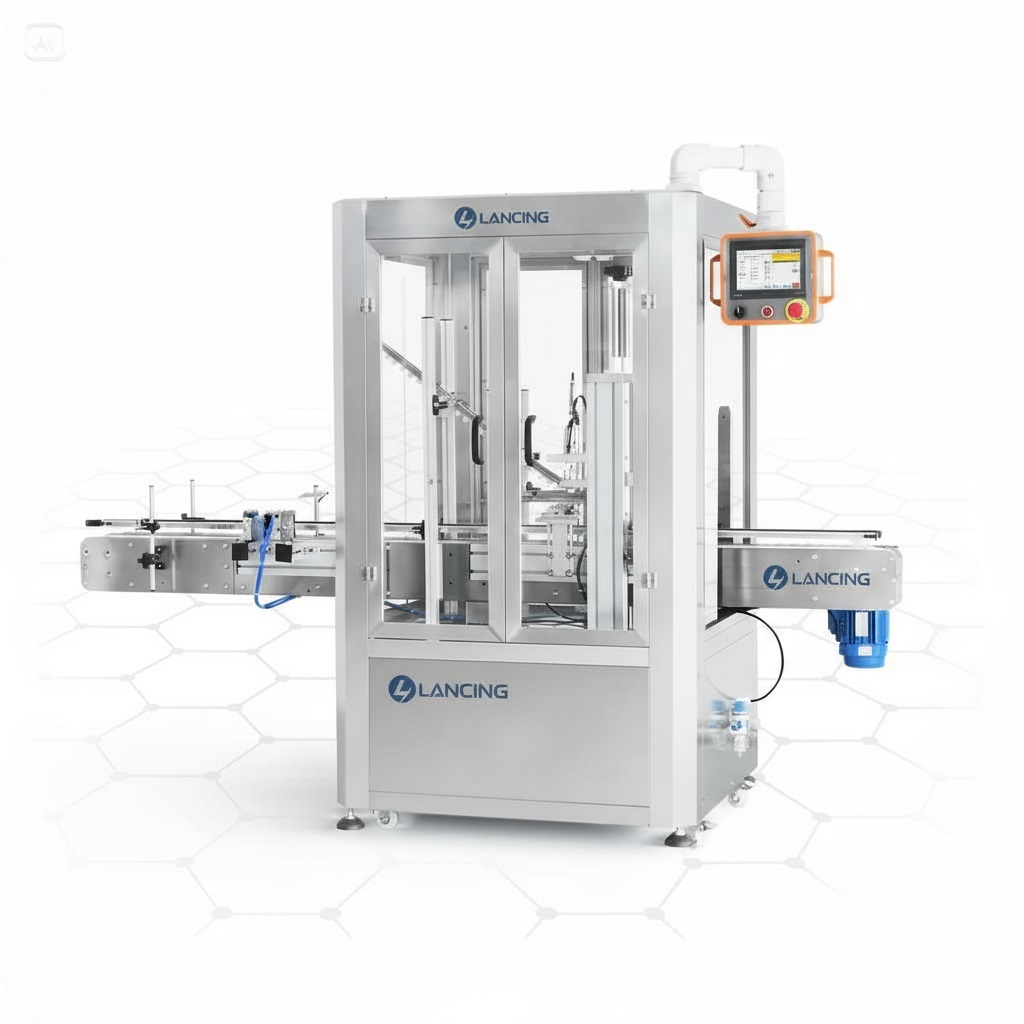
Send enough information for a realistic configuration.
Cap finish, weight, centre of gravity, skirt depth, nesting tendency, scratching risk, bowl noise, changeover frequency and the required buffer between feeder and capper.
- Samples: production jars, lids and any liners or tamper features.
- Process: fill product, temperature, residue risk and finished-pack checks.
- Output: target jars per minute, batch pattern and operator availability.
- Integration: floor space, conveyor height, power, air and adjoining equipment.
Automatic Jar Capper with Vibratory Bowl questions.
Can one bowl feed every jar lid?
No. Bowls and tracks are usually closure-specific. A broad lid range may need change parts, separate bowls or a different feeding method.
Do metal lids get scratched in a bowl feeder?
Surface finish must be reviewed. Bowl lining, track design and contact points can be selected to reduce marking, but samples should be tested.
When is automatic cap feeding worthwhile?
It becomes attractive when manual placement limits output, creates inconsistent spacing or requires too much repetitive handling.
Ready to check this machine against your pack? Send your jars, lids and target output, or view related Lancing machine information.
Prove that an oriented lid arrives in a usable position every time.
The vibratory bowl is only one part of the closure path. The track, escape, chute, sensors and placement point must preserve orientation without excessive queue pressure, cap damage or uncontrolled recirculation.
- Bulk behaviour: run a representative production quantity and record bridging, nesting and rejects.
- Orientation: retain every wrongly presented cap and identify where it escaped the tooling.
- Queue control: pause the downstream capper and observe the track, chute and restart.
- Placement: use video to verify cap position immediately before tightening.
- Changeover: identify bowl, track, chute, sensor and recipe changes for each approved lid.
Cap-feeding footage
Use the movement shown here to discuss queueing, orientation and handover during your sample trial.
Prove orientation, track flow, placement and tightening as one system.
A vibratory bowl can orient the cap, but the accepted pack depends on every downstream transition. The trial should follow the same closure from bulk loading to the finished jar.
- Load the bowl at the lowest and highest normal working levels.
- Refill it using the production method and observe circulation recovery.
- Introduce approved examples of wrong orientation and confirm they are removed or recirculated as intended.
- Record cap condition through tooling, track, chute and escapement.
- Confirm square placement across the smallest, largest and least stable jars.
- Challenge stops, restarts, queue pressure and low-cap conditions before judging sustained output.
Where the closure cannot be oriented reliably or changes very frequently, compare a cap elevator, assisted track or manual placement route rather than forcing the bowl to handle an unsuitable component.
Compare lid-feeding routes and download the trial checklist.