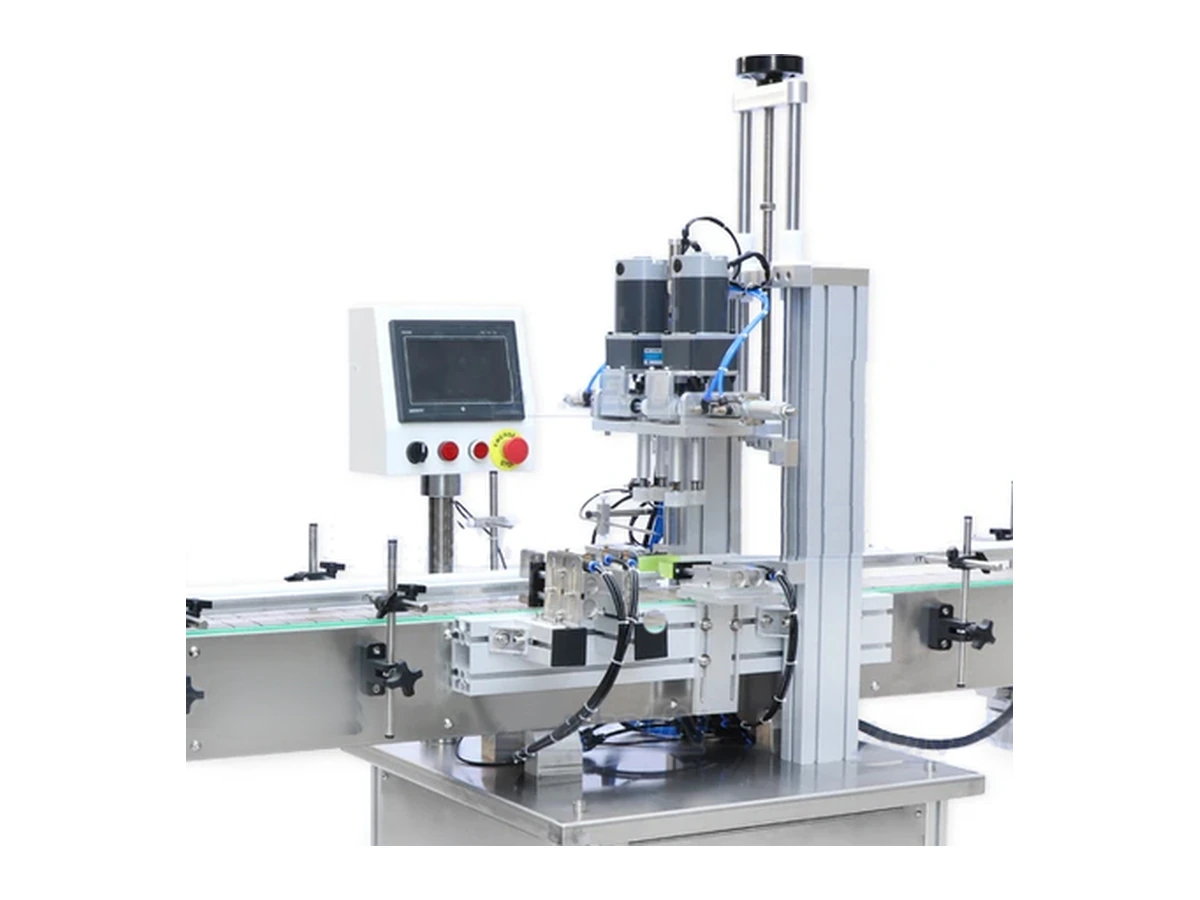
Semi-automatic honey jar capper
Manual lid placement with controlled clamping and tightening for varied batches.
Explore this option
Honey is viscous and sticky, so a stable capping result depends on clean jar threads, controlled filling and a torque setting matched to the lid and container.
Start with real samples. Your jar, lid and target output provide a more reliable recommendation than choosing by model number alone.
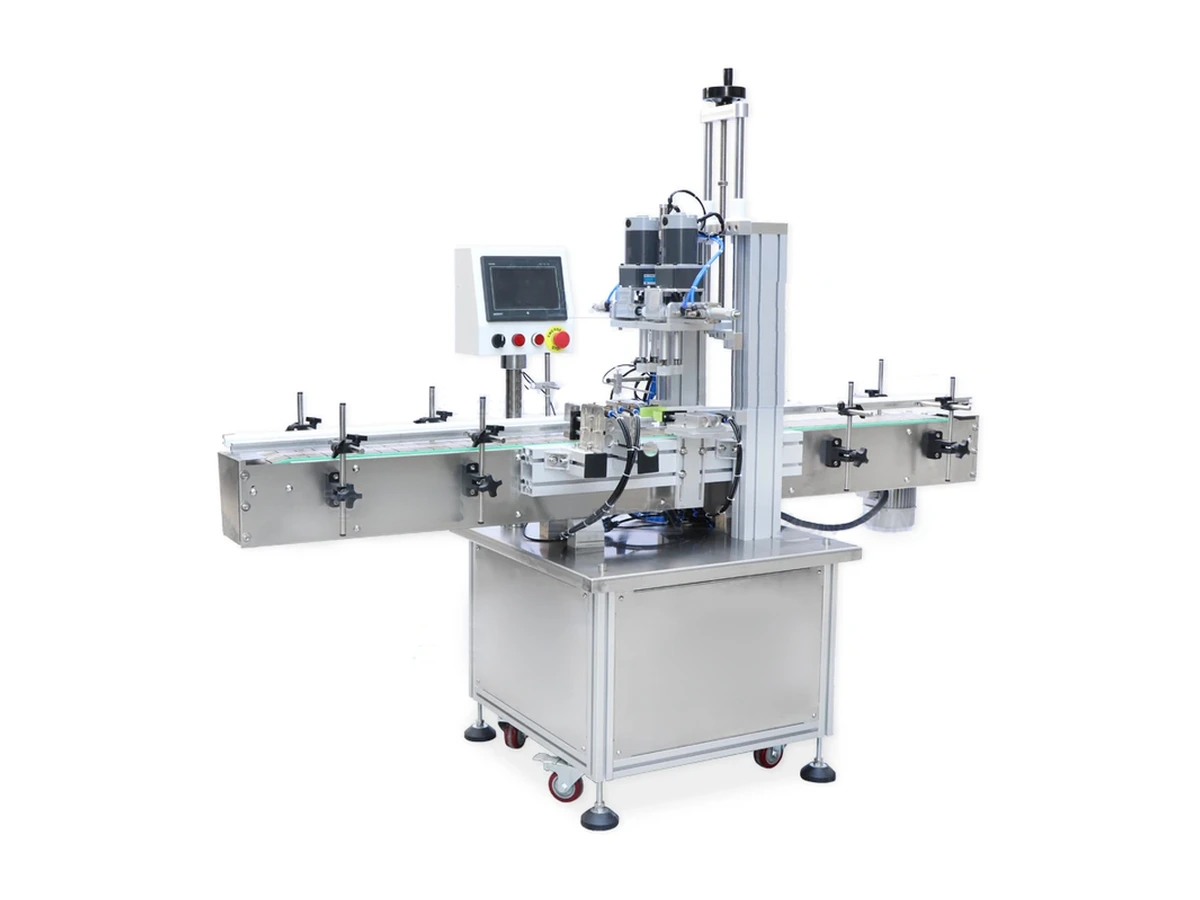
The capper cannot compensate for a consistently contaminated finish. Review filler shut-off, nozzle movement, jar transfer and any dwell before lid placement.
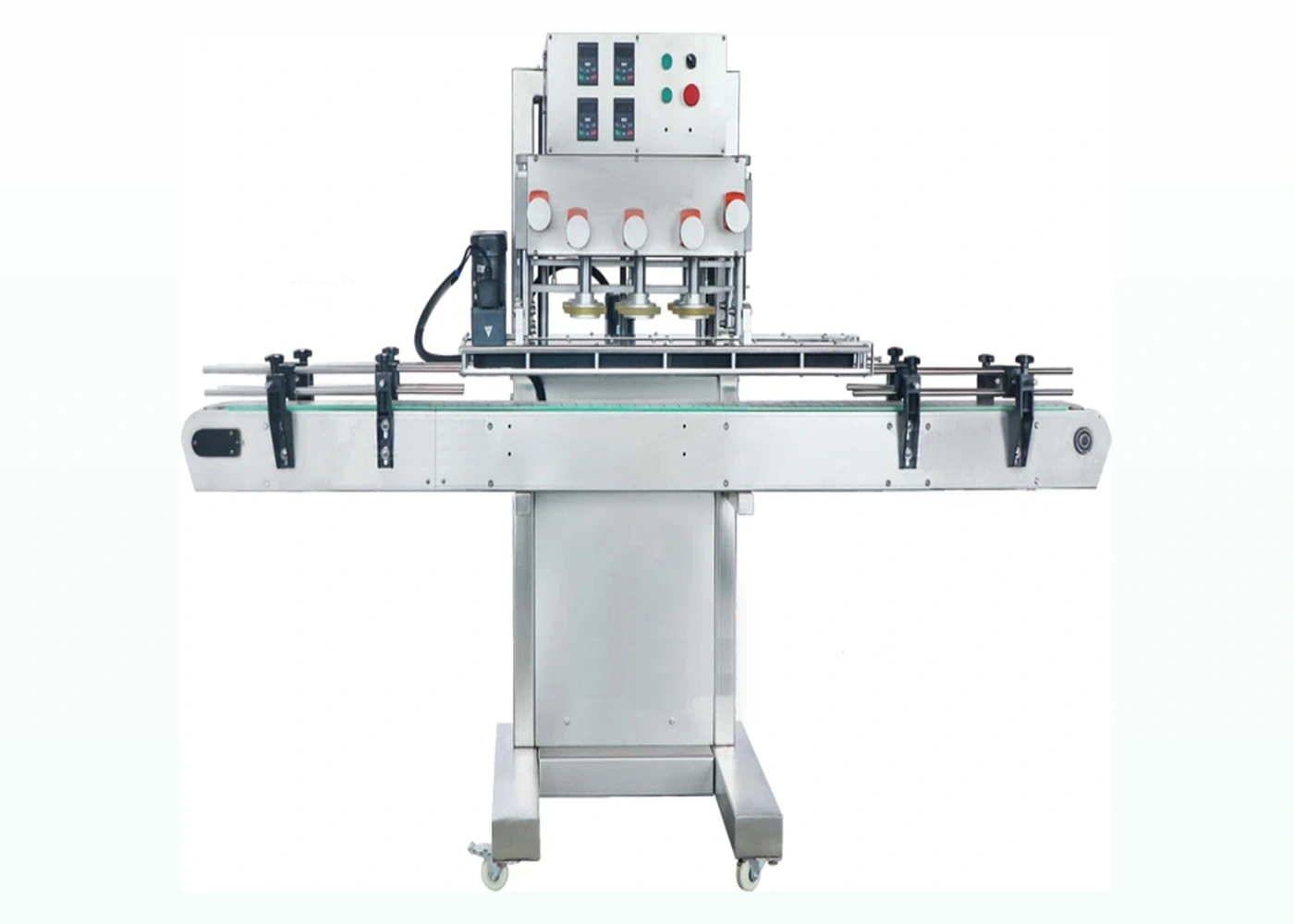
Small producers may prioritise flexibility, while repeat production can justify inline capping and automatic lid feeding.
Manual lid placement with controlled clamping and tightening for varied batches.
Explore this option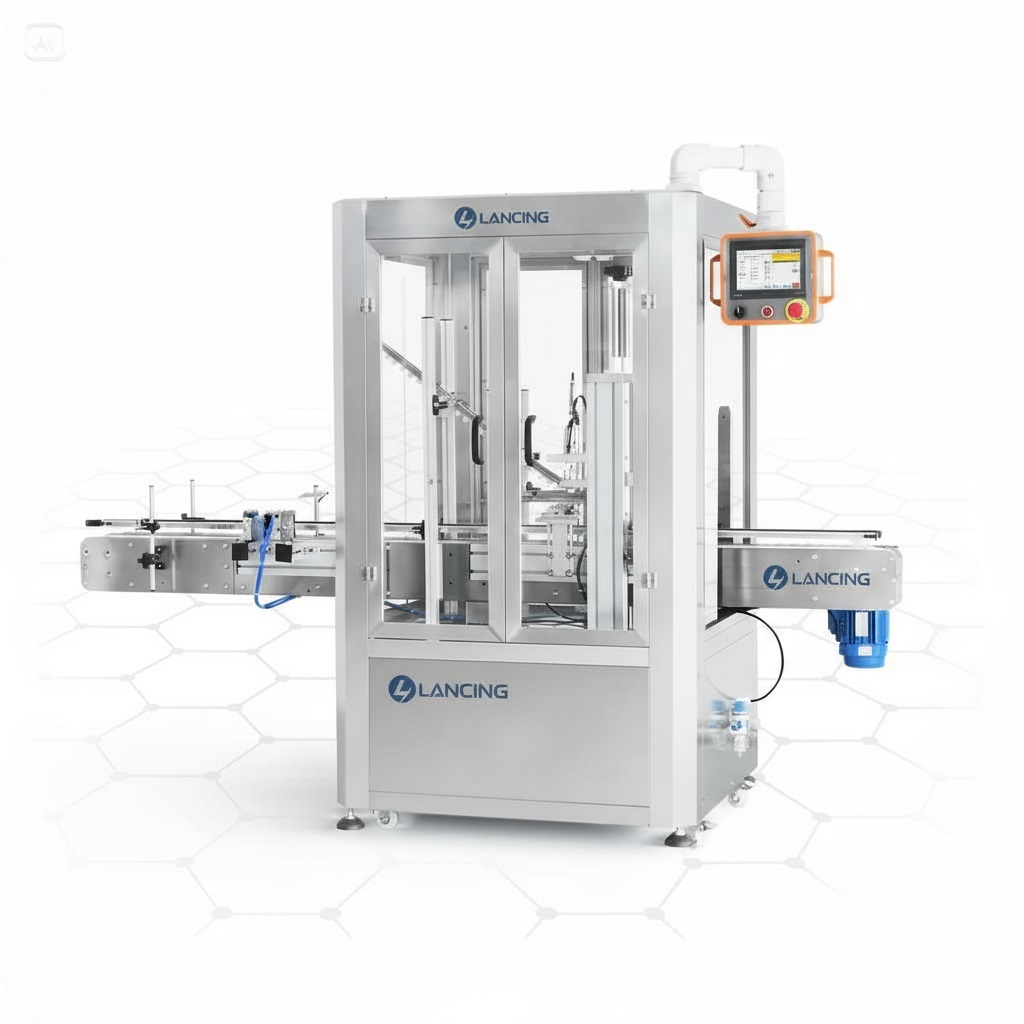
Inline screw-lid tightening for stable jars and an approved closure range.
Explore this option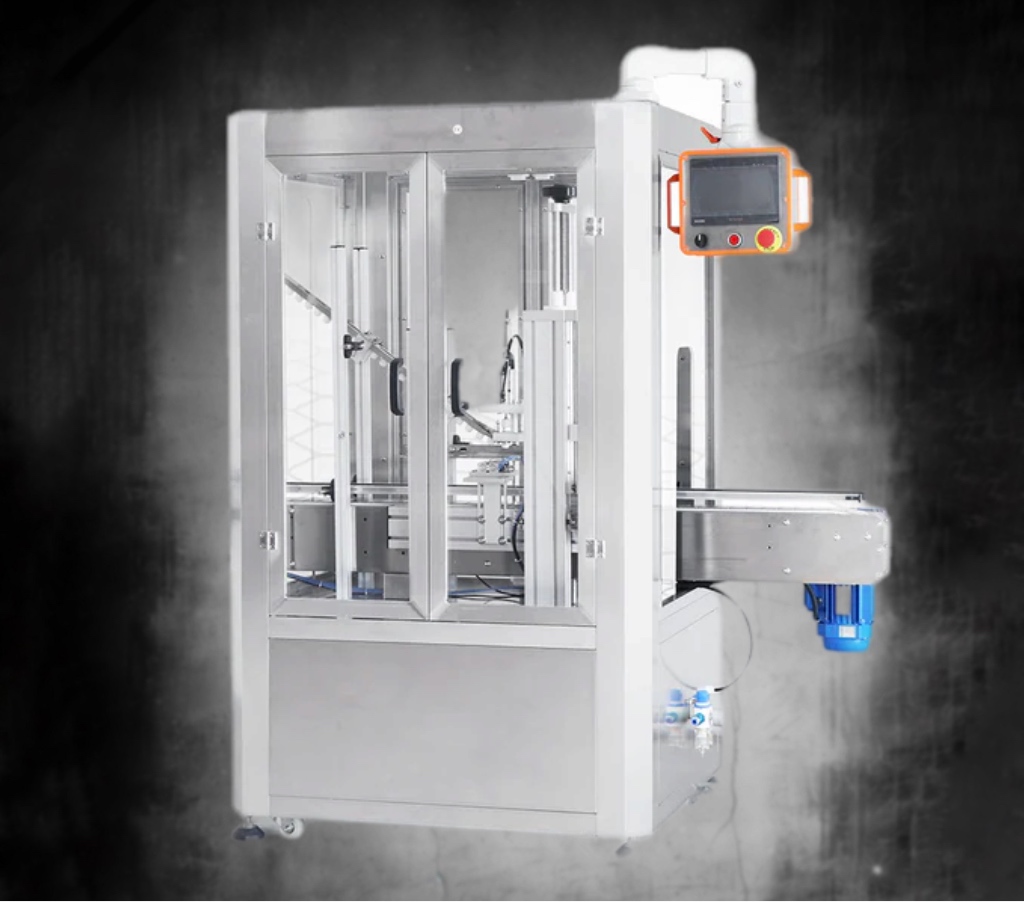
Assess bowl or elevator feeding when manual lid placement limits sustained output.
Explore this option| Control point | Why it matters | Useful evidence |
|---|---|---|
| Residue | Honey on the thread changes friction and can create leaks or difficult opening. | Visual standard and samples from normal filler operation. |
| Application torque | Too little can leak; too much can damage the lid, liner or jar thread. | Target window, instrument and test timing. |
| Jar support | A heavy filled jar still needs stable anti-rotation control. | Filled weight, diameter, shape and safe grip zone. |
| Opening performance | The consumer must be able to open the pack after storage. | Removal-torque checks after agreed conditioning. |
The packer remains responsible for product, process, hygiene and shelf-life validation.
Supply filled honey jars at normal production temperature, clean and deliberately difficult finishes, all lid variants and any tamper-band or liner components.
Include normal production samples rather than only hand-selected perfect components.
Where honey temperature varies between runs, include the expected range because viscosity and friction can affect filling and capping behaviour.
Possibly with approved settings and tooling, but the support pressure and torque response can differ. Filled samples should be tested.
Residue on threads, temperature-dependent viscosity, lid variation and jar finish variation can all change friction and final readings.
It can suit growing batch production when hand tightening has become inconsistent or tiring but a fully automatic line is not justified.
When a honey jar has an inconsistent closure result, record the condition of the finish before the lid is applied. Keep examples from normal running and from the moments after a stop or refill. This helps the review distinguish a closing issue from product deposited earlier in the line.
Describe where the jar waits between filling and capping and whether staff wipe, inspect or handle it during that transfer. If the proposed capper changes that sequence, include the revised sequence in the trial brief rather than assuming that a clean bench sample represents production.
They can support an early handling review, but they do not represent every condition of the filled honey pack.
Send the circumstances, format and observed sequence around the fault, not only a photograph of the final lid.
Send your jar, lid, product and target output. Lancing will help you identify a practical machine route and the samples needed for confirmation.